


Excellent Education Program
Criminal Law Process in Nevada
Is it possible to plead down to a lesser charge like reckless driving or something else? These are all questions that people who have been charged with drunk driving may ask themselves.


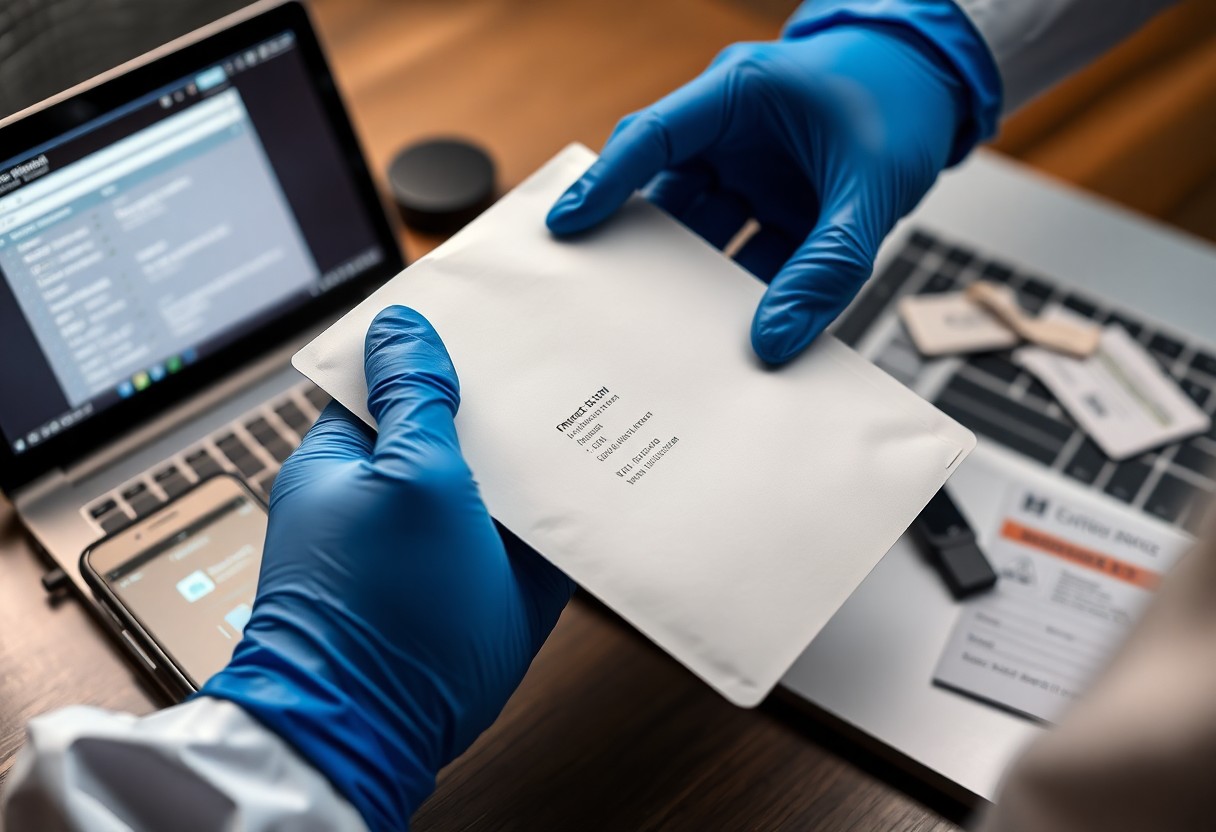
How Digital Evidence Is Used in Modern Criminal InvestigationsMay 23, 2026UncategorizedEvidence stored on smartphones, computers, and cloud services plays a central role in today’s criminal cases. You encounter digital traces every day, and law enforcement uses them to reconstruct events, verify alibis, and link suspects to crimes. Investigators follow strict protocols to collect and preserve this data so it holds up in court.
The Cold Geometry of Data
You see patterns where others see chaos-every log entry, timestamp, and metadata fragment forms a precise, unemotional map of digital behavior. This structured silence holds answers, revealing actions long after they occur.
Deciphering the Encrypted Whisper
You face encrypted communications daily, where meaning hides behind mathematical walls. Modern tools and legal authority allow selective access, turning silent code into spoken truth when keys are obtained or vulnerabilities lawfully exploited.
Mapping the Ghostly Path of GPS
You trace movements through invisible breadcrumbs left by smartphones and devices. Each GPS coordinate builds a timeline, placing a person exactly where the data says they were, regardless of their claim.
Location data doesn’t lie. You reconstruct journeys using satellite signals logged by apps, carriers, and operating systems, often confirming alibis or exposing deception. These digital footprints persist across backups and servers, creating a silent, continuous record of presence and motion that withstands scrutiny in court.
Echoes in the Social Sphere
You leave traces every time you post, like, or comment. Social media platforms capture more than content-they record behavior, connections, and timing. These digital footprints often reveal patterns invisible in person, offering investigators a window into relationships, motives, and movements tied to criminal activity.
Intent Hidden in Public Profiles
Your profile may seem harmless, but threats, boasts, or coded language can surface in plain sight. Investigators analyze word choice, imagery, and audience interaction to uncover intent. A single post, taken in context, might expose premeditation or affiliation with illicit acts.
The Unforgiving Clock of Metadata
Every upload, message, or check-in carries invisible timestamps. These metadata points form a precise timeline of your digital life. Even deleted content can leave behind traces that place you at a location or in communication at a critical moment.
Metadata doesn’t rely on your memory-it records facts. When you sent a photo, where your device was, what network you used, and even the software version are all logged. This silent data often contradicts alibis or confirms associations, making it one of the most reliable tools in digital forensics.
Household Spies and Smart Sentinels
Everyday devices now double as silent witnesses in criminal cases. Your smart speaker might recall a heated argument, while security cameras log comings and goings with precision. These tools, designed for convenience, often hold unexpected evidentiary value when law enforcement investigates a crime inside the home.
Domestic Alibis in the Cloud
You might not realize your thermostat can place you at home during a break-in across town. Cloud-stored data from smart appliances, lighting, and door locks creates a timeline of your movements. Prosecutors and defense teams now mine this information to confirm or challenge alibis with digital precision.
Biometric Rhythms of a Crime
Your wearable tracks more than steps-it records stress spikes, sleep disruptions, and sudden movements. When a crime occurs, investigators examine these biometric patterns to verify your account of events. Inconsistent heart rate data during a claimed alibi can raise serious questions.
Law enforcement agencies increasingly request data from fitness trackers and smartwatches during investigations. If you say you were asleep when a disturbance happened, but your device shows elevated heart rate and movement at that exact time, it could undermine your credibility. Courts are beginning to accept this biometric data as legitimate evidence, especially in domestic violence or assault cases where timing and physical state matter. Your body’s digital echo may speak louder than your words.
The Sanctity of the Virtual Ledger
Digital evidence forms an unbroken chain of data that mirrors the integrity of physical proof. You treat every file, log, and timestamp as part of a virtual ledger, where consistency and authenticity are non-negotiable. This ledger, when properly maintained, becomes the foundation of trust in digital investigations.
Preserving the Bitstream Image
You begin by creating a bitstream image, a complete sector-level copy of the original storage medium. This exact replica captures every byte, including deleted files and unallocated space. By working from this image, you ensure the source remains untouched and legally defensible throughout the investigation.
Shielding the Evidence from Alteration
You protect the bitstream image using cryptographic hashing and secure storage protocols. Any change, no matter how small, alters the hash value, immediately signaling tampering. This shield ensures the evidence you present holds up under scrutiny, maintaining its reliability from seizure to courtroom.
Hashing algorithms like SHA-256 generate unique digital fingerprints for your evidence files. You store these hashes alongside the bitstream image in a controlled environment, often with access logs and encryption. When you verify the hash at any point, a match confirms the data’s integrity, proving it hasn’t been modified since acquisition. This process is not optional-it’s your primary defense against claims of contamination or manipulation.
Shadows Across the Dark Network
You operate in a hidden layer of the internet where criminal activity thrives beyond standard surveillance. The dark network enables illicit trade, shielded by encryption and obscured routing. Yet even here, digital footprints persist. Investigators now deploy advanced tools to monitor traffic patterns, infiltrate marketplaces, and trace communications that believe they’re invisible to law enforcement.
Following the Path of Digital Currency
Transactions in cryptocurrency seem anonymous, but each move leaves a permanent record on the blockchain. You transfer funds through wallets and exchanges, unaware that forensic analysts map every hop. Law enforcement follows these trails, linking addresses to real-world identities through exchange logs, timing analysis, and behavioral patterns tied to known criminal behavior.
Stripping the Mask of Anonymity
Tools like Tor and encrypted apps promise secrecy, but human behavior creates leaks. You may mask your IP, but a single misstep-like logging into a personal account-exposes your identity. Investigators correlate timestamps, device fingerprints, and metadata to dismantle the illusion of invisibility, turning operational security gaps into breakthroughs.
Every layer of anonymity relies on perfect execution, and you rarely achieve it. Forensic experts exploit minor inconsistencies: a reused username, a mismatched time zone, or a device that briefly connects without a VPN. These fragments, when combined with data from seized devices or cooperating informants, reconstruct your true identity. The mask slips not because the technology fails, but because behavior betrays it.
The Gavel and the Firewall
Courts now routinely weigh digital privacy against investigative necessity. You face a legal system adapting to rapid technological change, where warrants extend beyond physical spaces into encrypted devices and cloud storage. Judicial decisions shape how evidence is collected, ensuring procedures align with constitutional protections while allowing law enforcement to pursue leads in an increasingly digital world.
Legal Reaches into Private Servers
Law enforcement may access your private servers with a valid warrant, but the process isn’t automatic. Courts examine the scope of the request, ensuring it doesn’t amount to a fishing expedition. You retain Fourth Amendment expectations, even in digital environments, and judges act as gatekeepers to prevent overreach.
Constitutional Limits on Bio-Unlocking
Your body isn’t a key the state can demand at will. Courts have ruled that forcing you to unlock a device using fingerprints or facial recognition may violate the Fifth Amendment’s protection against self-incrimination. The line between physical traits and testimonial evidence remains under legal scrutiny.
Biometric data presents a unique legal challenge because it blurs the line between physical characteristics and compelled testimony. While courts have allowed fingerprint unlocks in some cases, they often distinguish between providing a fingerprint-seen as a physical act-and entering a passcode, which is considered testimonial. You are not required to assist in your own incrimination, and judges are increasingly cautious about allowing law enforcement to exploit biometrics as a backdoor to digital privacy. Precedents continue to evolve as technology outpaces existing legal frameworks.
Final Words
Presently, digital evidence shapes how you understand and resolve criminal cases. Your devices leave traces-messages, locations, timestamps-that investigators analyze to reconstruct events. Courts accept this data when properly collected, making it a standard part of modern prosecution. You rely on its accuracy, and so does the justice system, every time a case turns on what a phone, drive, or server reveals. […]
Read more…
What Happens If You Are Charged with Obstruction in NevadaMay 22, 2026UncategorizedYou may face serious legal consequences if charged with obstruction in Nevada. Law enforcement takes interference with an officer seriously, whether through physical resistance or withholding information. Convictions can result in fines, jail time, or both, depending on the circumstances. Your actions during a police encounter directly impact the outcome of your case.
The Nevada Obstruction Statute
You face charges under Nevada Revised Statute 199.160 if you knowingly obstruct, delay, or impede a public officer in the performance of their duties. This law applies even if the officer was acting within their authority. Your actions, whether physical interference or intentional interference through deception, can form the basis of an obstruction charge.
Immediate Consequences of Arrest
You will likely be taken into custody at the scene if charged with obstruction in Nevada. Police may detain you without a warrant when they observe behavior they interpret as interfering with law enforcement duties. Your personal belongings could be searched and inventoried, and you’ll be transported to a local jail for booking. This process includes fingerprinting, photographing, and holding you until arraignment, which typically occurs within 48 hours.
Misdemeanor Penalties and Fines
You face up to six months in jail if convicted of misdemeanor obstruction in Nevada. Fines can reach $1,000, and the court may impose both penalties. Your case could also include probation or community service. A conviction stays on your record, affecting future employment and opportunities. Judges consider the circumstances and your history when deciding your sentence.
Defense Strategies Against the Charge
You may challenge the prosecution’s evidence by showing you didn’t knowingly interfere with law enforcement. Officers must be performing a legal duty for obstruction to apply, so if their actions were outside legal boundaries, your conduct can’t meet the elements of the crime. Your attorney might argue you remained passive or simply refused to comply, which isn’t automatically obstruction under Nevada law.
Long-term Impact on Records
Your obstruction charge remains on your criminal record unless expunged, affecting future opportunities. Employers conducting background checks may view the charge unfavorably, even if you were not convicted. Licensing boards and educational institutions can access this information, potentially limiting professional or academic advancement. A conviction makes record sealing more difficult and extends waiting periods. You carry the consequences long after the case ends.
Conclusion
You face serious penalties if charged with obstruction in Nevada, including fines, jail time, and a criminal record. Law enforcement takes interference with official duties seriously, and the courts enforce the law strictly. Your actions during an encounter with an officer can directly impact the outcome of your case. Legal representation is necessary to protect your rights and challenge the charge effectively. […]
Read more…
How Self-Defense Claims Are Evaluated in Criminal CasesMay 21, 2026UncategorizedMost self-defense claims hinge on whether your actions were reasonable under the threat you faced. You must show you believed force was necessary to prevent imminent harm. Courts examine the situation as a whole, including the attacker’s behavior, your response, and whether you could have safely retreated.
The Anatomy of Fear
Fear shapes your perception in high-stakes moments, altering how you interpret threats. Your body reacts before your mind fully processes the danger, triggering instinctive responses. Courts examine whether your fear was reasonable under the circumstances, not whether it was objectively accurate. What matters is what you believed at that instant-and whether a reasonable person in your position would have acted the same.
The Calculus of Violence
You assess the level of force used in relation to the threat faced. Courts examine whether your response matched the danger in type and degree. A punch in response to a shove may be defensible; a firearm used after a verbal insult rarely is. Proportionality defines the boundary between protection and punishment.
The Geography of Survival
You carry your environment with you in every self-defense claim. The place where an encounter happens-whether a dimly lit parking lot, a crowded sidewalk, or your own home-shapes what a court views as reasonable fear. Jurors consider not just what you did, but where you did it, because danger presents differently in rural isolation than in urban density. Your surroundings inform whether retreat was possible or if standing your ground was the only viable choice.
The Burden of the First Word
Initiating the Claim
You must speak first when asserting self-defense, and that initial statement shapes the entire case. The moment you describe the threat, your words become the foundation investigators and prosecutors examine. Silence delays the narrative, often to your disadvantage. What you say right after the incident carries weight-too much detail may raise doubts, too little may seem evasive. Your account must be clear, consistent, and grounded in immediate perception.
The Jury’s Cold Eye
They watch your every move when you take the stand-your tone, your pauses, the way you hold your hands. The jury weighs your story not just for logic, but for authenticity. You’re not just explaining fear; you must make them feel it. Their judgment hinges on whether your actions match what they believe a reasonable person would do under fire.
Conclusion
From above, you see that self-defense claims are assessed based on reasonableness, immediacy, and proportionality of force. Courts examine your actions through an objective standard, weighing the threat you faced. Your belief in danger must be both genuine and one that a reasonable person would share under similar circumstances. […]
Read more…
What to Know About Bench Warrants in Las Vegas CourtsMay 20, 2026UncategorizedWarrants issued by Las Vegas judges for missed court appearances or failure to comply with court orders carry serious consequences. You can be arrested at any time, and fines or jail time may follow. Knowing how bench warrants work, how to check for one, and what steps to take if one exists helps you address the situation quickly and responsibly.
The Sudden Snare of the Bench Warrant
You never see it coming-until it’s already caught you. A bench warrant drops silently into the system, turning an ordinary traffic stop or routine check into a trip to jail. It’s not a warning; it’s an order for your immediate arrest, issued when the court believes you’ve ignored its authority.
Missing the Date with Destiny
Life gets busy, and court dates slip through the cracks. Maybe you forgot, moved, or thought the matter was resolved. But in Las Vegas courts, failing to appear as ordered triggers an automatic response. The judge doesn’t wait-they issue a bench warrant, and now the system is looking for you.
Contempt Beneath the Desert Sun
The judge sees your absence as disrespect. In Nevada, skipping court can be treated as contempt, especially if you had notice. This isn’t just about being late-it’s about defying the court’s authority, and the desert sun shines no mercy on those who test it.
Contempt charges stem from willful disregard of court orders, and judges in Las Vegas take them seriously. If you failed to appear without a valid excuse, the court may view it as intentional defiance. Penalties can include fines, jail time, or both, depending on the underlying case and your history. Clearing this requires a proactive approach-contacting your attorney or appearing in court to explain your absence may reduce consequences, but delay only deepens the problem.
The Grinding Gears of Clark County
Clark County’s court system runs on volume, and bench warrants keep the machinery moving. You might not realize how fast a missed hearing turns into a warrant, but judges here act quickly when someone fails to appear. The system expects compliance, and it rarely waits.
The Judge’s Pen as a Weapon
A judge signs bench warrants without warning when you skip a court date. This isn’t a formality-it’s an immediate legal consequence. Once that pen hits paper, you’re no longer just late; you’re wanted by the court, and law enforcement has the authority to bring you in.
Police Scanners and Midnight Stops
Officers in Las Vegas routinely check license plates and IDs against active warrants. A routine traffic stop at night could turn into an arrest if your name appears in the system. You never know when a scanner alert will lead to your name flashing on a dashboard screen.
Police departments across the valley sync their databases with real-time warrant lists, making it easier to catch individuals during routine patrols. Even a minor violation like a broken taillight can trigger a deeper check, and if there’s an active bench warrant, you’ll be taken into custody immediately-often before you reach home.
The High Price of Freedom
Freedom after a bench warrant isn’t free. You’ll face immediate financial demands if the court allows bail. The amount varies based on the original charge, your history, and the judge’s discretion. Missing your date comes at a steep cost-both legally and financially.
Bail Bonds and Blood Money
Bail bondsmen advertise quick fixes, but their fees are nonrefundable. You pay a percentage-usually 10%-to secure release. That money vanishes regardless of outcome. Some agencies pressure families into agreements they don’t understand. Treat every signature as binding.
Legal Fees in the Neon Jungle
Court appearances cost more than bail. Lawyers in Las Vegas charge premium rates, especially for last-minute bench warrant cases. Your defense strategy depends on counsel you can afford-public defenders are overburdened, and private attorneys add up fast.
Legal representation in Las Vegas isn’t one-size-fits-all. Private attorneys may charge retainer fees starting at $2,500 for basic bench warrant resolution, with more complex cases climbing into five figures. Even if your case seems minor, appearances, filings, and negotiations demand time-and time is what drives up the bill. Choosing between a public defender and private counsel shapes your experience, timeline, and outcome.
Scrubbing the Sin from the Record
You can clear a bench warrant in Las Vegas by addressing it directly through the court. Judges understand that life happens, and many are willing to dismiss the warrant if you show up with legal representation and a valid reason for your absence. Acting fast improves your chances of resolving the matter without arrest.
Filing the Motion to Quash
Filing the motion to quash stops the warrant before it leads to arrest. You or your attorney must submit the request to the same court that issued the warrant, explaining why your absence was justified. The judge will review your reasoning and decide whether to cancel the warrant.
Facing the Gavel Once More
Facing the gavel once more means appearing in court to answer for your missed date. This hearing isn’t automatically punitive-many judges will accept your explanation if it’s reasonable and supported by evidence. Your demeanor and preparation can shape the outcome.
When you return to court after a bench warrant, the judge has full discretion. They may accept your apology, reschedule your case, or impose penalties like fines or short jail time. Having an attorney present increases the likelihood of a favorable resolution, especially if you demonstrate responsibility and a clear plan moving forward.
Living with the Ghost of Arrest
Everyday life takes on a different weight when a bench warrant hangs over you. You’re not locked up, but freedom feels conditional. That unresolved court date becomes a silent presence, shaping choices, timing, and even where you go. The system sees you as absent, but you’re very much aware-living just one traffic stop away from custody.
Background Checks and Paranoia
Running a background check can feel like opening a trapdoor. Most standard screenings won’t reveal active warrants, but law enforcement databases do. You never know when a routine verification-during housing applications or licensing-might trigger a flag. That uncertainty breeds constant vigilance, turning ordinary errands into high-stakes moments.
Job Hunts in the Shadow of Jail
Applying for work becomes a gamble when a bench warrant is active. Employers don’t usually access warrant records, but honesty can backfire if you disclose legal issues. The fear of a surprise arrest during a background verification or even on the way to an interview adds stress to every application. You’re qualified, ready, and present-yet one court slip could derail it all.
Many employers in Las Vegas rely on third-party background firms that focus on convictions, not pending warrants. However, certain industries-especially those requiring licenses or government contracts-may dig deeper. If your warrant stems from a missed court date related to a misdemeanor like unpaid fines or traffic violations, it may not show up immediately. But if law enforcement is involved in the hiring process, such as with security or driving roles, the risk increases. You’re not barred by law from working, but the hidden threat of arrest can delay start dates or disqualify you if discovered mid-hire. Clearing the warrant before submitting applications removes the shadow and gives you a fair shot.
Enlisting the Legal Mercenaries
You don’t have to face the system alone. In Las Vegas, experienced defense attorneys act as your frontline defense when a bench warrant is active. These professionals understand courtroom dynamics and know how to reduce risks quickly. Hiring skilled representation may prevent arrest and buy time to resolve the underlying issue.
Finding a Guide Through the Maze
Choosing the right attorney starts with verifying their experience in Clark County courts. Look for someone who regularly handles bench warrant quashings and has a track record of favorable outcomes. You need clear communication and someone who won’t disappear when deadlines approach. Trust your instincts during the first consultation.
Strategies for the Courtroom Scuffle
Presenting a strong defense begins with preparation. Your attorney should anticipate the judge’s concerns and address them before they become obstacles. Demonstrating accountability, offering proof of changed circumstances, or showing compliance efforts can shift the outcome. Judges respond to credibility, not excuses.
Success in court often hinges on timing and tone. Your lawyer might file a motion to quash before the hearing, reducing the chance of immediate arrest. If you must appear, dressing appropriately and speaking only when instructed shows respect for the process. The goal is to convince the judge you’re taking the matter seriously, not evading responsibility. A well-timed apology, backed by action, can go further than legal technicalities alone.
Summing up
Upon reflecting on bench warrants in Las Vegas courts, you understand they are issued when someone fails to appear in court as required. You face immediate arrest and potential fines or jail time if one is active. You must act quickly by contacting a lawyer or turning yourself in to resolve the matter efficiently and lawfully. […]
Read more…

How Bail Works in Nevada and What to ExpectMay 19, 2026UncategorizedBail sets the amount you must pay to be released from jail after an arrest in Nevada. You will face either a set bail amount or a hearing to determine one. The court considers your charges, criminal history, and flight risk. You can pay in full, use a bail bond, or request release on your own recognizance.
The Intake Ritual
You’ll be photographed, fingerprinted, and searched after arrest. Officers record your personal details and the charges you face during this process. Your belongings are inventoried and stored until release. This booking procedure ensures accurate identification and helps maintain jail security. Processing times vary, but it usually takes several hours to complete.
The Price of the Cage
You face a bail amount set by the court based on the severity of the charge, your criminal history, and flight risk. This figure isn’t arbitrary-it reflects Nevada’s legal standards for pretrial release. If you can’t pay, you remain in custody until your court date, which could stretch from days to months depending on the case. Your freedom hinges on this financial threshold, making timely legal help crucial.
The Bondsman Deal
You sign a contract with a bail bondsman when you can’t pay the full bail amount. They post the bond in exchange for a non-refundable fee, usually 15% of the total bail. You’re responsible for all court appearances, and failure to show up means the bondsman can pursue you for the full amount. Collateral like property or assets may be required to secure the agreement.
The Leash of the Law
You remain under court supervision once bail is set, and that leash tightens with every missed obligation. Conditions like travel restrictions, check-ins, or drug testing bind you to compliance. Breaking any term risks immediate revocation, sending you straight back to jail. Your freedom hinges on following the rules exactly as ordered-no exceptions.
The Cost of Running
You might face financial consequences if you fail to appear after posting bail. Skipping court doesn’t erase your obligation-it multiplies it. The court keeps the full bail amount, and collection agencies may pursue you for the balance if a bondsman was involved. Warrants are issued, and future arrests could mean higher bail or no bail at all. Your choices now directly impact your freedom and finances later.
Summing up
Presently, you face the bail process in Nevada with clear steps ahead. You post bail through cash, bond, or property to secure release. The court sets the amount based on charges, criminal history, and flight risk. Attend all hearings, or risk forfeiture. Conditions may apply, and a bail agent can help if funds are limited. […]
Read more…

How Social Media Activity Can Affect Criminal Defense CasesMay 19, 2026UncategorizedIt’s common for your social media posts to become evidence in a criminal case. Anything you’ve shared publicly-or even privately-can be retrieved and used by prosecutors. Your photos, check-ins, messages, or deleted content may contradict your defense. Being mindful of what you post during legal proceedings protects your rights and strengthens your case.
The Digital Paper Trail
Your social media posts create a permanent record that can resurface at critical moments. Even deleted content may exist in cached versions or through screenshots others have saved. Prosecutors often review these records to challenge your credibility or reconstruct timelines. Every comment, photo, or check-in adds to a narrative that could work against you in court.
Prosecution Tactics
You may not realize how quickly a casual social media post becomes evidence. Prosecutors routinely mine platforms for photos, messages, or check-ins that contradict your defense. A single comment can be twisted to suggest guilt or intent. They don’t need your entire history-just one post that fits their narrative. Your digital footprint is fair game.
Jury Perception
You may not realize how quickly a juror can form an opinion about your character based on a single social media post. Jurors often bring subconscious biases shaped by what they’ve seen online, even if they’re instructed to ignore outside information. A photo, comment, or check-in could be taken out of context and influence their judgment. Your digital footprint becomes part of the narrative in court, whether you intend it or not.
Defense Strategy
Your defense strategy may shift dramatically when social media content surfaces in a criminal case. Prosecutors often mine online activity for statements or images that contradict your account. You must assume anything posted publicly can be used against you. A skilled attorney will scrutinize timelines, geotags, and connections to challenge the accuracy or context of such evidence, turning potential liabilities into opportunities for reasonable doubt.
The Permanent Record
Your past posts live far beyond the moment you hit share. Even deleted content can resurface through screenshots or cached data. Prosecutors often mine old profiles for statements that contradict your defense. A joke, photo, or comment from years ago might be taken out of context. You never know which digital footprint could become evidence.
Final Words
Hence your social media activity can shape the outcome of a criminal defense case. Posts, photos, and comments may be used as evidence, altering perceptions of credibility or intent. What you share online is accessible to prosecutors, investigators, and opposing counsel. Your digital footprint matters-what seems harmless can carry legal weight. Think carefully before posting when facing legal challenges. […]
Read more…
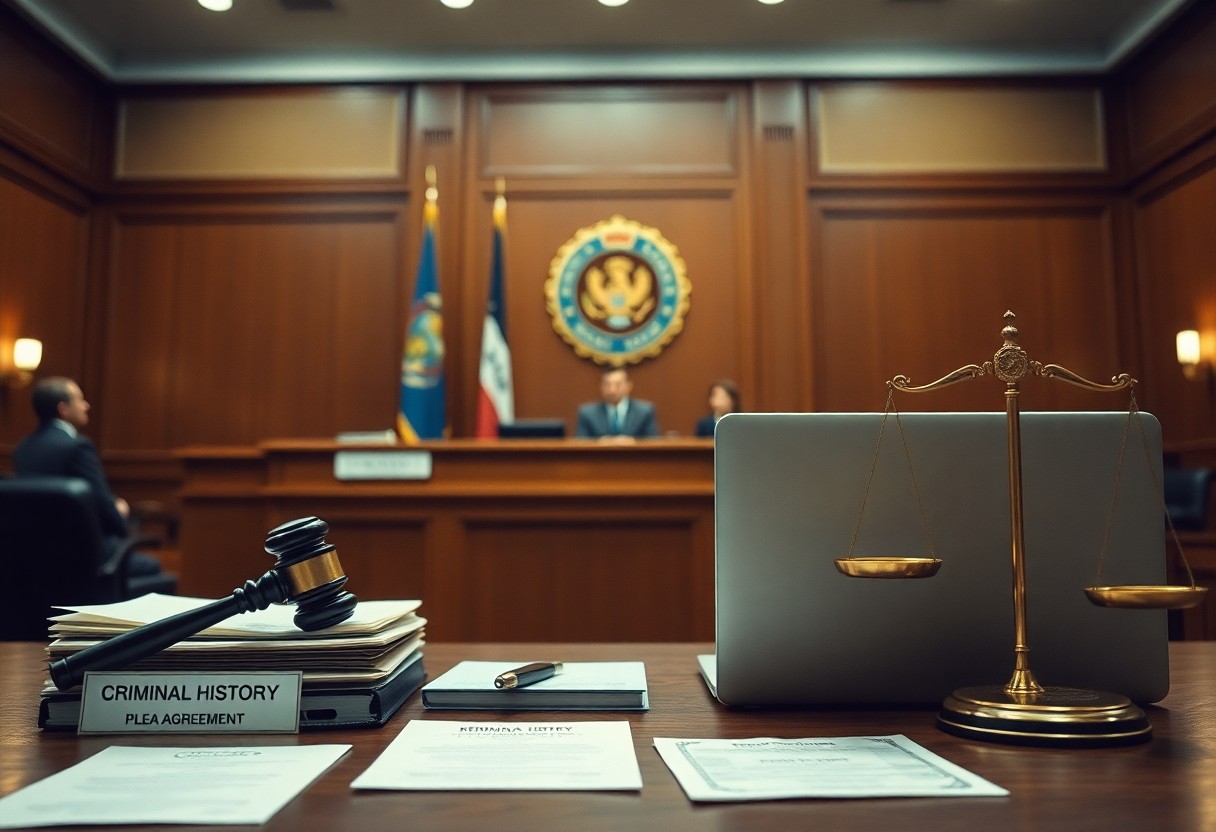
What Factors Influence Sentencing in Nevada Criminal CourtsMay 18, 2026UncategorizedJust because you’re convicted doesn’t mean your sentence is predetermined. Your outcome depends on the crime’s severity, your criminal history, whether harm occurred, and how you present in court. Nevada judges weigh these elements within statutory guidelines to determine fair, lawful penalties.
The Weight of the Sin
You face sentencing not just for the act itself, but for how severely it disrupted order and safety. Nevada courts measure the gravity of your crime by its impact-on victims, communities, and public trust. A violent offense weighs more than a nonviolent one. The extent of harm, intent behind the act, and whether a weapon was involved all shape how heavily the court views your actions.
The Ghost of Past Deeds
Your prior criminal record weighs heavily when Nevada judges determine your sentence. Past convictions, especially for similar offenses, often lead to harsher penalties under state sentencing guidelines. The court views repeat behavior as a sign of ongoing disregard for the law. Even old or minor offenses can resurface to influence outcomes. You’re not just being sentenced for the current crime-history shapes the judge’s perception of your risk to society.
The Salt in the Wound
You feel the sting when a prior conviction resurfaces at sentencing, amplifying the penalty for your current charge. Nevada courts consider your criminal history as a measure of repeat behavior, and each past offense can extend your sentence. Even old misdemeanor convictions may be used to justify harsher punishment, especially if they mirror the current charge. This accumulation doesn’t just reflect past mistakes-it actively shapes your present outcome.
The Search for Mercy
Personal Circumstances Matter
You bring your full history into the courtroom, not just the crime. Judges consider your background, mental health, and life struggles when deciding whether compassion has a place in your sentence.
The Black Robe’s Whim
You may wonder how two similar cases result in vastly different sentences. Judicial discretion plays a role, and while guidelines exist, each judge brings personal interpretation to the bench. Your outcome can hinge on a judge’s view of remorse, deterrence, or public safety-factors not always predictable. This human element means consistency isn’t guaranteed, even under the same law.
The Iron Rules of the State
Mandatory Minimums and Sentencing Enhancements
You face fixed penalties for certain crimes under Nevada’s mandatory minimum laws. A prior conviction can double your sentence under the state’s habitual offender statute. Possession of a firearm during a violent crime adds years to your prison term. Judges have little leeway once these rules apply. Your actions trigger automatic consequences defined by statute.
Conclusion
Drawing together the factors that shape sentencing in Nevada criminal courts, you see how offense severity, criminal history, and judicial discretion directly impact outcomes. Mandatory minimums, victim impact statements, and plea agreements also influence the final decision. Your understanding of these elements clarifies how justice is applied in practice across the state. […]
Read more…
Can Criminal Charges Be Dropped Before Trial in Las Vegas?May 18, 2026UncategorizedTrial isn’t the only outcome in a criminal case-charges can be dropped before it ever reaches that stage. You have options, and understanding how prosecutors, evidence, and legal strategy influence the process helps you make informed decisions. In Las Vegas, several factors may lead to dismissed charges, and your attorney plays a key role in pursuing that result.
The District Attorney’s Iron Grip
You face an uphill battle when the District Attorney refuses to yield. In Las Vegas, prosecutors hold immense discretion-they decide whether charges move forward or vanish. Their office controls the fate of your case long before a jury is ever seated, often weighing political pressure, public perception, and resource allocation in their decisions.
Evidentiary Black Holes
Evidence can disappear or fail to meet legal standards, leaving prosecutors with an empty case. You might benefit if key witnesses recant, forensic reports go missing, or police fail to follow protocol. These gaps can force the DA to drop charges simply because they can’t meet their burden at trial.
Procedural Nightmares
Court deadlines, filing errors, or violations of your rights during arrest can derail a case. You may not realize it, but missteps by law enforcement or the prosecution can invalidate evidence or even prompt a judge to dismiss charges outright.
Procedural errors aren’t just technicalities-they can be case killers. If police lacked probable cause for your arrest or failed to read you your rights, any evidence obtained afterward could be suppressed. Missed discovery deadlines, improper charging documents, or violations of Nevada’s speedy trial rules also give your attorney solid grounds to push for dismissal. You stand a real chance of walking free when the system fails to follow its own rules.
The Art of the Backroom Deal
Prosecutors and defense attorneys often resolve cases without a public trial. You benefit when both sides agree on a resolution that avoids courtroom uncertainty. These discussions happen privately, guided by evidence strength, case details, and your legal standing. A skilled attorney can use this process to your advantage.
Negotiated Dismissals
You may avoid trial entirely if your lawyer secures a negotiated dismissal. This happens when prosecutors agree to drop charges in exchange for meeting specific conditions, such as completing community service or attending counseling. Your cooperation and clean record often strengthen your position in these talks.
Mitigation Tactics
You can reduce the likelihood of facing trial by presenting compelling reasons to dismiss your case. Demonstrating remorse, correcting harmful behavior, or showing strong community ties influences prosecutorial discretion. These actions don’t excuse the alleged conduct but help frame you as low-risk and rehabilitated.
Presenting documentation of completed treatment programs, employment records, or character letters gives prosecutors tangible reasons to drop charges. You’re not just arguing legal technicalities-you’re showing real change. Judges and prosecutors respond to evidence of personal accountability, especially in first-time or nonviolent cases. Your attorney can package these efforts into a persuasive mitigation package submitted before formal charges are filed or during pretrial negotiations.
The Preliminary Hearing Gauntlet
You face a critical early test when the prosecution must show probable cause that a crime occurred and you were involved. This hearing isn’t about proving guilt, but about determining whether the case moves forward. Your attorney can challenge the strength of the evidence and question witnesses, creating opportunities to expose weaknesses before trial.
Challenging Probable Cause
Probable cause may seem straightforward, but it’s often built on shaky assumptions or incomplete facts. You can force the prosecution to justify each element of their claim, and if they can’t meet the legal threshold, the judge may dismiss the charges. A well-targeted argument here can stop the case in its tracks.
Dismantling Witness Testimony
Witnesses can make or break a case, but their accounts aren’t always reliable. You can expose inconsistencies, biases, or ulterior motives during cross-examination. When testimony unravels under scrutiny, the entire foundation of probable cause may collapse, giving the court reason to drop charges.
Every witness brings a perspective shaped by memory, emotion, and sometimes personal interest. You have the right to investigate their background, prior statements, and potential incentives to testify. When contradictions emerge-like a witness changing their story or failing to recall key details-your attorney can use those gaps to challenge credibility. Judges pay close attention to reliability, and repeated discrepancies may lead them to question whether the prosecution truly has enough to proceed.
Diversionary Escapes
You may qualify for a pretrial diversion program if this is your first offense and the charges are non-violent. These programs allow you to complete specific requirements like counseling or community service. Upon successful completion, the prosecutor agrees to drop the charges before trial, keeping your record clean.
Specialty Court Circuits
You can enter one of Las Vegas’s specialty courts, such as drug or mental health court, if your case involves underlying personal struggles. These courts focus on rehabilitation over punishment. Meeting all program conditions often leads to dismissed charges.
Restitution as Redemption
You have the chance to make things right by paying restitution to the victim. When you take this step early, prosecutors may see your accountability as grounds to drop charges. It’s not guaranteed, but it shows a willingness to repair harm.
Offering restitution demonstrates responsibility in a way that facts alone cannot. You’re not just waiting for a court date-you’re actively resolving the damage caused. Judges and prosecutors in Las Vegas often view this gesture favorably, especially in theft, fraud, or property cases. When you pay what’s owed promptly and verify it through official channels, you strengthen your position for charge dismissal.
Constitutional Firewalls
Every defendant in Las Vegas has constitutional protections that can lead to criminal charges being dropped before trial. These safeguards ensure fairness and legality throughout the process. When law enforcement or prosecutors overstep, the courts have tools to correct the imbalance. Your rights are not just theoretical-they can shape the outcome of your case.
Fourth Amendment Violations
You’re protected from unreasonable searches and seizures under the Fourth Amendment. If police gather evidence without a valid warrant or probable cause, that evidence may be suppressed. When key proof is thrown out, prosecutors might no longer have a viable case. This often leads to charges being dismissed before trial.
Due Process Failures
Your right to due process means the state must follow fair procedures at every stage. Deliberate delays, lost evidence, or withheld information from the defense can violate this principle. When the system fails to act fairly, judges may drop charges to uphold constitutional integrity.
Due process isn’t just about timely trials-it’s about transparency and accountability. If the prosecution withholds exculpatory evidence, known as a Brady violation, it undermines your ability to defend yourself. Courts take this seriously, and repeated or intentional failures can result in dismissal. You’re entitled to a level playing field, and when the state denies it, the consequences for the case can be decisive.
To wrap up
Upon reflecting on your case, you can see that criminal charges in Las Vegas may be dropped before trial through prosecutorial discretion, lack of evidence, or successful defense motions. You have options, and the outcome often depends on the specific facts and legal strategy applied early in the process. […]
Read more…

How Prosecutors Build Criminal Cases Against DefendantsMay 17, 2026UncategorizedOver months or even years, prosecutors gather evidence, interview witnesses, and work with law enforcement to construct a case against you. They rely on physical proof, expert testimony, and legal precedents to prove guilt beyond a reasonable doubt. Your actions, statements, and digital footprint may all become part of their strategy.
The Initial Harvest of Facts
You begin where the crime did-with the raw, unfiltered details collected in the earliest moments. Police reports, witness statements, and emergency calls form the foundation of what will become the prosecution’s narrative. Every word recorded at the scene carries weight, shaping how events are later interpreted in court.
Scrutinizing the First Response Records
You examine the initial police reports with precision, knowing they capture the first version of events. Dispatch logs, officer observations, and early witness accounts often reveal inconsistencies or overlooked clues. These documents set the tone for the investigation and can make or break the case’s credibility.
Preserving the Cold Reality of the Crime Scene
You rely on photographs, videos, and detailed logs to maintain an unaltered view of the scene. These records freeze the environment exactly as officers found it-blood spatter, broken glass, personal items out of place. This visual truth becomes a silent but powerful witness in court.
Preserving the cold reality of the scene means more than just taking pictures. You secure physical evidence under strict chain-of-custody rules, ensuring nothing is contaminated or lost. Forensic teams measure distances, collect trace materials, and document environmental conditions, all to recreate the moment with scientific accuracy. This meticulous process denies the defense any claim that evidence was manipulated or misinterpreted.
The Alchemy of Forensic Proof
You see science transformed into testimony when forensic experts turn trace evidence into courtroom narratives. Every fiber, fingerprint, or chemical reading undergoes rigorous analysis, shaping invisible details into persuasive facts. Prosecutors rely on this alchemy to link you to a crime scene or weapon, turning biological whispers into loud declarations of guilt.
Translating Laboratory Data into Guilt
Data from a lab report only gains meaning when an expert explains it in human terms. You hear precise measurements framed as certainty-“the DNA profile matches you with a one-in-a-billion chance of error.” This translation turns abstract numbers into a story the jury believes, making science feel personal and inescapable.
The Sacred Chain of Evidence Possession
Custody logs track every hand that touches a blood-stained shirt or a seized phone. You can challenge a case if a single transfer lacks documentation, because gaps cast doubt on whether evidence was altered. Prosecutors guard this chain fiercely-it’s the backbone of trust in forensic claims.
Each person who handles evidence signs a form noting the date, time, and purpose of access. From the officer at the scene to the forensic technician running tests, accountability is mandatory. You benefit from knowing this process isn’t casual-it’s structured to prevent tampering and preserve integrity. When the chain holds, the jury sees reliability. When it breaks, reasonable doubt takes root.
The Human Element of the Accusation
People shape the backbone of any criminal case. You rely on their words, memories, and willingness to step forward. Witnesses, victims, and informants carry weight that physical evidence alone cannot. Their credibility, demeanor, and consistency under scrutiny often determine the direction of your argument in court.
Cultivating the Testimony of Bystanders
Witnesses at the scene may hold overlooked details. You approach them with care, knowing their perception can shift under pressure. A calm interview, clear timeline, and open-ended questions help preserve accuracy. Their account, when consistent, adds texture and context no surveillance camera can capture.
The Delicate Handling of the Informant
Informants operate in shadows, and their cooperation comes with risks. You assess their motives, credibility, and potential biases before placing trust. Protecting their identity while verifying their information is part of your strategy. Their testimony can open doors-but only if handled with precision.
Working with an informant demands constant judgment. You know they may seek reduced charges, money, or personal leverage, so you cross-check every claim. Building rapport doesn’t mean blind acceptance; it means listening closely, documenting every interaction, and preparing for challenges to their reliability on the stand. Their value lies not in their story alone, but in how well you can defend it.
Constructing the Legal Narrative
You shape the case into a clear, compelling story that aligns evidence with legal standards. Prosecutors don’t just present facts-they frame them to show intent, opportunity, and guilt beyond a reasonable doubt. Your narrative turns scattered details into a coherent timeline the jury can follow and believe.
Mapping the Sequence of Events
Time matters in every criminal case. You lay out each action in chronological order, anchoring key moments with witness statements, digital records, or forensic data. This sequence shows how the defendant’s choices led directly to the crime, making the progression feel inevitable and undeniable.
Anticipating the Shadow of Doubt
Doubt is the defense’s most powerful tool. You identify weak points early and reinforce them with corroboration. By addressing inconsistencies before they’re raised, you deny the defense room to grow uncertainty in the jury’s mind.
Every gap in the timeline or unexplained detail gives the defense an opening. You strengthen your case by introducing evidence that preempts challenges-like alibi contradictions or forensic matches-before they become questions in jurors’ minds. Closing those gaps doesn’t eliminate doubt-it removes its foundation.
The Grand Jury Threshold
To proceed with serious criminal charges, prosecutors must first meet the grand jury threshold. You need enough evidence to convince a panel of ordinary citizens that probable cause exists to believe a crime was committed and you likely committed it. This standard is lower than proof beyond a reasonable doubt, but it still requires credible, admissible evidence.
Testing the Strength of the State’s Hand
Presenting evidence to a grand jury lets you gauge how compelling your case appears to neutral observers. You walk jurors through witness statements, forensic reports, and timelines to see where doubts may arise. This step reveals weaknesses before trial, giving you a chance to strengthen the investigation or adjust your strategy.
Securing the Formal Indictment
Once the grand jury votes to indict, you gain legal authority to move forward with prosecution. The indictment formally charges the defendant and outlines the alleged offenses. This step transforms a criminal investigation into a criminal case, setting the stage for arraignment and pretrial proceedings.
Securing the formal indictment is not just procedural-it’s strategic. You rely on the grand jury’s decision to lock in charges that align with the evidence while limiting defense opportunities to challenge the case’s foundation early on. A well-drafted indictment precisely frames the charges, cites applicable statutes, and supports the narrative you intend to prove at trial, giving you a solid platform to build upon.
The Final Polish Before the Arena
You’re now in the final stretch, where raw evidence and legal theory converge into a compelling narrative. Every document is vetted, each witness rehearsed, and the strategy fine-tuned. This phase isn’t about reinvention-it’s precision work, ensuring your case enters the courtroom with clarity, cohesion, and maximum impact.
Organizing the Catalog of Exhibits
Each exhibit must tell part of the story without overwhelming the jury. You number, label, and cross-reference every photo, document, and object, aligning them with witness testimony. A well-ordered exhibit list keeps the trial flowing and prevents last-minute confusion when timing matters most.
Refining the Opening Oratory
Your opening statement sets the tone, so every sentence must carry weight. You strip away legalese, focus on clarity, and build a timeline the jury can follow. This is where facts become narrative-simple, direct, and impossible to ignore.
Think of your opening as the first impression that shapes how jurors interpret everything that follows. You’re not arguing yet-you’re framing. The best openings lay out the evidence like a story already unfolding, letting jurors feel they’ve arrived at conclusions on their own. You rehearse pacing, emphasize key moments, and eliminate anything that distracts from the core truth you’re presenting.
Summing up
Following this process, you see how prosecutors gather evidence, interview witnesses, and align facts with legal standards to form a coherent case. They present this systematically in court, ensuring each element of the charge is supported. Your understanding of these steps reveals the precision and responsibility involved in pursuing justice. […]
Read more…
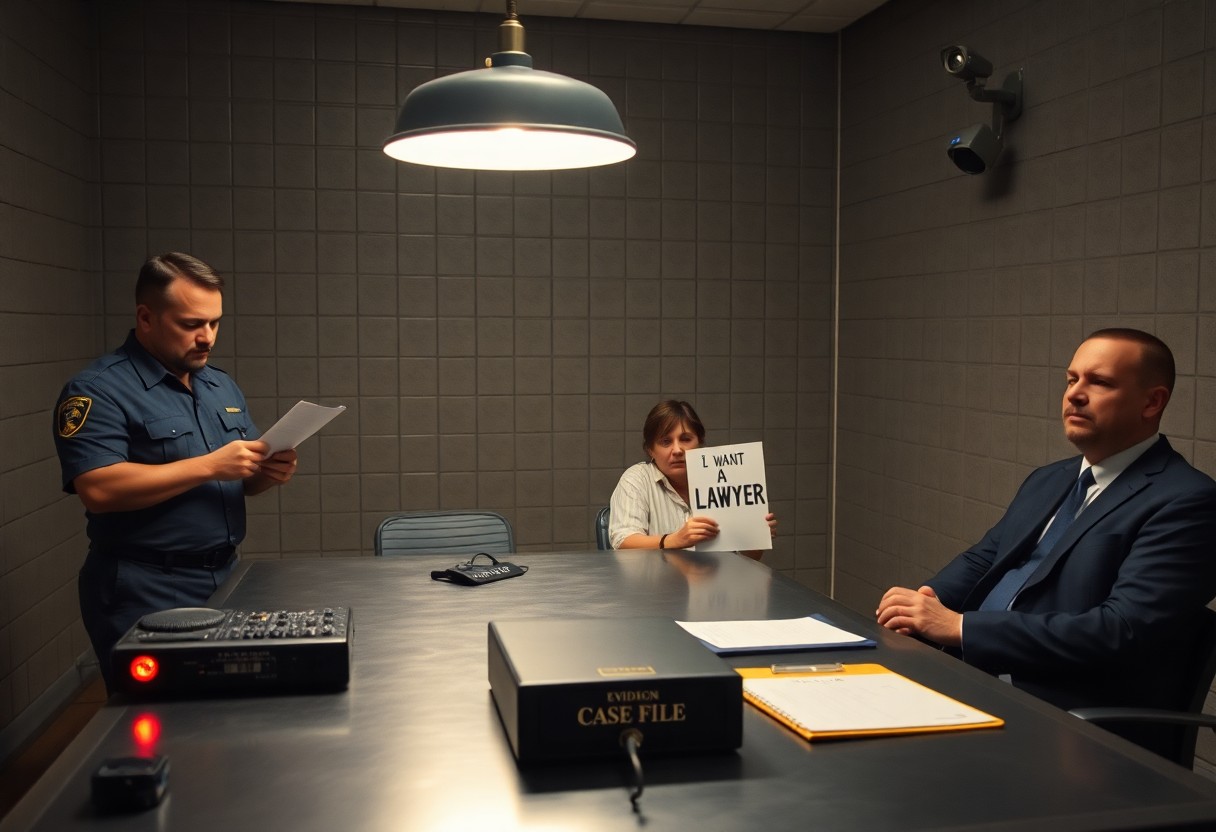
What Happens During a Police Interrogation and How to RespondMay 17, 2026UncategorizedPolice begin an interrogation by asking questions to gather information, often in a high-pressure setting. You have rights during this process, including the right to remain silent and to legal counsel. Knowing how to respond calmly and lawfully protects you and ensures your statements are not used against you.
Understanding Your Constitutional Protections
You have legal rights the moment an officer questions you, even if you’re not under arrest. The Fifth Amendment protects you from self-incrimination, while the Sixth guarantees access to legal counsel. These safeguards exist to prevent coercion and ensure fairness. Knowing them changes how you respond during questioning.
Invoking the Right to Silence Effectively
Say clearly, “I am invoking my right to remain silent,” and stop speaking. Silence alone may not protect you-courts have ruled that you must state your intent unambiguously. Once spoken, officers must cease questioning on criminal matters. Repeat the statement if they continue.
The Mandatory Requirement for Legal Counsel
You are entitled to an attorney before and during any interrogation. Request one by stating, “I want my lawyer,” and do not answer further questions. Police must stop questioning immediately. This rule applies whether or not you can afford a lawyer-the state must provide one if needed.
After you ask for a lawyer, all interrogation must halt until your attorney is present and you’ve had time to consult. Officers cannot pressure you to speak, trick you into waiving your rights, or restart questioning without your lawyer present. This protection remains in place even if you previously answered questions-your right to counsel can be invoked at any moment.
How to Respond During Initial Questioning
Stay calm and listen carefully when officers begin asking questions. You are not required to answer every inquiry, especially those that could incriminate you. Politely state, “I would like to speak with an attorney before answering questions.” This protects your rights without escalating tension.
Maintaining Composure and Limiting Verbal Output
Keep your emotions in check, even if the situation feels stressful. Say only what is necessary-such as your name or identification-and avoid offering explanations or personal details. Silence is not defiance; it’s a legal safeguard.
Avoiding Voluntary Consent for Searches or Tests
You have the right to refuse consent for searches of your person, vehicle, or belongings. Simply say, “I do not consent to a search.” Officers may proceed if they have legal justification, but your clear refusal preserves your rights for later review.
Police often ask for permission to search because it’s faster than obtaining a warrant. By not consenting, you force them to rely on probable cause or a judge’s approval. This creates a legal record and may reveal weaknesses in their case. Never assume that agreeing to a search will make things easier-once given, consent is difficult to take back, and anything found can be used against you.
Critical Factors That Determine Interrogation Outcomes
Your demeanor during questioning
The officer’s interrogation style
Whether you have legal counsel present
The strength of the evidence against you
Thou hold power in how you respond, even under pressure.
The Influence of the Physical Environment and Duration
Isolation, bright lights, and prolonged questioning can wear down your focus. A closed room with no clock distorts your sense of time. Officers may use this to their advantage. Stay aware of how long you’ve been there and insist on breaks when needed.
Assessing the Admissibility of Spontaneous Statements
A statement made without prompting might still be used in court if it’s truly voluntary. Courts examine context-your mental state, whether you were in custody, and if police provoked the remark. Silence is always an option.
Spontaneous statements are treated differently than answers to direct questions. If you blurt out something without being questioned, it may be deemed admissible because it wasn’t coerced. However, law enforcement can’t engineer situations just to provoke such remarks. Your words matter, even when you think no one is asking.
Essential Tips for Protecting Your Defense
Remain calm and avoid emotional reactions
Do not volunteer information beyond basic identification
Politely decline to answer questions without counsel
Ask to speak with an attorney immediately
After you assert your right to legal representation, stop speaking until your lawyer arrives.
Documenting Officer Conduct and Procedures
Pay close attention to what officers say and do during the interaction. Note their names, badge numbers, and any statements made. Observe whether procedures like reading Miranda rights are followed. After, share these details with your attorney to assess potential misconduct.
Identifying Signs of Coercion or Duress
You may feel pressured when officers use aggressive tones, false promises, or threats to extract a statement. Watch for repeated questioning, isolation, or claims that cooperation will lead to release. After recognizing these signs, stay silent and insist on legal counsel.
Coercion often appears in subtle forms, such as prolonged questioning without breaks, misleading statements about evidence, or implying that silence proves guilt. Officers might suggest that confessing will result in lighter consequences, which is not guaranteed. Recognizing these tactics helps you maintain control and avoid self-incrimination under psychological pressure.
Steps to Take After the Interrogation Concludes
Once the interrogation ends, your actions can significantly affect your case. You should immediately document everything you recall-the questions asked, your responses, and the officers’ behavior. Avoid discussing the details with anyone except your attorney, as even casual conversations can be used against you.
Reviewing the Custodial Record for Discrepancies
You have the right to examine any written or recorded documentation from your interrogation. Look closely for inconsistencies between what you said and how it was documented. Officers may misquote or omit key details, and spotting these early strengthens your defense.
Formulating a Strategy with Your Defense Team
Your lawyer will analyze the interrogation’s tone, content, and legal compliance to build your defense. This includes assessing whether your rights were respected and identifying weaknesses in the prosecution’s narrative. Your input helps shape a response tailored to the evidence.
Working closely with your attorney, you’ll determine whether to pursue a plea, prepare for trial, or challenge evidence obtained during questioning. They may file motions to suppress statements made under pressure or without proper advisement of rights. Your cooperation and honesty during these meetings are imperative to mounting the strongest possible defense.
Final Words
So you now know what happens during a police interrogation and how to respond. You remain calm, you listen, you speak only if you choose to, and you always assert your right to legal counsel. Your cooperation does not require self-incrimination. Your silence is not suspicion-it is strategy. You protect yourself by knowing the process and standing by your rights. […]
Read more…
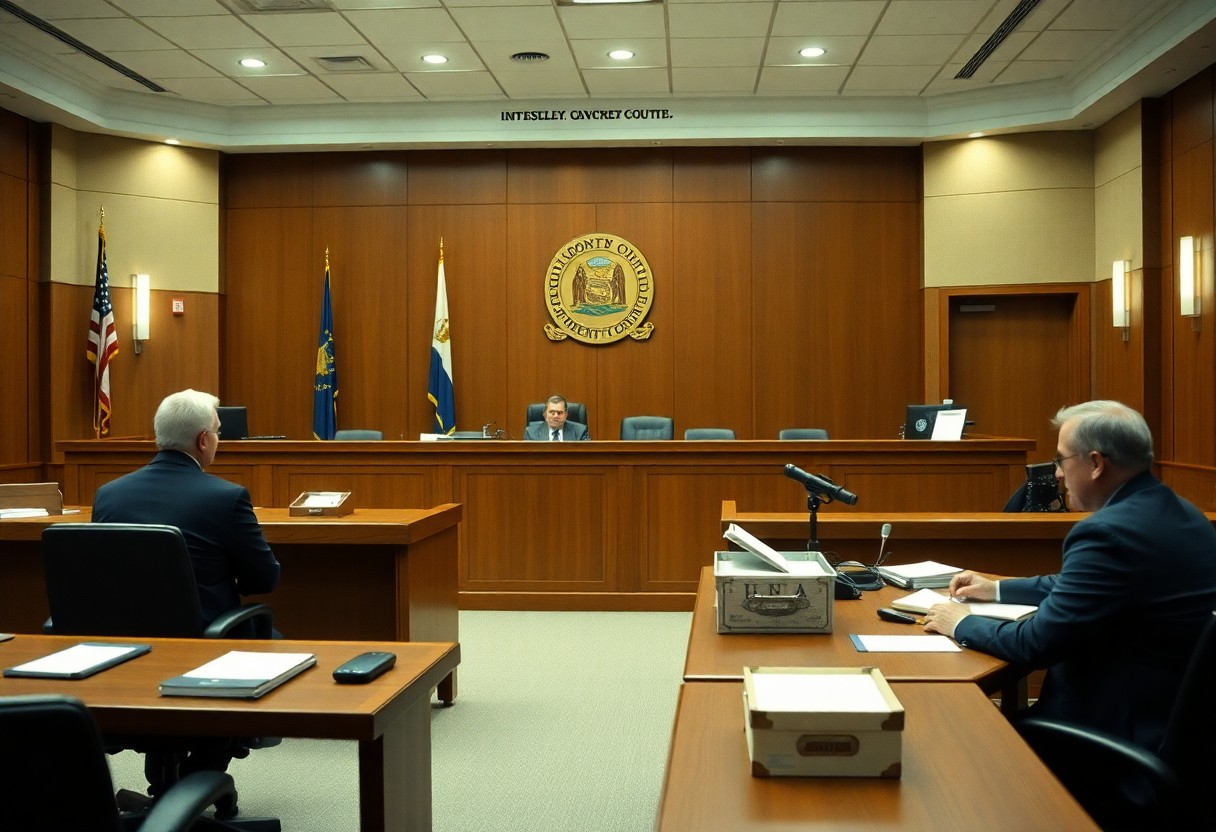
What to Expect During Pretrial Hearings in NevadaMay 16, 2026UncategorizedMost pretrial hearings in Nevada are procedural steps where you, the defendant, appear before a judge to address issues like bail, evidence, or plea discussions. You can expect legal arguments, possible motions to suppress evidence, and scheduling updates. These hearings help shape the path of your case and require your full attention and preparation.
The Silver State Gavel Drops
What Happens When the Judge Takes the Bench
You’ll sit quietly as the judge enters and calls the courtroom to order. The atmosphere shifts instantly-this is where decisions begin to take shape. Your attorney may make brief statements, and the prosecution outlines its position. Every word matters, so stay attentive and let your lawyer guide the exchange.
Motion Practice in the Desert Heat
Filing Motions Before Trial
You file motions to shape the direction of your case long before stepping into court for trial. Each motion serves a specific purpose, whether excluding evidence, challenging legal sufficiency, or requesting dismissal.
Responding to Opposing Motions
A judge expects timely responses when the other side files motions against you. Missing deadlines risks losing arguments before they’re heard, so prompt action protects your position.
Oral Arguments in Clark County
Courts in Las Vegas often require oral argument on key motions, where your attorney must think quickly under questioning. Being prepared means anticipating judicial concerns and addressing them clearly, without unnecessary detail.
The Preliminary Hearing Crucible
You face the preliminary hearing as a key test of the prosecution’s case. A judge evaluates whether enough evidence exists to move forward to trial. The district attorney presents witnesses and evidence, while your attorney can cross-examine and challenge weaknesses. This isn’t a trial, but your defense gains insight into the state’s strategy. Outcomes vary-charges may be reduced, dismissed, or bound over for district court.
Negotiating Behind the Velvet Curtain
You step into a world few see when plea discussions begin in chambers. These closed-door talks between your attorney and the prosecutor shape outcomes more than courtroom drama ever does. Offers appear, evidence gets weighed, and time estimates are calculated-all without a jury present. Your choices here directly influence what comes next.
To wrap up
Summing up, you will face procedural steps at pretrial hearings in Nevada, including arraignment, plea entry, and potential motions. The court sets timelines, reviews evidence, and may discuss plea deals. Your presence and legal counsel are required. Understanding these stages prepares you for what comes next in the judicial process. […]
Read more…
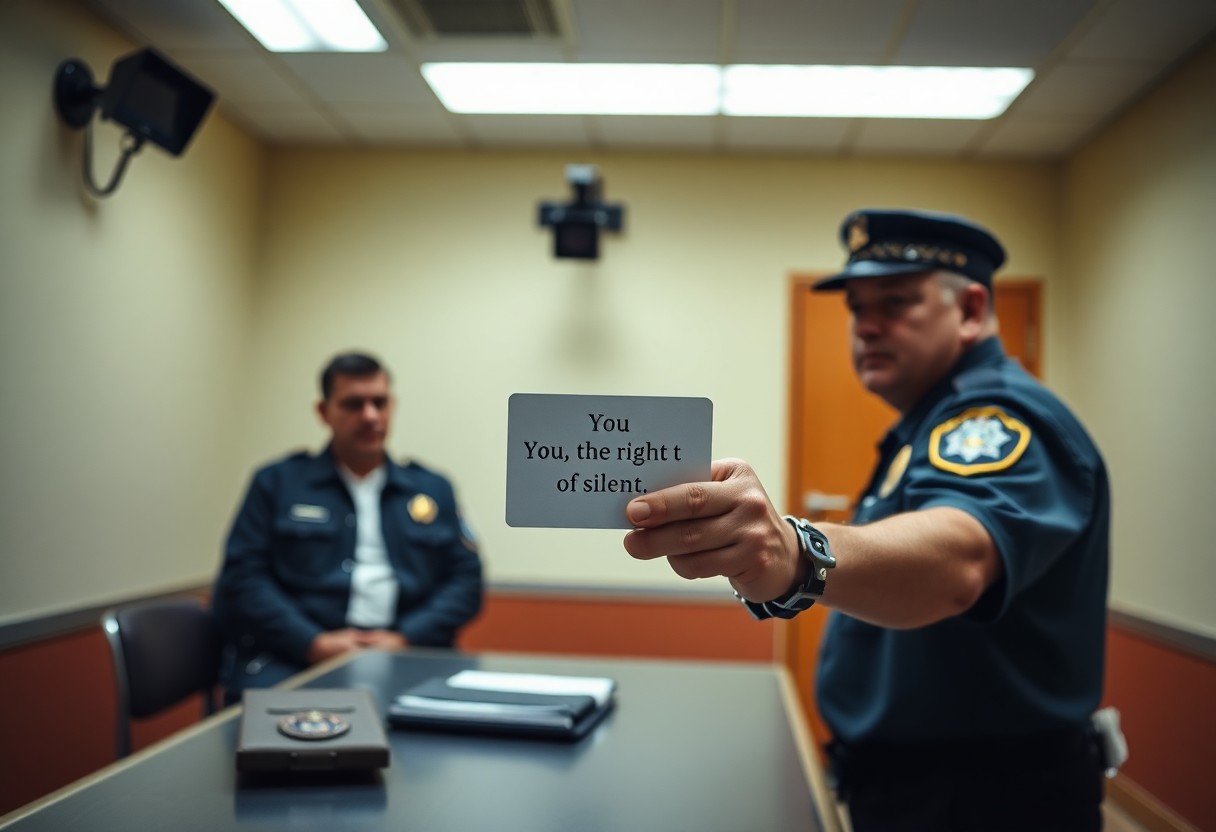
Understanding Your Miranda Rights and When They ApplyMay 16, 2026UncategorizedIt’s your right to remain silent, and knowing when that right kicks in can protect you during police questioning. You don’t get Miranda warnings every time an officer speaks to you-only during custodial interrogation. Understanding this distinction ensures you respond correctly when your rights matter most.
The Phoenix Confession
You may have heard of the Phoenix Confession, a real case where a suspect gave incriminating statements after hours of interrogation without legal counsel. Police hadn’t read him his Miranda rights at the start, making the confession inadmissible. This outcome underscores how procedural missteps can alter the course of justice. Your rights aren’t just formalities-they’re protections built into the system.
The Quiet Man’s Defense
You have the right to remain silent, and exercising it is not an admission of guilt. Staying quiet during police questioning protects you from saying something that could be misinterpreted or used against you later. Silence is a legal shield-use it wisely.
The Lawyer’s Shadow
When Silence Speaks Volumes
You have the right to remain silent, but knowing when to invoke it can change the course of your case. Once you ask for a lawyer, police must stop questioning you. That request creates a shield-anything you say after can’t be used against you. Exercise this right early, not during interrogation.
The Locked Room Rule
You’re only entitled to Miranda warnings when you’re in custody and being interrogated. The “Locked Room Rule” means that if you’re not free to leave-like being questioned in a police station interrogation room-your rights must be read before questioning begins. This restriction ensures you understand your right to remain silent even in high-pressure environments.
The Loose Tongue Trap
You might think casual conversation with police is harmless, but anything you say can become evidence. Officers aren’t required to warn you before asking questions that lead to self-incrimination. Once in custody, silence is often your strongest defense. Talking without legal counsel present can undo protections the law provides. Your words matter-choose them carefully.
The City’s Safety Net
Access to Legal Counsel
You have the right to speak with an attorney before answering police questions, and this protection exists even if you can’t afford one. The system provides court-appointed lawyers to ensure fair treatment, especially during interrogation or arraignment. Relying on this support helps protect your decisions under pressure.
To wrap up
Following this, you now understand your Miranda rights and when they apply. You know law enforcement must inform you of these rights only during custodial interrogation. Outside that context, silence or questioning does not trigger Miranda. Recognizing this distinction protects your constitutional rights and ensures informed decisions when interacting with authorities. […]
Read more…

How Juvenile Criminal Cases Differ from Adult Criminal ChargesMay 15, 2026UncategorizedMany young people face legal consequences without understanding how juvenile cases differ from adult charges. You are treated differently under the law due to age, with proceedings focused on rehabilitation over punishment. Courts consider your maturity, home environment, and potential for change, aiming to guide you back on track rather than impose harsh penalties.
The Divergent Paths of Justice
Focus on Rehabilitation vs. Punishment
You face a system built on different goals when charged as a juvenile. Courts prioritize your growth and rehabilitation over punishment, recognizing adolescence as a time of development. Programs often include counseling, education, and community service. The aim is to correct behavior, not impose long-term penalties.
The Language of the Law
You encounter different legal terms depending on whether a case involves a juvenile or an adult. Courts refer to juveniles as “adjudicated” rather than “convicted,” and their hearings are “dispositional” instead of “sentencing.” These distinctions reflect the system’s focus on rehabilitation over punishment. You’ll find the terminology itself signals a separate legal philosophy at work.
The Bench and the Jury
You won’t face a jury in juvenile court-judges alone decide the outcome of delinquency cases. Unlike adult criminal trials, where the right to a jury is guaranteed, the juvenile system prioritizes rehabilitation over punishment, and judges are seen as better equipped to assess a young person’s needs. Your case will be heard and decided by one judicial officer, not a group of peers.
The Veil of Privacy
You are shielded by a level of confidentiality not afforded in adult court. Juvenile records are often sealed, limiting public access to your case details. This protection aims to prevent long-term stigma and support rehabilitation. Your name typically won’t appear in media reports, and court proceedings are usually closed. These privacy measures reflect the system’s focus on your future, not just the offense.
The Nature of Confinement
You face different conditions if held in juvenile detention versus adult prison. Juvenile facilities focus on rehabilitation, education, and structured routines within secure but age-appropriate environments. These settings limit exposure to hardened offenders and emphasize counseling and skill-building. Adult jails prioritize punishment and public safety, often involving harsher living conditions and longer isolation. Your experience behind bars depends heavily on which system holds you.
The Prospect of Erasure
Your juvenile record may be eligible for sealing or expungement, depending on the offense and your behavior afterward. A court can erase your record entirely in some states, giving you a clean slate. You must complete all sentencing requirements first. This chance at erasure doesn’t exist for most adult convictions, making it one of the most meaningful distinctions in the justice system.
Conclusion
Taking this into account, you see that juvenile cases focus more on rehabilitation than punishment, operate under different legal procedures, and are handled in separate courts from adult charges. Your understanding of these distinctions clarifies how the justice system responds to youth offenders with an emphasis on growth and accountability rather than retribution. […]
Read more…
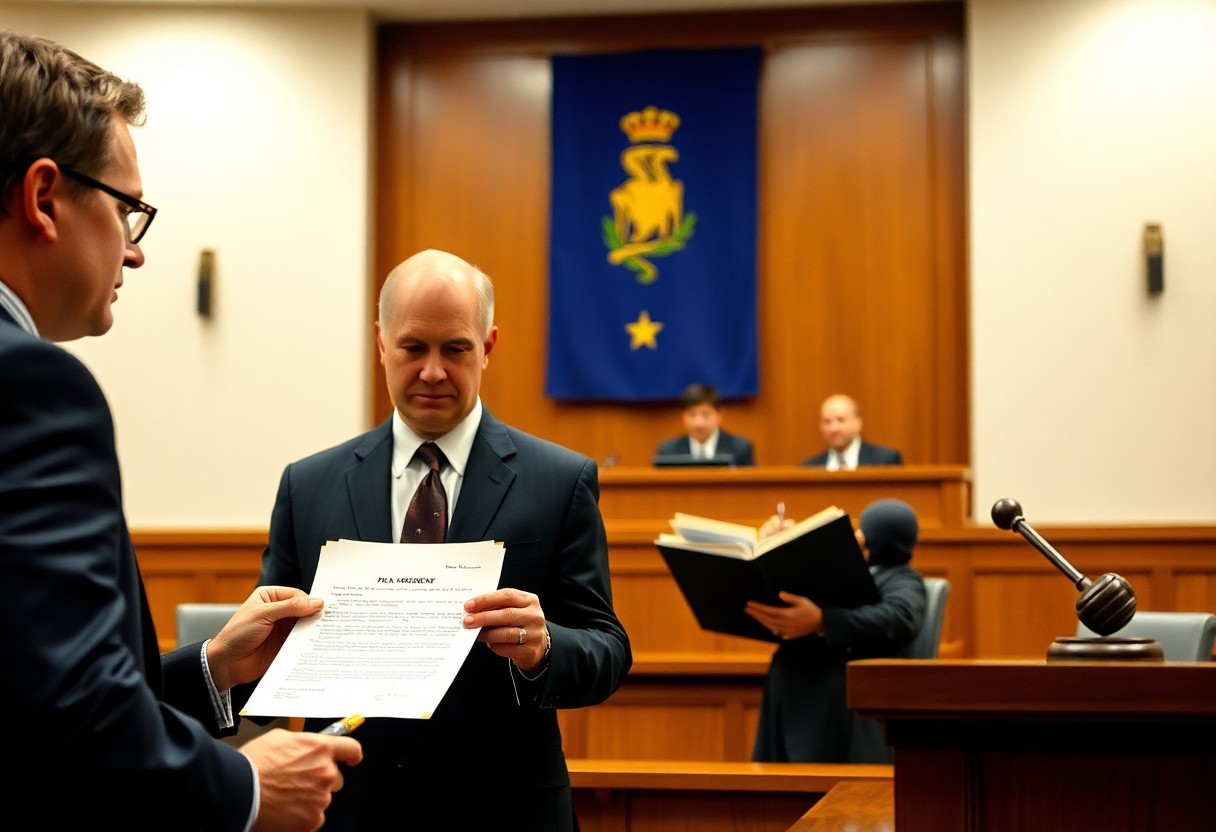
How Plea Bargains Work in Nevada Criminal CasesMay 15, 2026UncategorizedThere’s a good chance you’ll face a plea bargain if you’re involved in a criminal case in Nevada. You can negotiate with prosecutors to accept a guilty plea to a lesser charge or receive a reduced sentence. The court must approve any agreement, and you must enter it knowingly and voluntarily. This process helps resolve cases efficiently while giving you some control over the outcome.
The Silver State Shakedown
Nevada’s criminal justice system runs largely behind closed doors, where most cases never see a jury. You face a process shaped by discretion, timing, and unspoken rules that tilt heavily toward resolution without trial. This is where plea bargains become the norm, not the exception.
The DA’s Hidden Cards
Prosecutors hold most of the power in Nevada plea negotiations, deciding which charges to file and what evidence to disclose. You rarely see their full case upfront, giving them leverage to push for early resolutions before you fully understand your position.
The Negotiated Surrender
You may agree to plead guilty to a lesser charge to avoid harsher penalties at trial. This deal, once accepted, becomes binding and ends the case immediately. Your defense attorney works to secure terms that reduce jail time or keep certain charges off your record.
When you enter into a negotiated surrender, the agreement must be approved by the judge, who reviews it for fairness and voluntariness. You’ll be asked in court whether anyone forced or pressured you into accepting the deal. The judge also confirms you understand the rights you’re giving up, including the right to a trial, to remain silent, and to confront witnesses. If the court accepts your plea, sentencing follows either immediately or at a later date, depending on the case. This process emphasizes finality-once the plea is entered, reversing it becomes extremely difficult, making careful consideration before acceptance crucial.
The Courtroom Reality
You stand in a Nevada courtroom after accepting a plea deal, but the process isn’t over. The judge must review and approve the agreement, ensuring you understand the consequences. This moment shifts control from negotiation to formal acceptance, where your rights and the terms are confirmed on the record.
Canvassing the Defendant
You’ll answer direct questions from the judge about your plea. This step confirms you’re pleading guilty or no contest voluntarily, with full understanding of your rights and the deal’s terms. The court wants clear evidence you’re not coerced and know the consequences of your decision.
Judicial Veto Power
A judge can reject your plea agreement if it doesn’t serve justice. You may expect approval based on prosecutor consent, but the court has final say. If the judge finds the deal too lenient or unsupported by facts, they’ll decline it without hesitation.
The judge’s authority to veto a plea isn’t arbitrary. Nevada law requires fairness and proportionality in sentencing. If your crime carries serious public safety concerns or the evidence doesn’t match the proposed resolution, the court may refuse the deal. This preserves judicial integrity and ensures outcomes align with legal standards, even when both parties agree.
The High Stakes of Silence
Choosing not to speak during plea negotiations can cost you more than you expect. Prosecutors may interpret silence as resistance, making them less likely to offer favorable terms. Your attorney needs your input to advocate effectively-without it, the prosecution holds all the leverage.
Forfeiting the Jury Trial
You give up your right to a jury trial when you accept a plea deal. That means no public hearing, no chance for neighbors or peers to weigh the evidence. The judge decides your outcome based on agreed facts, often without hearing your side directly.
The Long Shadow of a Record
A conviction stays with you long after the sentence ends. It can block job opportunities, housing applications, and professional licenses. Even misdemeanor pleas carry lifelong consequences that affect your freedom more than you might realize at the time.
Every criminal conviction, no matter how minor it seems, becomes part of your permanent record. Employers running background checks see the charge, the plea, and the outcome. You may lose eligibility for federal aid, face immigration consequences, or be barred from owning firearms. These effects ripple through years, shaping choices not by law, but by stigma and restriction.
Conclusion
Taking this into account, you now understand how plea bargains function in Nevada criminal cases. You see the process, your options, and the role of prosecutors and judges. You can make informed decisions about accepting a deal or going to trial, knowing the consequences and benefits each path brings. […]
Read more…

Why Case Preparation Is Critical in Criminal Defense StrategyMay 14, 2026UncategorizedThe Savage Reality of the Accusation
Charges brought against you carry weight far beyond the courtroom-your freedom, reputation, and future hang in the balance. The state enters with a narrative designed to convince, not just prosecute. You face not only legal consequences but public judgment, making your defense a matter of survival, not just strategy.
Shredding the State Story
Every prosecution relies on a constructed version of events. You must dissect it piece by piece. Look for inconsistencies, witness bias, or missing timelines. The story they present may sound solid, but under scrutiny, it often unravels. Your job is to expose the gaps they’d rather ignore.
Hunting for Technical Failures
Procedures govern every step of law enforcement’s actions. Miss one, and the entire case weakens. You should examine how evidence was collected, stored, and presented. A warrant issued without probable cause, a broken chain of custody-these aren’t minor errors. They’re openings for dismissal.
Technical failures are more common than you think. Officers skip steps when under pressure. Labs mislabel samples. Dashcams fail to record. Each misstep gives you leverage. You don’t need to prove innocence outright-only that the process failed. When the system doesn’t follow its own rules, doubt grows. That doubt is your defense.
Blood and Ink in Discovery
Every drop of blood and every line of ink uncovered during discovery shapes your defense. Prosecutors may overlook inconsistencies in reports or lab results, but your trained eye catches them. These documents and forensic records aren’t just evidence-they’re the foundation of your strategy, revealing truths hidden in plain sight.
Digging Through the Paper Trail
Reports, warrants, and lab notes form a trail you must follow meticulously. Each document holds potential contradictions or procedural errors that could shift the case. You know that a misplaced timestamp or an unsigned form isn’t just a clerical flaw-it’s an opening.
Confronting the Hostile Witness
When a witness resists cooperation, your preparation becomes your strongest weapon. You’ve studied their statements, identified gaps, and built a sequence of questions that corner contradictions without aggression. Their discomfort works in your favor when you control the rhythm of the exchange.
Confidence under pressure defines your approach with hostile witnesses. You don’t rely on surprise; you rely on repetition-of facts, timelines, and sworn statements. A single misstep in their story, when exposed methodically, erodes credibility. Your tone stays calm, your questions precise, turning resistance into revelation. The courtroom sees not confrontation, but clarity.
The Architecture of Doubt
Doubt is the foundation of any strong defense. You build it piece by piece, starting with a thorough review of the prosecution’s evidence. Every inconsistency, gap, or assumption becomes a brick. Your strategy hinges not on proving innocence outright, but on showing that certainty is missing. That’s where your case gains strength.
Solidifying the Defense Wall
Strength comes from preparation. You reinforce your position by identifying weaknesses in the state’s timeline, witness credibility, or procedural errors. Each verified fact acts as a support beam. When you present a consistent, well-documented counter-narrative, the jury begins to see reasonable doubt not as speculation, but as a logical conclusion.
Attacking the Lab Results
Lab reports look scientific, but they’re only as reliable as the methods behind them. You question chain-of-custody records, technician certifications, and testing protocols. A single deviation can undermine the entire analysis. Your challenge isn’t to disprove science-it’s to show that the process failed to meet its own standards.
When you scrutinize lab results, you go beyond the numbers. You examine how the sample was collected, stored, and transported. Was contamination possible? Were controls properly run? You bring in experts not to create confusion, but to highlight flaws the prosecution overlooks. This isn’t nitpicking-it’s holding science accountable to the burden of proof required in your case.
The High-Stakes Mental War
You’re not just arguing facts in court-you’re battling perceptions, assumptions, and psychological leverage. Every motion, gesture, and word feeds into a silent contest of wills. How you prepare determines not only your position but your ability to anticipate and disrupt the prosecution’s rhythm before it gains force.
Reading the Prosecutor Minds
They aim to control the narrative from the start. You must dissect their patterns-charging decisions, witness choices, even tone in filings-to predict their next move. Spotting their pressure points lets you shape your defense where it hurts them most, turning their confidence into hesitation.
Hardening the Client Soul
Your client will face fear, doubt, and public judgment. Preparing them isn’t about rehearsing answers-it’s about building emotional resilience. When they understand the process and their role, they stand firm under cross-examination instead of breaking under pressure.
Strengthening your client goes beyond legal coaching. It means honest conversations about worst-case scenarios, managing expectations, and reinforcing their dignity. A composed client projects credibility, and credibility sways juries. When they speak, it must be with clarity, not desperation-something only thorough mental preparation can ensure.
Tactical Strikes in the Courtroom
Every move you make during trial must serve a purpose. Precision in timing, tone, and content shapes how facts are received. A well-placed objection, a sharp cross-examination, or a sudden shift in focus can shift momentum. These are not accidents-they stem from meticulous case preparation that anticipates every twist.
Killing Tainted Evidence
You stop harmful evidence before it reaches the jury. By identifying procedural flaws or constitutional violations early, you file motions that exclude unreliable testimony or illegally obtained items. This isn’t just procedure-it’s protection. When you eliminate tainted evidence, you strip the prosecution of its leverage and strengthen your client’s position.
Forcing the Better Deal
You create pressure by exposing weaknesses the prosecution cannot ignore. When your preparation reveals gaps in their case, they start reconsidering trial risks. A strong defense doesn’t just defend-it compels compromise. The stronger your position appears, the more likely they are to offer favorable terms.
Prosecutors weigh trial uncertainty against resource costs and public perception. When you’ve documented inconsistencies, challenged forensic methods, and shown readiness to contest every claim, they see conviction as uncertain. That uncertainty becomes your leverage. You’re not waiting for mercy-you’re engineering a negotiation from strength, and that starts long before trial.
Final Words
On the whole, your case preparation defines the strength of your defense. Every detail you gather, every witness you interview, and every legal argument you shape directly influences the outcome. Courts demand precision, and without thorough groundwork, weaknesses emerge. Your strategy stands or falls on how well you prepare, making it the foundation of every successful criminal defense. […]
Read more…
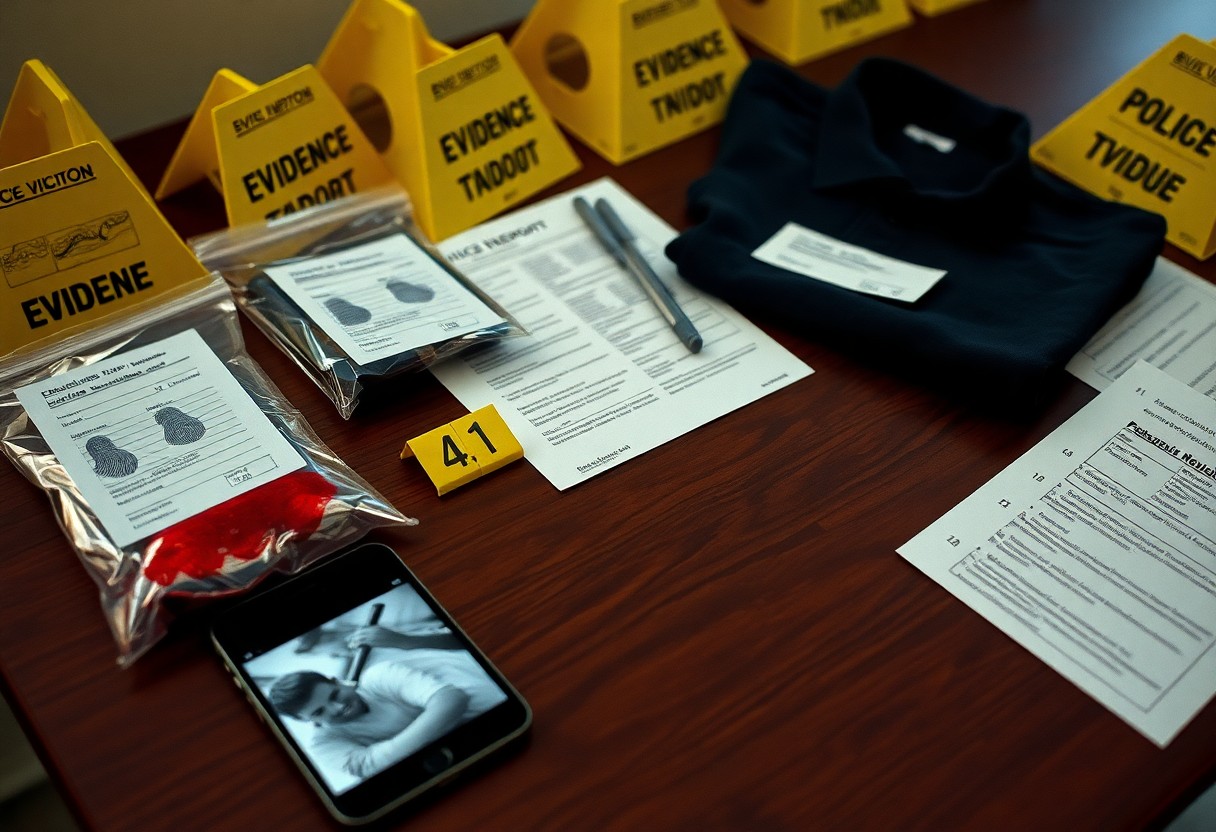
What Evidence Can Be Used Against You in CourtMay 14, 2026UncategorizedIt’s important to know what evidence can be used against you in court, as it directly impacts your case. Physical items, witness statements, digital communications, surveillance footage, and expert testimony may all be presented. Courts assess relevance, authenticity, and legality before admitting evidence, so understanding these factors helps you better prepare your defense.
The Cold Weight of Physical Remains
Physical evidence often carries undeniable weight in court because it existed before the investigation began. These objects don’t change their story under pressure. You’re presumed responsible when your fingerprints, DNA, or personal belongings are found at a crime scene. The permanence of physical remains makes them powerful tools against you, regardless of intent or explanation.
Biological traces and genetic codes
Your body leaves behind silent markers-blood, saliva, hair, skin cells. These biological traces link you directly to a location or person. Even microscopic samples can generate a full DNA profile matching you to the scene. Once collected and preserved, this genetic code becomes difficult to dispute in court.
Weapons recovered from the scene
A firearm, knife, or other weapon found near you or at the crime site creates a direct narrative. If your fingerprints are on it or ballistics tie it to the offense, the connection strengthens. Prosecutors use recovered weapons to establish intent, opportunity, and action-all pivotal in shaping your outcome.
When law enforcement recovers a weapon from the scene, they don’t just log it-they test it. Forensic experts examine fingerprints, residue, and firing mechanisms. They match bullets to guns and trace ownership records. Even if you weren’t holding it, proximity and forensic links can place you at the center of the act. Courts treat recovered weapons as concrete proof of involvement.
Whispers in the Digital Ether
You leave traces every time you interact online, even in places you assume are private. Encrypted apps, deleted posts, and anonymous logins still generate data that investigators can recover. Courts regularly admit digital footprints as evidence, especially when they reveal intent, timing, or connection to a crime. What you say-and how, when, and where you say it-can come back with surprising clarity.
Messages sent in the dark
You might believe your private messages vanish into the void, but most platforms store metadata or keep logs even after deletion. Apps promising secrecy often still record timestamps, sender IDs, or server routes. Prosecutors can subpoena this data to reconstruct conversations, proving communication patterns or incriminating exchanges you thought were hidden.
Geographic breadcrumbs from devices
Your phone tags photos, logs Wi-Fi connections, and pings cell towers, creating a map of your movements. Even when location services are off, carriers and apps retain approximate data. This trail can place you at a crime scene or contradict your alibi, turning silent signals into powerful courtroom evidence.
Cell tower triangulation, GPS logs, and Bluetooth proximity records build a detailed picture of where you’ve been. Apps routinely collect location data in the background, often without explicit notice. Law enforcement can obtain warrants for this information, pulling records from service providers or device backups. When matched with other evidence, these geographic markers carry substantial weight in establishing timelines and presence.
The Fragile Truth of Human Memory
Your memory shapes how you recall events, but it’s far from infallible. Each time you retrieve a memory, your brain reconstructs it, opening the door to distortions. Stress, time, and suggestion can alter details without you realizing. What feels certain may not hold up under scrutiny, and courts recognize this limitation when weighing eyewitness accounts.
Accounts from the bystander
Someone nearby might claim to have seen what happened, and their words carry weight. Their description of events often influences how a case unfolds. You should know, though, that perspective, distance, and lighting affect accuracy. Even honest observers can misremember actions or timelines, especially in chaotic moments.
Professional analysis of the facts
An expert can interpret evidence in ways you might overlook. Their training allows them to identify patterns, inconsistencies, or technical details that strengthen or weaken a narrative. When professionals review timelines, behavior, or physical clues, their conclusions often become pivotal in court decisions.
Forensic psychologists, accident reconstruction specialists, and document examiners bring structured methods to assess what really occurred. They rely on data, not recollection, minimizing the risk of bias. Their reports withstand rigorous questioning because they’re grounded in repeatable processes. You benefit from understanding that these analyses often reveal truths memory alone cannot provide.
Ink and Paper Confessions
Written words carry weight when they end up in court. Anything you’ve signed, authored, or even scribbled can become evidence. Judges and juries often view written statements as deliberate and truthful, making them powerful tools against you if they imply guilt, intent, or admission.
Financial records of greed
Bank statements, tax returns, and transaction histories expose patterns authorities use to challenge your story. Unexplained deposits, luxury purchases, or sudden wealth can suggest illegal activity. These documents don’t lie-and prosecutors will use them to paint a picture of motive or misconduct.
Private letters and notes
Even personal writings meant for no one else’s eyes may be admitted as evidence. Journals, love letters, or casual notes can reveal state of mind, plans, or admissions. Once discovered, privacy offers no legal shield if the content relates to the case.
What you write in solitude still holds legal consequence. A hastily jotted thought in a notebook, a heartfelt letter tucked in a drawer-these can all be seized and interpreted in court. Courts assess authenticity and relevance, not your intention to keep them hidden. If they reflect knowledge, intent, or emotion tied to the matter, they become fair game.
The Unblinking Eye of the Lens
Cameras capture what memory cannot-every action preserved in unblinking clarity. You leave traces in pixels and timestamps, whether on street corners, storefronts, or smartphones. These recordings become silent witnesses, often holding the power to confirm or dismantle a narrative in court.
Still frames of the moment
Images freeze split seconds that may define your case. A photograph from a security camera, a bystander’s snapshot, or a social media post can place you at a scene or contradict your statement. You might not recall where you stood, but the lens does.
Visual charts of the crime
Diagrams map out events with precision, turning chaos into structured timelines. You see how prosecutors connect locations, movements, and actions to build their version of what happened. These visuals simplify complexity, making them persuasive tools in court.
These reconstructions are built from real data-GPS pings, timestamps, surveillance logs-and are not mere illustrations. You’re not just seeing a drawing; you’re facing a calculated interpretation of evidence meant to align with witness accounts or digital trails. Judges allow them because they clarify, but their clarity can work against you.
Shadows of Intent and Circumstance
Actions often speak louder than words in court, and judges or juries may examine what you did before, during, and after an incident to assess your mindset. Your behavior in context can shape how your intentions are interpreted, even without direct confessions or eyewitnesses tying you to a crime.
Patterns of previous behavior
History can resurface against you when similar past actions are presented to suggest a recurring motive or tendency. Courts may allow evidence of prior incidents if they demonstrate a consistent pattern relevant to the current charges you face.
Logical inferences of guilt
Circumstances surrounding an event can lead to conclusions about your role, even without direct proof. If facts align in a way that reasonably points to your involvement, the court may accept these logical connections as persuasive evidence.
When physical evidence or eyewitness testimony is absent, prosecutors often build a case through logic. You were near the scene, had opportunity, took evasive actions, or benefited from the outcome-each factor feeds into a narrative the jury may find convincing. These inferences don’t require certainty, only that the conclusion of guilt is a reasonable interpretation of the facts presented.
Final Words
Upon reflecting, you understand that courts consider a wide range of evidence against you, including documents, witness statements, digital data, and physical items. Your words, actions, and even behavior patterns can be used if legally obtained. The strength of evidence depends on relevance, authenticity, and adherence to legal procedures. You must recognize how each piece can shape the outcome of your case. […]
Read more…
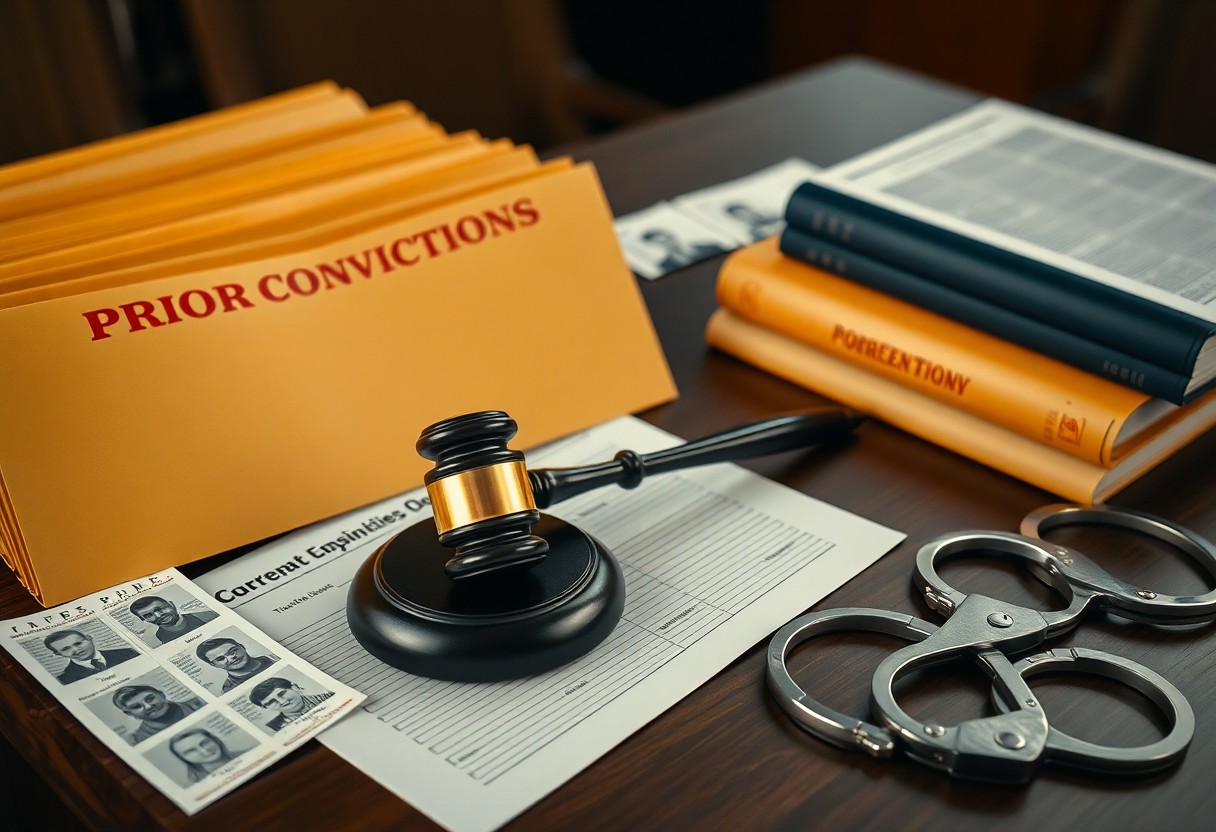
How Prior Convictions Affect Your Current CaseMay 13, 2026UncategorizedMost people don’t realize how much past convictions can shape the outcome of a current case. Your criminal history may influence sentencing, bail decisions, and even plea negotiations. Prosecutors and judges consider prior offenses when assessing your credibility and risk. Knowing how this history impacts your case helps you make informed legal choices.
The Arithmetic of the Infinite Sentence
You may face sentencing enhancements that multiply the weight of prior convictions, turning what seems like a minor charge into a life-altering outcome. Each past conviction adds a numerical value courts use to calculate penalties, sometimes triggering mandatory minimums or habitual offender statutes. Your history isn’t just reviewed-it’s quantified, and the math can work against you fast.
The Ritual of Impeached Truth
You stand in court knowing your past can reshape how your words are heard. If you have prior convictions, prosecutors may use them to challenge your credibility, especially if the offenses involved dishonesty or false statements. Your truth becomes subject to doubt, not because of what you say now, but because of what you did then. This ritual isn’t about guilt in the current case-it’s about perception, and how the law treats your voice when your history is stained.
The Iron Law of Recidivism
You face tougher scrutiny when past convictions appear in your current case. Judges and prosecutors often view repeat offenses as a pattern, not an isolated mistake. Your history can shift how your actions are interpreted, leading to harsher charges or reduced leniency. The system tends to assume a higher risk of reoffending, which directly impacts sentencing outcomes.
The Pattern of Previous Transgressions
Your past actions often shape how the court views your current situation. A history of similar offenses can lead judges and juries to see your behavior as part of a repeated pattern rather than an isolated mistake. Prosecutors may use prior convictions to argue intent, credibility, or likelihood of reoffending. This perception can influence sentencing, bail decisions, and even plea negotiations. You’re not being judged solely on the present charge-your record travels with you.
The Shadowed Halls of Plea Bargaining
Your prior convictions quietly shape the tone of every plea discussion. Prosecutors often use past records to push for harsher terms, believing repeat offenses signal a pattern. You may find offers less generous than someone without a record would receive. This doesn’t mean you should accept the first deal-strategic negotiation still matters. Your attorney can challenge assumptions about your history and seek fairer outcomes.
Conclusion
Considering all points, your prior convictions can directly influence sentencing, credibility, and legal strategy in your current case. Courts often view past behavior as indicative of character, which may affect outcomes. You face higher stakes when a record is present, and prosecutors may use it to seek harsher penalties. Your defense must address this openly and strategically. […]
Read more…

DUI vs Reckless Driving in Nevada – Key Legal DifferencesMay 12, 2026UncategorizedYou face very different penalties depending on whether you’re charged with DUI or reckless driving in Nevada. A DUI involves alcohol or drug impairment with a BAC of 0.08% or higher, while reckless driving means operating a vehicle with willful disregard for safety, regardless of substance use. Each charge carries distinct consequences for your license, fines, and criminal record.
The Nature of the Charge
You face a DUI in Nevada when you operate a vehicle with a blood alcohol concentration of 0.08% or higher, or under the influence of drugs. This charge focuses on impairment due to substance use. Reckless driving, in contrast, centers on dangerously negligent operation of a vehicle-regardless of intoxication. Your actions, like excessive speeding or aggressive swerving, define this offense.
Penalties and Prison Time
You face stiffer penalties for a DUI conviction in Nevada than for reckless driving. A first-offense DUI can bring up to six months in jail, fines up to $1,000, and a driver’s license suspension. Reckless driving, while serious, typically carries up to six months in jail and fines up to $1,000, but lacks mandatory license penalties. Repeat offenses dramatically increase consequences for both charges, but DUI enhancements are more severe.
Impact on the License
Your license faces immediate suspension with a DUI conviction, often starting the moment you’re arrested. A chemical test refusal or result over the legal limit triggers an automatic administrative action by the DMV. Reckless driving may not always suspend your license immediately, but it adds points and can lead to suspension if combined with other violations. You’ll need to petition for a hardship permit or attend hearings to regain driving privileges after a DUI. Each decision you make post-arrest directly affects how long you can legally drive.
Criminal Records and Future
Your conviction for DUI or reckless driving will appear on your criminal record, affecting employment, housing, and professional licensing. A DUI typically carries heavier long-term consequences due to its classification as a more serious offense. Insurance providers often view DUIs as a major red flag, leading to steep premium increases or policy cancellation. You may also face travel restrictions to countries that deny entry based on alcohol-related convictions.
The Plea Bargain Process
You may be offered a plea deal to reduce charges or penalties in both DUI and reckless driving cases. Prosecutors often consider your driving record, the circumstances of the incident, and court workload when negotiating. Accepting a plea means waiving a trial, so weigh the long-term consequences carefully before deciding.
Costs Beyond the Court
You may face expenses that extend far beyond fines and legal fees. Insurance premiums often spike after a DUI or reckless driving conviction, sometimes doubling or tripling for several years. You could also pay for mandatory traffic school, ignition interlock devices, or increased collateral like higher security deposits on housing or utilities. These financial burdens quietly accumulate, impacting your budget long after the case closes.
Summing up
With these considerations, you understand that DUI in Nevada hinges on impaired ability due to alcohol or drugs, while reckless driving focuses on dangerous operation regardless of substance use. You face different penalties, legal thresholds, and defenses for each charge. Knowing the distinction helps you respond appropriately if charged. […]
Read more…
What Happens If You Miss a Court Date in Las VegasMay 11, 2026UncategorizedCourt systems in Las Vegas treat missed appearances seriously. If you fail to show up for your scheduled hearing, the judge can issue a bench warrant for your arrest. You may also lose bail money, face additional charges, or have your driver’s license suspended. Acting quickly can reduce the consequences.
The Bench Warrant Descent
Missed your court date in Las Vegas, and the system reacts fast. A judge can issue a bench warrant the same day, turning your failure to appear into a criminal offense. You’re now subject to arrest at any time, whether during a traffic stop or routine check. This escalation turns a missed obligation into an active legal threat hanging over you.
The Immediate Order for Arrest
Once the judge signs the bench warrant, law enforcement has legal authority to take you into custody immediately. You could be arrested at home, work, or during a routine traffic stop. There’s no advance notice, and bail may be denied or set significantly higher once you’re in custody.
Forfeiture of the Bond Money
Your posted bond is at risk the moment the court marks you as a no-show. The judge orders the full amount forfeited, meaning you lose every dollar paid, whether by cash, property, or through a bail bondsman. This financial penalty hits fast and rarely comes with a warning.
Losing your bond isn’t just a slap on the wrist-it’s a permanent financial loss unless you act quickly. Courts rarely return forfeited funds, even if you later turn yourself in. If you used a bail bondsman, you’re still on the hook for their fee and any recovery costs if they hire a bounty hunter. The clock starts ticking the moment the warrant is issued.
The Vegas Metro Dragnet
Las Vegas courts take missed appearances seriously, and the consequences unfold quickly. Once you fail to show, a bench warrant is often issued, putting you on the radar of law enforcement across the city. The Las Vegas Metropolitan Police Department routinely checks for outstanding warrants during routine stops or bookings, meaning your absence from court can catch up with you when you least expect it.
Unexpected Encounters with Law Enforcement
You might think skipping court goes unnoticed until you’re summoned again, but that’s rarely how it works. A routine traffic stop or hotel check-in could lead to an arrest if a warrant is active. Officers have instant access to court records, and if your name pops up, you’ll be taken into custody-no questions asked.
Complications with the Department of Motor Vehicles
Your driver’s license could be suspended the moment you miss your court date. Nevada law allows the court to report your failure to appear directly to the DMV, which may revoke your driving privileges without warning. Driving with a suspended license only adds more charges to your record.
Once the court notifies the Nevada Department of Motor Vehicles about your missed appearance, the suspension process begins automatically. You won’t receive a separate notice from the DMV, so you might not know your license is suspended until you’re pulled over. Reinstating it requires clearing the original warrant, paying reinstatement fees, and possibly attending a hearing-delays only make the process harder and more expensive.
Tactical Moves to Rectify
Acting quickly can reduce the fallout from missing your court date in Las Vegas. The court may issue a bench warrant or impose fines, but you have options to respond. Your immediate steps should focus on resolving the matter before it escalates further through formal legal channels.
Filing a Motion to Quash
Submitting a Motion to Quash asks the judge to cancel the bench warrant issued after your absence. You must file this request promptly and include a valid reason for missing court, such as a scheduling conflict or medical emergency. The court will schedule a hearing to review your explanation.
Securing a Legal Representative
Hiring an attorney strengthens your ability to address the consequences effectively. A lawyer familiar with Las Vegas courts can file motions on your behalf and advocate for warrant withdrawal or a new hearing date. Their involvement often leads to smoother resolution.
Choosing the right attorney means finding someone with direct experience in local criminal or traffic courts, depending on your case. They’ll assess your situation, gather supporting documents, and present a compelling argument to the judge. With legal representation, you’re more likely to avoid jail time, reduce penalties, and restore your standing in the system efficiently.
Compounding the Legal Debt
Ignoring your court date in Las Vegas doesn’t make your case disappear-it makes it worse. Unpaid fines accumulate, and new penalties stack on top of existing ones. You may also face collection actions, wage garnishment, or even suspension of your driver’s license, turning a manageable situation into a growing financial burden.
Contempt of Court Penalties
You can be held in contempt for failing to appear, especially if the court views your absence as deliberate. Judges have the authority to issue immediate sanctions, including fines or a short jail stay, to enforce courtroom authority and ensure future compliance with court orders.
Additional Failure to Appear Charges
A missed appearance may lead to a new criminal charge: Failure to Appear (FTA). This is not just a procedural slip-it’s a standalone offense. Depending on the original charge’s severity, your FTA could be a misdemeanor or a felony, adding potential jail time and a permanent mark on your record.
Being charged with Failure to Appear escalates your legal exposure significantly. If your original case was a felony, the FTA is likely a felony too, carrying penalties of up to four years in prison. Even for misdemeanor cases, the added charge means more court dates, higher legal costs, and increased strain on your future-especially if you’re on probation or have prior convictions.
To wrap up
On the whole, missing a court date in Las Vegas triggers a bench warrant for your arrest, meaning law enforcement can detain you at any time. You may also lose your bail, face additional charges, and damage your case. The court does not excuse absence without a valid, communicated reason. Contact your attorney immediately to address the situation and minimize consequences. […]
Read more…
How Search and Seizure Laws Protect Your RightsMay 10, 2026UncategorizedIt’s your constitutional right to be secure against unreasonable searches and seizures. These laws ensure law enforcement must follow strict procedures, often requiring warrants based on probable cause. You are protected from arbitrary intrusions, and evidence obtained illegally can be excluded in court, reinforcing your privacy and due process under the Fourth Amendment.
The Fourth Amendment Wall
Your protection against unreasonable searches begins with the Fourth Amendment. This constitutional barrier shields you from arbitrary invasions by law enforcement. It demands justification before the state peers into your private life. Without it, personal freedom would stand exposed to unchecked government reach.
The Perimeter of Privacy
Privacy defines the boundary where your personal life begins and state oversight ends. Courts assess whether you have a reasonable expectation of privacy in a given space or item. This standard shapes where law enforcement must pause and seek permission before acting.
Restraints on State Power
Warrants act as a legal checkpoint, requiring authorities to show probable cause before searching your home or seizing property. Judges must review and approve these requests, ensuring decisions aren’t made lightly or without evidence. This process keeps power in balance.
Every warrant must be specific-detailing exactly where officers can search and what they’re looking for. Blanket raids or fishing expeditions are forbidden. If law enforcement bypasses this rule, evidence collected may be excluded in court, reinforcing accountability and protecting your rights under the law.
The Requirement of Proof
Every search conducted by law enforcement must be grounded in objective evidence, not hunches or assumptions. You’re protected from arbitrary intrusions because officers must demonstrate valid reasons before accessing your property or personal effects. This standard ensures that privacy isn’t sacrificed for convenience or suspicion alone.
The Probable Cause Standard
Probable cause demands more than a guess-it requires facts that would lead a reasonable person to believe evidence of a crime exists in the place to be searched. You benefit from this threshold because it prevents authorities from acting on mere suspicion. Courts examine whether the information presented justifies the intrusion.
The Judicial Gatekeeper
A judge stands between you and unchecked police power by reviewing warrant requests impartially. You rely on this role to ensure searches meet legal standards before they happen. The judge doesn’t take the officer’s word alone but evaluates the evidence supporting probable cause.
When law enforcement seeks a warrant, they must present sworn statements and supporting details to a judge, who acts independently. This review process protects you by requiring a neutral assessment of whether the search is justified under the law. Without judicial approval, most searches would violate your Fourth Amendment rights, making this oversight a cornerstone of constitutional protection.
Lawful Intrusions
Some searches are permitted without a warrant under specific legal exceptions. You can expect law enforcement to act within defined boundaries even during these intrusions. Courts evaluate whether officers followed established procedures and respected constitutional limits. Your rights remain protected as long as the intrusion aligns with judicial standards.
Emergency Actions
When immediate danger threatens public safety or evidence is at risk of destruction, officers may enter without prior approval. You should know these actions must be justified by clear, urgent circumstances. Authorities cannot use emergencies as a loophole for unjustified searches.
Visible Violations
If illegal items are in plain view during a lawful presence, officers can seize them without a warrant. You lose privacy expectations for objects clearly visible in restricted areas. This rule only applies when law enforcement is legally allowed to be in that location.
Imagine a police officer lawfully approaching your front door to speak with you. If they see a bag of illegal drugs sitting on the entryway table, clearly visible from outside, that constitutes a visible violation. You cannot claim privacy in what is openly displayed to someone standing where they have a right to be. This principle prevents individuals from challenging seizures of evidence that are in plain sight during legal encounters. It reinforces the balance between personal privacy and effective law enforcement.
The Rejection of Tainted Proof
When law enforcement gathers evidence through unconstitutional means, courts refuse to accept it. This principle ensures your rights are not casually dismissed in pursuit of convictions. You benefit from this safeguard every time a judge rules against using improperly obtained items or statements.
Suppression of Illegal Acts
Police overreach can taint an entire case. If officers skip required procedures like securing a valid warrant, any evidence they collect may be thrown out. You’re protected because the system won’t reward shortcuts that violate your Fourth Amendment rights.
Integrity of the Court
Judges act as gatekeepers of fairness. When they exclude illegally obtained evidence, they send a clear message: the court will not become a tool for unjust outcomes. Your trust in the system depends on this standard being upheld without exception.
The court’s credibility hinges on its willingness to reject compromised evidence, even when it might secure a conviction. By refusing to allow unlawful tactics to influence outcomes, the judiciary reinforces its role as a protector of constitutional rights. You rely on this integrity every time a case turns on how evidence was collected, not just what was found.
The Citizen’s Defense
You hold legal safeguards when law enforcement seeks access to your person, home, or property. These protections exist to prevent unchecked authority and ensure accountability. Knowing your rights empowers you to respond confidently and lawfully when confronted with searches or seizures.
Limits of Suspicion
Suspicion alone doesn’t justify a search. Officers need more than a hunch-they must have reasonable articulable suspicion backed by observable facts. Without it, any search violates your Fourth Amendment rights and evidence may be excluded in court.
The Right of Refusal
You can refuse consent to a search if police lack a warrant. Saying “no” clearly protects your privacy. Officers might ask politely, but they must stop if you decline-unless they obtain a warrant or have another legal basis.
Exercising your right to refuse consent is a powerful legal tool. Police may still proceed if they have a warrant or fall under an exception like exigent circumstances, but without one, your refusal forces them to seek judicial approval. Staying calm and clearly stating your position strengthens your protection under the law.
The Digital Panopticon
You live in a world where data trails follow nearly every move you make online. Cameras, location tracking, and digital footprints create a constant surveillance presence. Search and seizure laws now extend beyond physical spaces, ensuring that your digital life isn’t subject to unchecked government access. These protections help maintain boundaries in an age of invisible observation.
Privacy of Data
Your personal information stored on phones, computers, and cloud services is not beyond legal reach-but it’s not unprotected either. Courts have recognized that digital files demand heightened privacy expectations. Warrants are generally required to access your emails, browsing history, or private messages, reinforcing your right to keep sensitive data shielded from arbitrary searches.
Electronic Freedom
Your ability to communicate, explore, and express yourself online hinges on legal safeguards against unwarranted digital intrusions. Without protections limiting how and when authorities can seize electronic devices, free expression would face silent erosion. These rules ensure your digital actions remain yours unless lawful cause is clearly established.
Electronic freedom means more than just access to technology-it means using it without fear of silent monitoring or unjustified data seizures. When law enforcement wants your laptop or social media records, they typically need judicial approval based on probable cause. This standard protects your autonomy in digital spaces, treating your online identity with the same respect as your physical one. Courts continue to refine these boundaries as technology evolves, but the core principle remains: your digital life deserves constitutional protection.
To wrap up
Taking this into account, search and seizure laws serve as a direct shield for your personal freedoms. You have the right to be free from arbitrary government intrusion, and courts enforce this through strict rules on warrants and evidence. When law enforcement oversteps, you can challenge unlawful actions, ensuring your constitutional protections remain intact. […]
Read more…
What to Expect During a Criminal Trial in NevadaMay 9, 2026UncategorizedCriminal trials in Nevada follow a structured process designed to protect your rights while ensuring justice. You will experience jury selection, opening statements, presentation of evidence, witness testimony, and closing arguments. Understanding each phase helps you prepare for what comes next in court.
The Jury Selection Gambit
You face a strategic phase where both sides shape the jury that will decide your fate. Attorneys ask questions to uncover biases, and you have a say through peremptory challenges. Each choice matters-personalities, backgrounds, and instincts all come into play. This is your first real test of persuasion, long before evidence is presented.
Opening Statements in the Neon Heat
What Happens During Opening Statements
You’ll sit quietly as both attorneys stand before the jury, laying out what they intend to prove. Each side gets a chance to tell the story behind the charges, painting a picture of the evidence to come. The prosecution goes first, outlining the case against you with facts they believe will hold up in court. The defense follows, offering your side of the story and challenging the state’s narrative from the start. These statements don’t include arguments or testimony-just a roadmap of what’s ahead. You’ll hear promises of evidence, witness names, and key moments that will shape the trial. Pay close attention; this is your first real glimpse into how both sides plan to frame the case.
The Witness Stand Purgatory
You may spend long stretches waiting to testify, often without explanation or timeline. The court moves at its own pace, and delays are common as attorneys consult, judges rule, or other witnesses proceed. You’ll sit, watch, and wait-sometimes for hours-while your moment on the stand remains just out of reach. Patience becomes your only option.
The Evidence and the Exhibits
You’ll see both sides present physical items, documents, photos, and digital records as exhibits during the trial. Each piece must be authenticated and deemed relevant by the judge before it reaches the jury. You may hear objections when evidence pushes legal boundaries. Pay attention-what’s admitted can strongly shape the outcome of the case.
Closing Arguments and the Last Stand
You’ll hear the prosecutor go first, summarizing the evidence and explaining why it proves your guilt beyond a reasonable doubt. Then the defense delivers their closing, challenging the state’s case and reinforcing doubt. You have the right to remain silent, but if you testified, your words will likely be revisited. The jury watches closely, absorbing each side’s final pitch before retreating to deliberate.
The Deliberation and the Verdict
Jurors retire to a private room to review the evidence and discuss the case after closing arguments. You wait outside the courtroom, unable to influence their discussions. They must reach a unanimous decision on your guilt or innocence. The judge provides instructions to guide their reasoning. A verdict is returned when they’re ready, and the court reconvenes to announce it.
To wrap up
With this in mind, you can expect a Nevada criminal trial to follow a clear sequence: arraignment, jury selection, opening statements, presentation of evidence, closing arguments, jury instructions, and verdict. You have the right to be present, to question witnesses, and to remain silent. The prosecution must prove guilt beyond a reasonable doubt, and your defense will challenge that case at every stage. […]
Read more…
How Witness Testimony Can Impact Your Defense StrategyMay 8, 2026UncategorizedJust one witness’s account can shift the direction of your case. You need to understand how testimony influences credibility, evidence interpretation, and courtroom perception. The statements given by witnesses-whether eyewitnesses, experts, or character references-directly shape how your defense is received. You must assess reliability, consistency, and potential biases early to build the strongest possible strategy.
The Faulty Lens of Memory
Memory isn’t a recording-it’s a reconstruction. Each time you recall an event, your brain reshapes it slightly, influenced by emotion, suggestion, and time. You may believe your recollection is clear, but subtle distortions creep in, often without notice. This natural imperfection can quietly undermine even the most sincere testimony.
Truth shifts like sand in the wind. A man sees what he wants to see when the light is low and the night is long.
Perception bends under uncertainty. In dim light or high tension, your mind fills gaps with assumptions. What you swear you saw may reflect expectation more than reality. Shadows play tricks, and the brain, eager for coherence, creates a story that feels true-even when it isn’t.
Fear clouds the mind and breaks the story. The heart beats fast and the memory fails under the pressure of the moment.
Adrenaline alters awareness. When fear takes hold, your focus narrows-details vanish, time distorts, and events blur. You might recall a weapon clearly but miss the face holding it. This isn’t dishonesty; it’s how the body survives. Yet in court, that fragmented memory becomes fixed testimony.
Under threat, the brain prioritizes survival over precision. Your senses may lock onto a loud noise or sudden movement while ignoring peripheral facts. Later, when asked to recount everything, you can’t retrieve what was never fully processed. This isn’t deception-it’s neuroscience. Recognizing this helps your defense challenge the weight given to eyewitness accounts shaped in moments of panic.
The Sharp Blade of Cross-Examination
You wield cross-examination like a scalpel, not a hammer. Every question is measured, designed to expose inconsistencies others overlook. Your goal isn’t confrontation-it’s control. When you take the stand, you don’t react; you guide. The witness speaks, but you shape the narrative with precision.
Cutting through the false story with precision. You find the holes where the lies leak out until the truth falls away.
Truth often hides in the gaps between words. You press the witness on small details-dates, distances, directions-and watch their story fray. A hesitation here, a contradiction there. Each misstep widens the crack until the entire account collapses under its own weight.
Silence as a weapon in the courtroom. Sometimes the things a witness does not say tell the jury the real story.
Pauses speak louder than answers. When you pose a simple question and the witness freezes, the jury notices. That silence isn’t empty-it’s loaded. You let it linger, refusing to rush in. In that stillness, doubt takes root and grows.
What a witness avoids can be more revealing than what they volunteer. You’ve seen it happen-when a defendant’s name isn’t mentioned, or a key moment goes unexplained. You don’t fill the gap. You highlight it. Jurors begin to wonder why something so obvious was ignored. That silence becomes a footprint leading away from the prosecution’s version of events. You don’t need to shout; you just need to wait.
The Cold Facts of Experts
Data that exists without emotion. The machines and the math do not lie even when the people are confused or bought.
You rely on forensic reports, lab results, and algorithmic reconstructions because they operate beyond bias. When a breathalyzer registers a blood alcohol level or GPS data traces a route, the numbers stand regardless of intent or perception. These outputs don’t waver under cross-examination-they simply are.
The hard weight of physical proof. A jury likes a thing they can see and measure with their own eyes and hands.
Physical evidence lands differently when passed from juror to juror. A bullet casing, a torn jacket, a fingerprint card-these items feel real in a way testimony never can. You know jurors will turn them over in their hands, looking for certainty in what they can touch.
Juries anchor their decisions in objects they can inspect. When you place a weapon on the table or show a timeline built from security footage timestamps, you give them something concrete to return to during deliberations. Unlike memory, which frays, or words, which shift, physical proof remains fixed-and that stability shapes how your entire defense is received.
The Man Who Was Not There
Being wrongly placed at a crime scene can shatter lives, but your absence is just as powerful as presence. When evidence shows you were miles away, it creates doubt the prosecution cannot ignore. Your defense must act fast to prove where you truly were.
Proof of distance and time. If a man is in one town he cannot be in another doing a bad thing.
Distance matters when timing contradicts the state’s story. GPS data, surveillance footage, or timestamped purchases can dismantle false claims. You weren’t there-let the minutes and miles prove it beyond doubt.
Friends who stand and speak the truth. Good men tell the court where you were and the things you actually did.
People who were with you carry weight when they step into court. Their honest words paint a clear picture of your actions that night. A shared meal, a phone call, or a simple hangout becomes your alibi.
These witnesses aren’t just character references-they’re factual anchors. They recall details only someone present would know: the joke you told, the game you watched, the route you drove. Their testimony doesn’t just support your story-it confirms it with lived experience, making it harder for doubt to take root.
A Name Built Over Years
Your reputation isn’t formed overnight-it’s shaped by consistent choices, integrity, and the way others see your character over time. When witness testimony reflects a life of honesty and responsibility, it becomes a powerful part of your defense. Jurors respond to real, credible accounts of who you are, not just what you’re accused of.
The value of a clean and honest record. A life lived well is a hard thing for a prosecutor to tear down.
A history of integrity speaks louder than isolated allegations. Witnesses who confirm your honesty, reliability, and good conduct offer a pattern that contradicts criminal accusations. When people who know you testify to your character, they present a narrative that’s difficult to dismiss.
Facing the fire of the accuser. A good reputation is the shield that stops the arrows shot in the dark of the court.
Accusations thrive in ambiguity, but your reputation stands as a barrier against baseless claims. When witnesses affirm your decency and consistency, they deflect attempts to paint you as guilty. Their words don’t just support your innocence-they protect your identity under attack.
When you’re facing direct allegations, character witnesses become your frontline defense. Their testimony doesn’t just say you’re a good person-it shows the court why that matters. Judges and jurors weigh credibility heavily, and a consistent history of ethical behavior, confirmed by others, forces them to question whether the accusations align with the person you’ve proven to be over time.
The Twelve in the Box
Jurors carry the weight of judgment into the courtroom, and their perceptions shape outcomes. You’re not just presenting facts-you’re speaking to twelve individuals with instincts, biases, and personal histories. How they interpret a witness’s demeanor often matters as much as what is said. Your defense must account for the human element seated in that box.
What they see in a witness face. They watch the eyes and the steady hands of the person telling the tale.
Appearance speaks before words ever do. Jurors study a witness’s face for signs of truth-eyes that meet theirs without flinching, hands that don’t tremble under pressure. A calm presence can lend credibility, while a blink too long or a twitching finger might plant suspicion. You know every gesture is being measured, even if unconsciously.
The birth of a reasonable doubt. It only takes one small crack in the story for the light of freedom to come in.
Doubt doesn’t need a landslide-just a whisper. One inconsistency, one pause too long, one detail that doesn’t align. That’s all it takes for a juror to question the entire narrative. You’re not proving innocence outright; you’re creating space where uncertainty can grow.
Even the most polished testimony can unravel under scrutiny. When a witness hesitates on a timeline or contradicts a prior statement, that moment becomes your opening. Jurors don’t demand perfection, but they notice when a story bends under pressure. Your job is to highlight those moments without overreaching-let the doubt take root on its own.
To wrap up
To wrap up, witness testimony directly shapes your defense strategy by influencing credibility, timeline accuracy, and case perception. You control how witnesses are prepared and presented, making their accounts a powerful tool in challenging the prosecution’s narrative. Your choices in handling testimony can shift the outcome, so precision and consistency are key. […]
Read more…
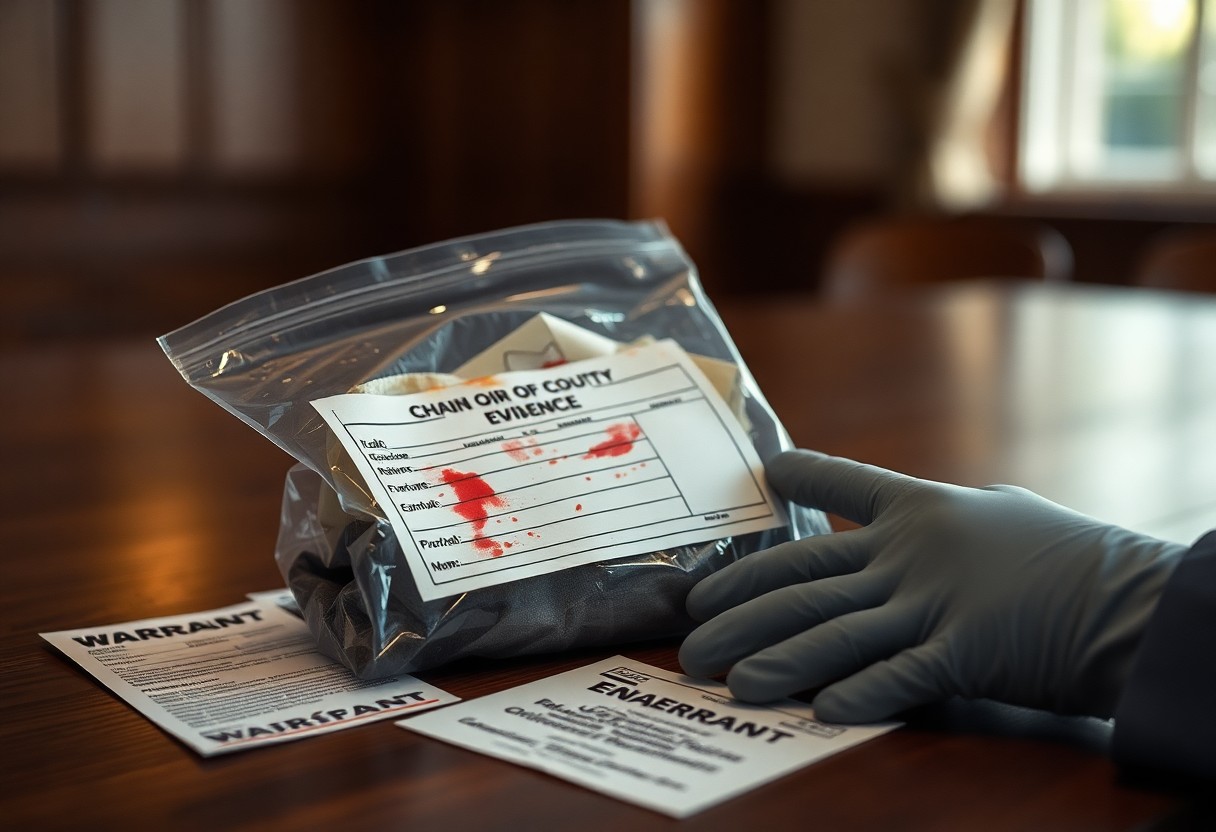
What Makes Evidence Inadmissible in Criminal CourtMay 7, 2026UncategorizedOver 40% of criminal appeals involve claims of improperly admitted evidence. You need to know what keeps evidence out of court. Illegally obtained items, unreliable testimony, or improper handling can all lead to exclusion. Your understanding of these rules shapes how justice is served in real cases.
Constitutional Violations
Your rights under the Constitution shape what evidence courts can accept. If law enforcement gathers evidence through unlawful searches or coerces a confession, that material typically won’t survive a suppression hearing. You’re protected from unreasonable seizures under the Fourth Amendment, and any breach often results in exclusion. When officers bypass required procedures-like skipping a warrant without justification-you gain the right to challenge the evidence’s use at trial.
Hearsay and Reliability
You often encounter statements made outside court that someone tries to use as proof of a fact. Those are hearsay-and they’re typically inadmissible because the person who made the statement isn’t under oath and can’t be cross-examined. Courts demand reliability, and secondhand claims rarely meet that standard unless they fall under a recognized exception.
Chain of Custody
If law enforcement fails to document who handled evidence and when, you lose trust in its integrity. Every person who touches a piece of evidence must be recorded, from the crime scene to the courtroom. You can’t prove an item hasn’t been altered or contaminated without this unbroken trail. When gaps appear, the court may rule the evidence inadmissible.
Prejudicial Influence
Some evidence, while relevant, risks swaying your judgment based on emotion rather than facts. If a piece of evidence provokes unfair bias-like graphic images or inflammatory statements-it may be excluded. Courts weigh whether its value is outweighed by the danger of prejudice. You’re expected to decide cases on proof, not passion, so judges often block material designed to manipulate feelings.
Expert Testimony Standards
You must understand that not every opinion from a qualified expert is admissible. Courts require that expert testimony rests on reliable methods, follows established scientific principles, and directly relates to the facts of the case. If an expert’s analysis lacks proper foundation or relies on speculative assumptions, a judge can exclude it to prevent misleading the jury.
Coerced Confessions
You lose the right to a fair trial when law enforcement pressures you into admitting guilt. Courts reject confessions obtained through threats, physical force, or prolonged interrogation without legal counsel. The Constitution protects you from self-incrimination, and any statement made under duress violates that right. Judges exclude these confessions because they undermine justice and invite false admissions.
Summing up
Your evidence faces exclusion when it violates procedural rules, lacks relevance, or stems from unlawful searches. Hearsay, improper authentication, or prejudicial content also undermine admissibility. Courts uphold standards to ensure fairness, so the way evidence is collected and presented directly impacts its acceptance in criminal proceedings. […]
Read more…

How to Handle False Accusations in a Criminal CaseMay 6, 2026UncategorizedThis guide shows you how to protect your rights when facing false criminal charges. You need clear steps, legal awareness, and calm judgment. You must act quickly, gather evidence, avoid self-incrimination, and secure experienced legal counsel to build a strong defense tailored to your situation.
Immediate Steps to Protect Your Legal Rights
Acting quickly can shape the outcome of your case. The moment you face false accusations, your priority is safeguarding your rights while avoiding actions that could harm your defense. Stay calm, avoid discussing the case with anyone, and take steps to secure legal representation immediately.
Retaining specialized criminal defense counsel
You need a lawyer who focuses on criminal defense, not just any attorney. A specialist understands how false allegations are prosecuted and knows the strategies to dismantle them. Contact a reputable defense attorney as soon as possible to begin building a strong, informed response.
Exercising the constitutional right to remain silent
You are under no obligation to speak to law enforcement without your attorney present. Anything you say can be twisted or used against you, even if you believe you’re helping your case. Stay silent and request legal counsel immediately.
Silence is not an admission of guilt-it’s a protected right under the Fifth Amendment. Investigators may pressure you to explain yourself, but their goal is to gather evidence, not to give you a fair hearing. By refusing to speak until your lawyer arrives, you prevent misstatements or emotional reactions from being used to build a case against you. Let your attorney handle all communication moving forward.
Critical Factors in Assessing the Validity of Accusations
Every accusation must be measured against objective standards. Consider the consistency of the story, the presence of corroborating evidence, and the accuser’s credibility. Look for contradictions in timelines or witness statements.
Inconsistencies in the accuser’s account
Independent evidence supporting or contradicting claims
History of similar allegations by the accuser
Opportunity and access to commit the alleged act
Knowing these elements strengthens your defense strategy.
Evaluating the accuser’s potential motives and bias
You may uncover reasons behind the accusation that have nothing to do with the alleged event. Personal conflicts, pending legal matters, or emotional distress can influence someone’s claims. Assess whether the accuser stands to gain from the outcome. Understanding their perspective helps expose possible distortions. Knowing motivation doesn’t prove innocence but reveals context.
Analyzing the physical feasibility of the alleged events
You should question whether the incident could have happened as described. Time, location, and physical evidence often contradict the narrative. Surveillance footage, phone records, or forensic data may show impossibility. A detailed timeline can dismantle a weak claim. Knowing what’s physically possible protects you from baseless allegations.
When examining physical feasibility, focus on concrete details like distance, timing, and environmental conditions. Could the accuser realistically have seen or experienced what they claim under the circumstances? Was there lighting, obstruction, or noise that makes their account unlikely? Forensic experts can recreate scenes to test plausibility. Your defense gains strength when the story defies logic or measurable facts.
How to Build a Robust Evidentiary Defense
Your defense starts with gathering clear, verifiable evidence that contradicts the allegations. Focus on documents, timelines, and objective data that support your version of events. A well-organized evidentiary foundation can shift the burden back onto the prosecution to disprove your case.
Securing digital footprints and electronic records
Technology often holds the most reliable proof of your whereabouts and actions. Pull phone logs, GPS data, social media activity, and email timestamps that align with your defense. These records can independently verify your account when human testimony falters.
Identifying and interviewing potential alibi witnesses
People who saw you during the alleged offense can provide powerful testimony. Reach out to friends, coworkers, or surveillance personnel who can confirm your presence elsewhere. Their statements, when documented early, carry more weight in court.
Start by reconstructing your timeline hour by hour on the day in question. Think about who you interacted with, places you visited, or transactions you made. Contact each person promptly-memories fade quickly. When you speak with them, ask specific questions about what they recall and document their responses in writing or recording, if legally permitted. These details become critical if their testimony is needed later. A credible witness who remembers seeing you at a store, restaurant, or event can dismantle the prosecution’s timeline. Make sure your attorney is involved early to preserve the integrity of these interviews and ensure proper legal procedures are followed.
Expert Tips for Navigating the Investigation Phase
Maintain silence until legal counsel is present
Document every interaction with law enforcement
Preserve all digital and physical evidence
Never discuss your case on social media
Follow your attorney’s guidance without delay
Knowing your rights and acting with discipline can shape the outcome of the investigation.
Handling requests for voluntary statements or polygraphs
Law enforcement may ask you to give a voluntary statement or take a polygraph, but agreeing without legal advice is risky. These tools often benefit the prosecution, and answers can be misinterpreted. Your attorney may advise against participation. Knowing your rights protects your defense strategy.
Coordinating with private investigators to gather facts
A skilled investigator can uncover evidence the police overlooked. They may interview witnesses, review surveillance, or reconstruct timelines. Their findings often support your version of events. Knowing strengthens your position before charges or trial.
Private investigators bring objectivity and resources to your case. They operate independently from law enforcement, allowing them to pursue leads without bias. From securing CCTV footage to locating alibi witnesses, their work fills critical gaps. Their reports can challenge false narratives and provide leverage in negotiations with prosecutors.
Factors that Influence the Success of Pre-Trial Motions
Strength of legal precedent
Quality of supporting documentation
Credibility of witness statements
Clarity of constitutional violations
Timeliness of filing
The outcome often hinges on how precisely you align your motion with established case law and procedural rules.
Challenging the sufficiency of the prosecution’s evidence
You can file a motion arguing the state lacks enough credible evidence to support key charges. Courts assess whether a reasonable jury could convict based on what’s presented. If gaps exist in the timeline, motive, or physical proof, you expose weaknesses early. The burden stays on the prosecution to meet their standard.
Filing motions to suppress illegally obtained information
You must act quickly if police seized evidence during an unlawful search or coerced a statement. The motion targets constitutional violations under the Fourth and Fifth Amendments. When rights were breached, that evidence may be excluded from trial. The court holds a hearing to review officer conduct and documentation.
Motions to suppress succeed when you clearly show law enforcement overstepped legal boundaries. You present facts proving a search occurred without a valid warrant or beyond its scope, or that you weren’t properly read your rights during custodial interrogation. Officers may be required to testify about their actions. If the judge agrees evidence was gathered unlawfully, it cannot be used against you at trial. The suppression of key evidence often shifts the balance of the entire case.
Tips for Managing Personal and Professional Impact
Maintain open communication with trusted family members
Inform your employer only if legally required or necessary
Limit public discussion of the case on social media
Seek legal advice before making any public statements
This helps minimize damage to your relationships and career while the case proceeds.
Protecting your reputation from public disclosure
Control what information becomes public by avoiding social media posts about the case. Ask your attorney if a motion to seal records is possible. Share updates only with people who truly need to know. This preserves your privacy during a sensitive time.
Navigating the psychological stress of the legal process
Feelings of isolation and anxiety are common when facing false charges. Speaking with a licensed therapist can provide emotional support. Staying connected to trusted friends helps reduce mental strain. This support system strengthens your resilience throughout the process.
Being accused of a crime you didn’t commit can trigger intense emotional responses, including fear, anger, and helplessness. The uncertainty of court dates and outcomes often worsens stress. You may experience trouble sleeping or concentrating on daily tasks. Professional counseling offers a safe space to process these emotions without judgment. Many find that routine and structure-like regular exercise or scheduled check-ins with a counselor-bring a sense of control. This consistent self-care plays a key role in maintaining mental clarity during prolonged legal proceedings.
To wrap up
You protect your rights by staying silent, hiring a skilled defense attorney, and avoiding contact with accusers or evidence tampering. Every decision matters when fighting false charges, so act quickly and wisely. Your future depends on clear thinking, not emotional reactions. Trust the legal process, follow your lawyer’s guidance, and let facts-not fear-shape your defense. […]
Read more…
What Happens After a Criminal Conviction in NevadaMay 5, 2026UncategorizedConsequences follow immediately after a criminal conviction in Nevada, affecting your freedom, rights, and future. You may face jail time, fines, or probation, depending on the offense. Your ability to vote, own firearms, or find employment can be restricted. Understanding these outcomes helps you prepare for life after sentencing and take steps toward rebuilding your future.
The Gavel Drops: Sentencing Realities
You face a judge’s final decision once the verdict is in. Nevada courts follow sentencing guidelines, but judges have discretion based on crime severity, prior record, and mitigating factors. Penalties range from fines and probation to lengthy prison terms. Some offenses carry mandatory minimums, limiting leniency. Your actions during trial and cooperation with authorities may influence the outcome.
Steel Bars and Sagebrush: Incarceration
You serve your sentence in a Nevada state prison if the court imposes more than one year. Facilities like the Southern Desert Correctional Center or Florence McClure Women’s Facility become your new reality. Daily life follows strict routines-count times, work assignments, and limited personal freedom. Time moves differently behind walls, shaped by rules, distance from family, and the need to adapt quickly.
The Long Shadow: Probation and Parole
You may remain under state supervision long after leaving jail. Probation allows you to serve your sentence in the community under strict conditions like regular check-ins, drug testing, and employment verification. Violating any term can land you back in court or prison. Parole works similarly but starts after serving part of a prison sentence, requiring you to follow rules set by the Nevada Board of Parole Commissioners.
Collateral Damage: Civil Rights Forfeiture
You lose certain freedoms the moment a Nevada court enters a criminal conviction, even after serving your sentence. Voting, jury duty, and firearm ownership may no longer be yours by right. Restoring these requires a separate legal process, not automatic reinstatement. Your status as a citizen in name doesn’t always restore rights in practice.
The Paper Trail: Criminal Records
Your conviction becomes part of a permanent public record, accessible to employers, landlords, and law enforcement. This documentation includes arrest details, court rulings, and sentencing information. You carry this record unless eligible for expungement under Nevada law. Background checks often reveal these entries, affecting opportunities long after your sentence ends. Managing its impact starts with understanding exactly what’s on file.
Financial Bleeding: Fines and Restitution
You face court-ordered fines that vary by offense severity, often reaching thousands of dollars. These payments go directly to the state, separate from any restitution owed to victims. Restitution covers medical bills, property loss, or other out-of-pocket costs tied to the crime. Judges determine amounts based on documented damages, and you must pay in full, regardless of financial hardship. Failure to comply triggers penalties, wage garnishment, or extended probation.
Conclusion
Considering all points, a criminal conviction in Nevada affects your freedom, rights, and future opportunities. You may face incarceration, fines, probation, and a permanent record. Loss of voting rights, employment barriers, and restricted housing options become your reality. You must also register for certain offenses and may need court approval to seal records later. […]
Read more…
How Probation Works and What Violations MeanMay 4, 2026UncategorizedWith probation, you serve your sentence under supervision in the community instead of behind bars. You must follow specific court-ordered rules, such as attending check-ins, maintaining employment, or avoiding drugs. Breaking these conditions counts as a probation violation, which can lead to penalties ranging from extended probation to jail time.
The Grift of Freedom
You trade absolute liberty for structured supervision when you’re on probation, believing you’re free. Yet every missed check-in, failed test, or unapproved move pulls you closer to incarceration. This illusion of freedom comes with strings tightly wound-compliance isn’t optional. You live under constant evaluation, where one misstep undoes months of progress.
Walking the Straight Line
You stay on track by meeting all court-ordered requirements, from check-ins to drug tests. Your actions determine whether probation becomes a path to freedom or a route to penalties. Each decision you make either strengthens your standing or increases your risk. Staying compliant isn’t optional-it’s the condition of your second chance.
The Slip Up
You might think a small mistake won’t matter, but even minor missteps can trigger serious consequences. Missing a meeting with your probation officer, failing a drug test, or being late on community service counts as a violation. These actions give the court reason to question your compliance. Your freedom now depends on consistent, responsible choices-each one carries weight.
The Knock at the Door
You hear the knock late in the afternoon, firm and unmistakable. It’s your probation officer, showing up unannounced for a home visit. They step inside without waiting for an invitation, eyes scanning for anything out of place. This moment tests whether you’ve followed the rules to the letter. Your behavior now can confirm compliance-or trigger consequences.
Facing the Music
You stand before the judge, and the weight of your choices settles in. A probation violation doesn’t automatically mean jail, but it does mean answering for your actions. The court will review what went wrong, why it happened, and whether you’re still a risk to public safety. Your response matters-honesty and accountability can shape the outcome.
The Cost of the Fall
One misstep while on probation can trigger immediate consequences. You face the risk of extended supervision, increased restrictions, or even incarceration. Courts view violations seriously, especially if they involve new offenses or repeated noncompliance. Your actions after conviction carry weight-each decision either rebuilds trust or deepens the legal fallout. The price of failing probation is often steeper than the original sentence.
Final Words
On the whole, your probation requires strict adherence to court-ordered conditions, including check-ins, drug testing, and behavior standards. Violations-whether minor or serious-can result in penalties, extended probation, or jail time. You remain under supervision to demonstrate compliance and accountability, and the consequences of failing to meet these expectations fall directly on you. […]
Read more…
When Can Criminal Records Be Sealed in NevadaMay 3, 2026UncategorizedMost people in Nevada can seal their criminal records after a certain waiting period, depending on the offense. You may qualify to have your record sealed if you were acquitted, the case was dismissed, or you completed your sentence. Eligibility varies by crime type, so knowing your rights is key to moving forward.
The Waiting Game in the Desert
Time moves slowly when you’re rebuilding after a conviction. In Nevada, sealing criminal records isn’t immediate-it depends on the offense and how long it’s been since your case closed. You must wait a set number of years before becoming eligible, and that clock starts only after you complete all sentencing requirements.
Minor infractions and the two-year itch
Minor offenses like misdemeanors often qualify for sealing just two years after your case ends. If you were convicted of shoplifting or a first-time DUI, this waiting period gives you time to show responsibility. Once those two years pass, you can file a petition to seal the record, provided you’ve stayed out of legal trouble.
Felony hurdles and the decade-long crawl
Felonies demand far more patience. Most require a 10-year wait from the date of conviction, release from prison, or completion of probation-whichever comes last. Violent crimes, sex offenses, and trafficking charges may never be eligible. Your path to a sealed record hinges on both time and the nature of the crime.
Not all felonies follow the same timeline. Some non-violent Class E felonies may be sealed after five years, but only if the court finds good cause. You’ll need to prove rehabilitation, maintain a clean record, and show the sealed record no longer serves public interest. Judges weigh each case individually, so outcomes vary based on your circumstances and documentation.
Lines Never to Be Crossed
Some convictions in Nevada can never be sealed, no matter how much time has passed. You face permanent barriers if your record includes certain serious or violent offenses. The law draws firm boundaries around these cases, prioritizing public safety over rehabilitation in the most severe instances. Your eligibility ends where these lines are drawn.
Violence that stays on the books
Convictions for violent crimes like murder, manslaughter, or sexual assault against a minor remain unsealable. You cannot petition to clear these records under any circumstance. The state treats these acts as beyond the reach of sealing laws, ensuring they remain part of your permanent history.
Crimes involving the innocent
Offenses targeting children or vulnerable adults, such as child abuse or elder exploitation, are excluded from sealing. You will carry these convictions indefinitely, as Nevada law refuses to allow them to be hidden. Public protection outweighs individual privacy in these cases.
When your conviction involves harm or exploitation of someone unable to defend themselves, Nevada takes an absolute stance. Child pornography, molestation, or neglect resulting in substantial harm are permanent entries on your record. There is no pathway to sealing these offenses, regardless of rehabilitation or time served. The law views these acts as betrayals of trust that society must always be able to trace.
The Paperwork Jungle
Navigating the process of sealing criminal records in Nevada means confronting a complex web of forms, deadlines, and court-specific requirements. You must file a petition with the correct court, attach required documents, and ensure every detail aligns with state law. One error can delay or deny your request, so precision matters.
Wrangling the court documents
Obtaining your criminal history and court records is your first practical step. You’ll need official copies from the Nevada Department of Public Safety and the court where your case was heard. Missing or outdated documents weaken your petition, so verify everything matches the original case details before submission.
Facing the prosecutor’s glare
The prosecutor has the right to oppose your sealing request, especially for serious offenses or recent convictions. Their objection doesn’t automatically block your petition, but it does mean the judge will weigh both sides carefully. Be ready to show rehabilitation and community stability.
Prosecutors often review sealing petitions with skepticism, particularly if the conviction involved violence, fraud, or harm to minors. They may argue public interest outweighs your privacy. However, Nevada law supports sealing eligible records after the waiting period, and many judges rule in favor of individuals who’ve stayed out of trouble and rebuilt their lives. Your ability to present clean records, employment history, and character support can counter their stance effectively.
Life After the Erasure
You walk forward with a clean slate, the past no longer defining your future. Sealing your record in Nevada opens doors that once seemed permanently closed, giving you a real chance to rebuild on your terms.
Telling bosses a new story
Your resume now reflects only the skills and experience you’ve earned, not a mistake from years ago. Employers see you for what you bring, not what you’ve overcome.
Breathing air without the weight
There’s a quiet freedom in knowing your past won’t surface with every background check. You move through life without bracing for judgment at every turn.
That constant tension-waiting for the knock, the call, the rejection-begins to fade. You sleep easier, apply for jobs with confidence, and reconnect with community opportunities without hesitation. The relief isn’t dramatic; it’s steady, daily peace that grows stronger over time.
Summing up
Drawing together the rules that apply to your situation, you can seal criminal records in Nevada after specific waiting periods depending on the offense. Misdemeanors typically allow sealing after one year, felonies after five to ten years, and some cases immediately if dismissed. You must complete all sentence terms before filing a petition with the court. […]
Read more…
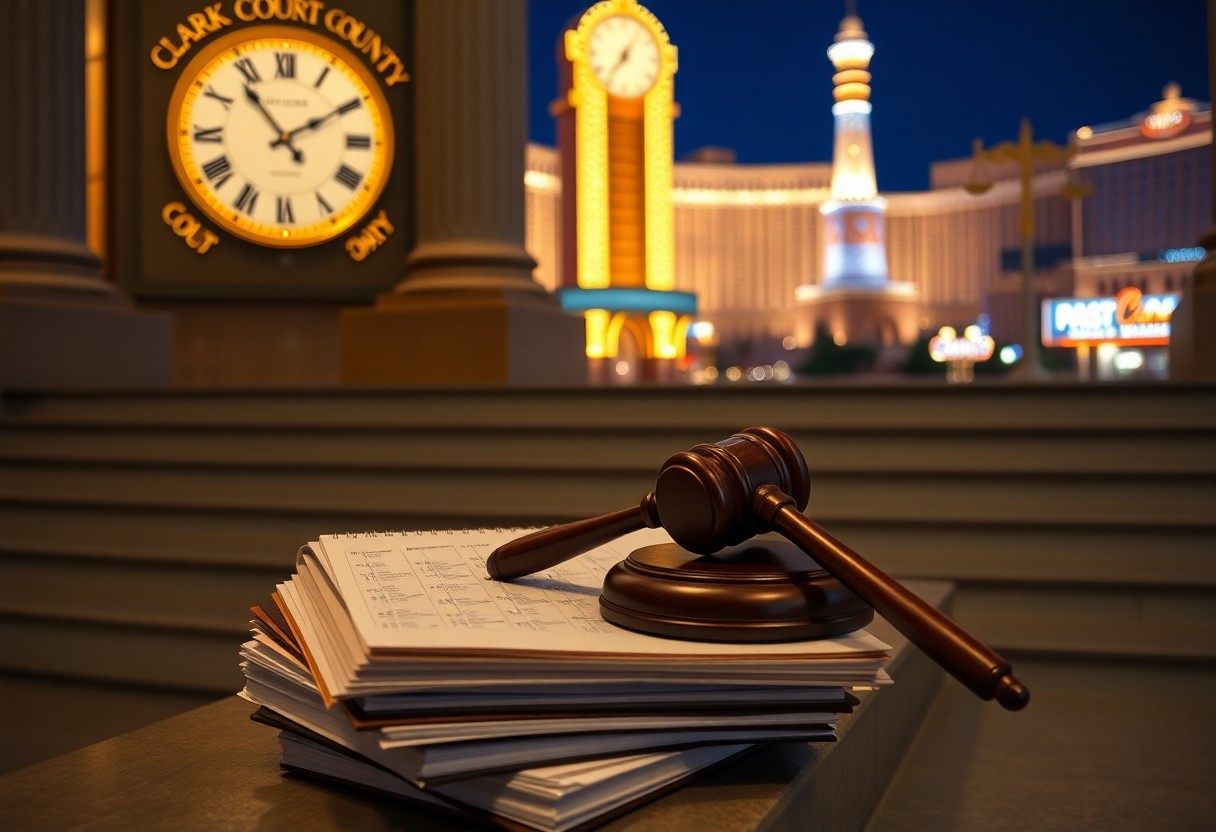
How Long Criminal Cases Typically Take in Las VegasMay 2, 2026UncategorizedCases in Las Vegas move at different speeds depending on the charge, court schedule, and legal decisions you make. Misdemeanors often resolve in weeks or a few months, while felonies can take six months to over a year. Your choices, evidence, and attorney’s strategy directly impact how quickly your case concludes.
The Grinding Gears of Clark County
Clark County’s criminal court system moves at a pace shaped by caseloads, staffing, and courtroom availability. You’re likely to feel the delay from the first hearing to the final resolution. Each case threads through a congested system where time stretches unpredictably, influenced by procedural steps and judicial calendars.
Initial Arraignment Fever
You face your first court appearance within days of arrest, usually at Justice Court. This arraignment sets the tone-charges are read, your rights explained, and a plea entered. The speed feels rushed, but decisions here ripple through every stage ahead.
Bail and the First Hurdle
Bail determines whether you remain free during proceedings or stay behind bars. Judges weigh flight risk, criminal history, and charge severity when setting conditions. Your ability to post bond often shapes your defense strategy and mental readiness for what follows.
Bail isn’t just a financial checkpoint-it’s a turning point in your case. If you can’t afford release, you’ll navigate pretrial restrictions that affect employment, housing, and family life. Even with a public defender, limited access to investigators and experts while incarcerated puts you at a disadvantage. Judges sometimes reconsider bail during review hearings, especially if new evidence or stable housing is presented. Your attorney may file a motion to reduce bail, but approval depends on the judge’s discretion and courtroom trends at the time. Being detained early often leads to longer case resolution times, simply because preparation from jail is harder.
The Misdemeanor Sprint
Most misdemeanor cases in Las Vegas move quickly through the system, often resolving within weeks rather than months. You can expect your first court date shortly after arrest, and if you’re facing charges like petty theft or DUI, the timeline stays tight. Judges prioritize these cases to keep court calendars clear, so delays are rare unless you request more time.
Municipal Court Velocity
Las Vegas Municipal Court handles lower-level offenses with remarkable speed. You’ll typically appear before a judge within 48 hours if booked into jail. Hearings are scheduled in rapid succession, and the court pushes for resolution in under 60 days. This fast track means you won’t wait long for a final outcome.
Quick Plea Windows
Prosecutors often offer plea deals early in the process, sometimes as soon as your arraignment. You may qualify for reduced charges or penalties if you accept a deal quickly. These early resolutions help ease court congestion and can work in your favor if you act promptly.
Early plea opportunities usually appear within the first few court appearances. You might receive an offer before discovery is complete, especially in cases like trespassing or minor drug possession. While it’s tempting to wait, accepting a timely deal can mean lighter consequences, especially if your evidence is weak or your prior record is clean. Always consult your attorney before deciding.
Felony Marathons in the High Desert
Las Vegas courts often stretch felony cases over months, sometimes years, due to crowded dockets and procedural delays. You face a system where time works against momentum, turning each step into a test of patience. Speedy trial rights exist, but practical realities mean you wait longer than expected, even for serious charges.
Preliminary Hearing Pitfalls
A judge decides if there’s enough evidence to move your case forward at this stage. You might assume it’s a formality, but prosecutors can delay it for weeks, and weak defense preparation can hurt your position. Missing this window narrows future options.
District Court Drags
Once your case lands in district court, scheduling conflicts and overloaded calendars slow everything down. You’re now in the longest phase, where motions, discovery, and negotiations stretch timelines. Judges set dates months apart, leaving you in limbo.
Discovery alone can take months as prosecutors release evidence in waves, and your attorney needs time to review each batch. Pretrial hearings on suppression or bail add more dates to the docket. You may request a trial date, but available slots are scarce. This phase often lasts six months to over a year, depending on case complexity and court availability. Your choices-pleading, pushing to trial, or negotiating-affect how long you remain in the process.
The Discovery Fog
Every criminal case in Las Vegas enters a phase where information moves slowly and details remain unclear. You’re often left waiting as prosecutors and defense teams exchange evidence, a process that can stretch for weeks or months. This delay isn’t inefficiency-it’s procedure. Your case is caught in the necessary, if frustrating, rhythm of legal transparency.
Sifting Through the Evidence
Discovery materials can include hundreds of pages of police reports, witness statements, and digital records. You must review each document carefully, as small inconsistencies may shape your defense. Your attorney will identify what supports your position and what could be used against you, turning raw data into strategy.
Forensic Lab Limbo
Lab analysis often creates unavoidable delays in your case timeline. You may wait weeks-or longer-for results from DNA, toxicology, or ballistics tests. The Clark County crime lab operates under heavy caseloads, and your evidence sits in a queue alongside others, advancing only as resources allow.
Processing forensic evidence isn’t instantaneous, even when urgency feels high. You should expect bottlenecks, especially with specialized tests requiring rare equipment or expert technicians. These delays aren’t unique to your case-they’re systemic, built into how public labs manage volume with limited staffing. Your attorney can sometimes request expedited testing, but approval depends on the nature of the charges and available capacity.
Backroom Deals and Neon Shadows
In Las Vegas, justice doesn’t always play out in front of juries. You’ll often find resolutions shaped in quiet offices, where deals are negotiated under the glow of Strip lights just blocks away. These unseen negotiations influence how fast your case concludes.
The Art of the Plea
You can save months by accepting a plea deal early. Prosecutors often offer reduced charges if you agree quickly, avoiding trial delays. Your attorney’s skill in negotiating terms directly affects the outcome and timeline of your case.
Prosecution Pressure Points
Case backlogs and staffing shortages shape how aggressively prosecutors pursue convictions. You may notice delays when courts are overloaded, giving you leverage to push for dismissals or better offers during weak enforcement periods.
Overburdened district attorney teams sometimes struggle to keep up with filing deadlines or evidence disclosure, especially during peak arrest seasons. You can use these operational hiccups to challenge procedural missteps, potentially shortening your case or improving negotiation standing. Judges often respond to these delays by pressuring prosecutors to resolve matters efficiently.
The Trial Grind
Delays are common once your case reaches trial. Courtroom schedules shift constantly, and judges often juggle multiple cases, leaving you waiting for your turn. Prosecutors and defense attorneys may request continuances, pushing dates further. You’ll need patience as the system moves at its own pace, often stretching weeks or months beyond initial estimates.
Jury Selection Stalls
Choosing jurors can take longer than expected. Attorneys carefully screen each candidate, and either side can challenge potential jurors without stating a reason. If the pool lacks impartial candidates or court availability is limited, your trial start date may slide by days or even weeks.
The Verdict Watch
Waiting for a decision tests your patience. Juries don’t always return a verdict quickly-some deliberate for hours, others take days. You won’t know the outcome until the court reconvenes, and during that time, uncertainty is unavoidable. Stay prepared for any result.
Jurors often retreat to closed rooms with little communication, leaving everyone in suspense. They may request evidence to be replayed or re-read, signaling careful review. While some cases resolve swiftly, others linger in deliberation, especially with complex facts or conflicting testimony. Your attorney will monitor updates and notify you the moment a verdict is reached.
Final Words
Considering all points, you face variable timelines in Las Vegas criminal cases depending on case complexity, court schedules, and legal decisions. Misdemeanors may resolve in weeks, while felonies often take months or longer. Your cooperation, plea choices, and attorney’s strategy directly influence how quickly your case concludes. […]
Read more…

What Rights You Have During a Traffic Stop in NevadaMay 1, 2026UncategorizedTraffic stops can happen at any time, and knowing your rights protects you during interactions with law enforcement. In Nevada, you have specific legal protections regarding what officers can ask, what you must provide, and how you can respond. This guide outlines exactly what you’re entitled to during a traffic stop-so you can stay informed and composed.
The Nevada Roadside Ritual
What to Expect When Pulled Over
You’ll notice flashing lights behind you-pull over calmly and safely to the right. Turn down the music, keep your hands visible, and wait for the officer to approach. Nevada law allows officers to ask for your license, registration, and proof of insurance. Answer questions clearly, but know you’re not required to consent to a vehicle search without a warrant or probable cause.
The Right to Remain Silent
You are not required to answer questions beyond providing your license, registration, and proof of insurance. Anything you say can be used against you in court. If you choose, you can calmly state, “I prefer not to answer questions.” Staying silent is within your rights and does not imply guilt.
Search and Seizure Protections
You have the right to refuse a search of your vehicle unless the officer has a warrant, probable cause, or you give consent. Police cannot legally search your car simply because you were pulled over. If they claim they feel a weapon is present during a pat-down, that may justify a limited search for safety. Always remain calm and clearly state you do not consent to a search.
Identification Statutes in the Silver State
You must provide identification when requested by an officer during a lawful traffic stop in Nevada if you are driving. Nevada operates under “stop and identify” laws, meaning law enforcement can ask for your name, address, and date of birth if they have reasonable suspicion. Failing to comply may lead to extended detention or legal consequences.
Documentation and Recording
You have the right to present your driver’s license, registration, and proof of insurance when asked during a traffic stop in Nevada. You’re also allowed to record the interaction with your phone, as long as it doesn’t interfere with the officer’s duties. Law enforcement cannot seize your device without a warrant, and you’re under no obligation to stop filming if you’re not obstructing the process.
The Exit Command
You may wonder why an officer asks you to step out of your vehicle during a traffic stop. In Nevada, law enforcement has the legal right to order you out of the car for safety reasons, even if you haven’t done anything wrong. This applies whether you’re driving or a passenger. Compliance is required, but the request must be reasonable and not used as a pretext for an unlawful search.
Conclusion
Now you know your rights during a traffic stop in Nevada. You have the right to remain silent, to refuse a search without a warrant, and to record the interaction. You must provide your license, registration, and proof of insurance when asked. Stay calm, be respectful, and know that you are protected under the law. […]
Read more…

Las Vegas Criminal Defense Lawyers Protecting Your RightsApril 12, 2026UncategorizedMany times you face criminal charges and need assertive legal advocacy; Las Vegas criminal defense lawyers protect your rights, challenge evidence, and pursue fair outcomes for you.
Navigating the Las Vegas Criminal Justice System
Courtrooms in Clark County move quickly, and you need an attorney who anticipates hearings, filings, and plea negotiations while protecting your rights.
Understanding Clark County Court Procedures
Local court schedules, arraignments, and pretrial rules affect how you respond to charges; your lawyer monitors deadlines, files motions, and explains what to expect at each step.
The Role of the District Attorney vs. Defense Counsel
Prosecutors decide whether to charge and what plea offers to make, while your defense counsel gathers evidence, challenges admissibility, and advocates for reduced sentences or dismissal.
Your defense counsel evaluates witness credibility, files suppression motions when evidence was obtained unlawfully, consults experts, and crafts trial strategies aimed at undermining the prosecution’s case and protecting your freedoms.
Common Criminal Charges and Penalties in Nevada
Nevada law covers misdemeanors to felonies, with penalties ranging from fines and probation to lengthy prison terms; you should consult counsel early to protect bail, record sealing, and sentencing options.
DUI, Traffic, and Vehicular Offenses
Driving offenses like DUI, reckless driving, and hit-and-run carry license suspension, fines, and jail time; you face enhanced consequences for prior convictions or high blood alcohol levels.
Drug Possession, Theft, and Violent Felony Allegations
Possession, theft, and violent felony allegations can lead to steep sentences, asset forfeiture, and long-term collateral effects; you must act quickly to challenge evidence and explore plea alternatives.
Evidence such as lab reports, witness statements, or recovered property often determines charge severity; you should challenge chain of custody, consent, and lawful search to reduce charges, seek diversion, or avoid felony classification.
Essential Defense Strategies to Protect Your Freedom
Defense strategies focus on preserving your freedom by identifying procedural flaws, negotiating plea alternatives, and building fact-based arguments to reduce charges, dismiss counts, or limit penalties.
Challenging Probable Cause and Illegal Searches
You challenge probable cause by demanding suppression hearings, scrutinizing arrest affidavits, and exposing unlawful searches to exclude tainted evidence and weaken the prosecution’s case.
Investigating Evidence and Witness Credibility
Scrutiny of evidence and witness credibility helps you uncover inconsistencies, motives to lie, chain-of-custody gaps, and prior statements that can impeach testimony or create reasonable doubt.
Careful review lets you question forensic methods, verify expert credentials, re-interview witnesses, check timelines against physical evidence, and locate alibi witnesses; coordinated investigation often reveals biases, errors, or gaps that undercut the prosecution’s narrative and strengthen your defense.
Protecting Constitutional Rights During Police Interrogation
When officers question you, your lawyer ensures Miranda rights are honored, stops coercive tactics, and preserves evidence for court.
The Importance of Invoking the Right to Silence
You protect yourself by clearly invoking your right to remain silent; officers must stop questioning, and your attorney can address any statements made in custody.
Identifying Law Enforcement Procedural Errors
Experienced counsel spots procedural errors such as illegal searches, flawed lineups, or unrecorded interrogations that can lead to evidence suppression and strengthen your defense.
Documenting officer conduct lets you and your attorney build suppression arguments-preserve body-worn camera and cellphone video, secure witness statements, track chain-of-custody records, and obtain internal reports; your lawyer can then file motions to suppress unlawfully obtained evidence, challenge officer credibility at a hearing, and use procedural violations to seek favorable plea terms or dismissal when the prosecution’s case is tainted.
The Impact of a Criminal Conviction in Southern Nevada
Convictions in Southern Nevada can affect your liberty, finances, and reputation, triggering fines, incarceration, license restrictions, and long-term barriers to employment and housing.
Collateral Consequences on Employment and Housing
Employers often view convictions unfavorably, which can block your hiring, promotion, or rental applications and result in eviction or denied housing opportunities.
Options for Record Sealing and Expungement
Sealing or expungement can limit public access to records so you can pursue jobs, housing, and professional licenses more easily when eligibility criteria are met.
Eligibility hinges on offense classification, completion of sentence, restitution, and statutory waiting periods; serious felonies and certain sex offenses are often excluded, so you should consult counsel to prepare and file the proper petition.
Navigating the Bail and Pre-Trial Process
You need swift legal action during bail and pre-trial stages to limit jail time, secure release, and shape defense strategy; your lawyer files motions, argues for reasonable bond, and coordinates with family or sureties.
Securing Release from the Clark County Detention Center
Bail at the Clark County Detention Center requires timely hearings, bond paperwork, and possible citation releases; you rely on counsel to request reduced bonds, arrange sureties, or pursue supervised release while handling detention logistics.
Preparing for Preliminary Hearings and Arraignments
Arraignments and preliminary hearings fix charges and bail; you must have counsel ready to challenge probable cause, file suppression motions, and present early defenses to avoid unnecessary detention.
Before hearings your attorney will analyze discovery, identify weaknesses in police reports, draft motions to dismiss or suppress, subpoena witnesses, and negotiate with prosecutors; you should attend prep sessions to practice testimony, review plea consequences, and approve tactical decisions aimed at reducing charges or securing favorable terms.
Summing up
Taking this into account, you can rely on Las Vegas criminal defense lawyers to challenge evidence, protect your constitutional rights, and pursue favorable outcomes through skilled advocacy and courtroom experience. […]
Read more…