
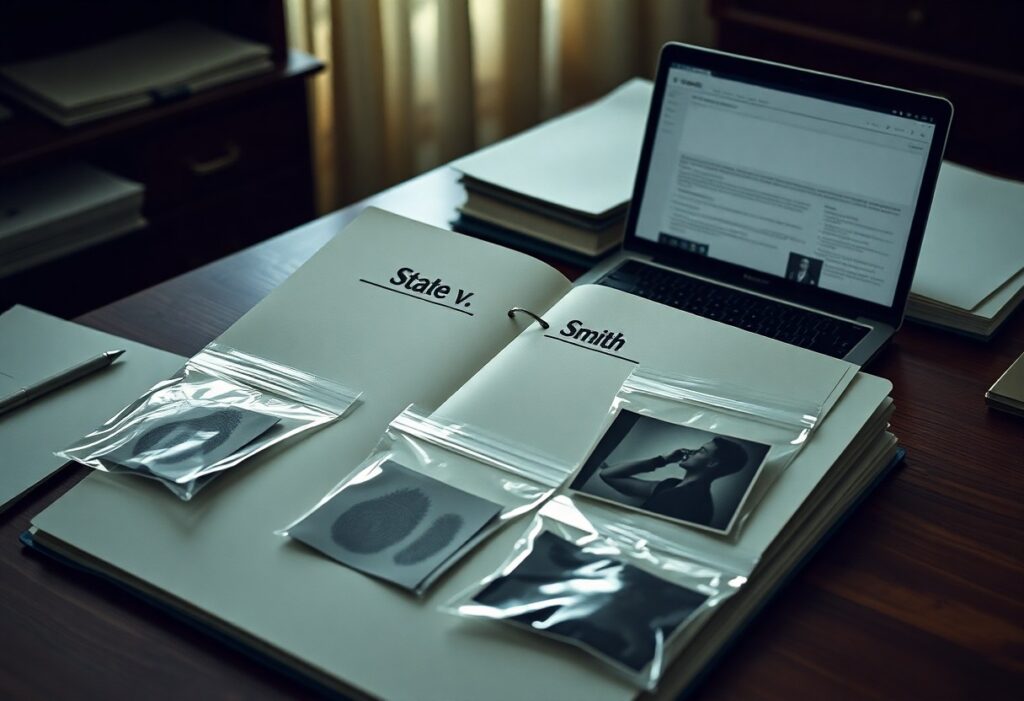
Over months or even years, prosecutors gather evidence, interview witnesses, and work with law enforcement to construct a case against you. They rely on physical proof, expert testimony, and legal precedents to prove guilt beyond a reasonable doubt. Your actions, statements, and digital footprint may all become part of their strategy.
The Initial Harvest of Facts
You begin where the crime did-with the raw, unfiltered details collected in the earliest moments. Police reports, witness statements, and emergency calls form the foundation of what will become the prosecution’s narrative. Every word recorded at the scene carries weight, shaping how events are later interpreted in court.
Scrutinizing the First Response Records
You examine the initial police reports with precision, knowing they capture the first version of events. Dispatch logs, officer observations, and early witness accounts often reveal inconsistencies or overlooked clues. These documents set the tone for the investigation and can make or break the case’s credibility.
Preserving the Cold Reality of the Crime Scene
You rely on photographs, videos, and detailed logs to maintain an unaltered view of the scene. These records freeze the environment exactly as officers found it-blood spatter, broken glass, personal items out of place. This visual truth becomes a silent but powerful witness in court.
Preserving the cold reality of the scene means more than just taking pictures. You secure physical evidence under strict chain-of-custody rules, ensuring nothing is contaminated or lost. Forensic teams measure distances, collect trace materials, and document environmental conditions, all to recreate the moment with scientific accuracy. This meticulous process denies the defense any claim that evidence was manipulated or misinterpreted.
The Alchemy of Forensic Proof
You see science transformed into testimony when forensic experts turn trace evidence into courtroom narratives. Every fiber, fingerprint, or chemical reading undergoes rigorous analysis, shaping invisible details into persuasive facts. Prosecutors rely on this alchemy to link you to a crime scene or weapon, turning biological whispers into loud declarations of guilt.
Translating Laboratory Data into Guilt
Data from a lab report only gains meaning when an expert explains it in human terms. You hear precise measurements framed as certainty-“the DNA profile matches you with a one-in-a-billion chance of error.” This translation turns abstract numbers into a story the jury believes, making science feel personal and inescapable.
The Sacred Chain of Evidence Possession
Custody logs track every hand that touches a blood-stained shirt or a seized phone. You can challenge a case if a single transfer lacks documentation, because gaps cast doubt on whether evidence was altered. Prosecutors guard this chain fiercely-it’s the backbone of trust in forensic claims.
Each person who handles evidence signs a form noting the date, time, and purpose of access. From the officer at the scene to the forensic technician running tests, accountability is mandatory. You benefit from knowing this process isn’t casual-it’s structured to prevent tampering and preserve integrity. When the chain holds, the jury sees reliability. When it breaks, reasonable doubt takes root.
The Human Element of the Accusation
People shape the backbone of any criminal case. You rely on their words, memories, and willingness to step forward. Witnesses, victims, and informants carry weight that physical evidence alone cannot. Their credibility, demeanor, and consistency under scrutiny often determine the direction of your argument in court.
Cultivating the Testimony of Bystanders
Witnesses at the scene may hold overlooked details. You approach them with care, knowing their perception can shift under pressure. A calm interview, clear timeline, and open-ended questions help preserve accuracy. Their account, when consistent, adds texture and context no surveillance camera can capture.
The Delicate Handling of the Informant
Informants operate in shadows, and their cooperation comes with risks. You assess their motives, credibility, and potential biases before placing trust. Protecting their identity while verifying their information is part of your strategy. Their testimony can open doors-but only if handled with precision.
Working with an informant demands constant judgment. You know they may seek reduced charges, money, or personal leverage, so you cross-check every claim. Building rapport doesn’t mean blind acceptance; it means listening closely, documenting every interaction, and preparing for challenges to their reliability on the stand. Their value lies not in their story alone, but in how well you can defend it.
Constructing the Legal Narrative
You shape the case into a clear, compelling story that aligns evidence with legal standards. Prosecutors don’t just present facts-they frame them to show intent, opportunity, and guilt beyond a reasonable doubt. Your narrative turns scattered details into a coherent timeline the jury can follow and believe.
Mapping the Sequence of Events
Time matters in every criminal case. You lay out each action in chronological order, anchoring key moments with witness statements, digital records, or forensic data. This sequence shows how the defendant’s choices led directly to the crime, making the progression feel inevitable and undeniable.
Anticipating the Shadow of Doubt
Doubt is the defense’s most powerful tool. You identify weak points early and reinforce them with corroboration. By addressing inconsistencies before they’re raised, you deny the defense room to grow uncertainty in the jury’s mind.
Every gap in the timeline or unexplained detail gives the defense an opening. You strengthen your case by introducing evidence that preempts challenges-like alibi contradictions or forensic matches-before they become questions in jurors’ minds. Closing those gaps doesn’t eliminate doubt-it removes its foundation.
The Grand Jury Threshold
To proceed with serious criminal charges, prosecutors must first meet the grand jury threshold. You need enough evidence to convince a panel of ordinary citizens that probable cause exists to believe a crime was committed and you likely committed it. This standard is lower than proof beyond a reasonable doubt, but it still requires credible, admissible evidence.
Testing the Strength of the State’s Hand
Presenting evidence to a grand jury lets you gauge how compelling your case appears to neutral observers. You walk jurors through witness statements, forensic reports, and timelines to see where doubts may arise. This step reveals weaknesses before trial, giving you a chance to strengthen the investigation or adjust your strategy.
Securing the Formal Indictment
Once the grand jury votes to indict, you gain legal authority to move forward with prosecution. The indictment formally charges the defendant and outlines the alleged offenses. This step transforms a criminal investigation into a criminal case, setting the stage for arraignment and pretrial proceedings.
Securing the formal indictment is not just procedural-it’s strategic. You rely on the grand jury’s decision to lock in charges that align with the evidence while limiting defense opportunities to challenge the case’s foundation early on. A well-drafted indictment precisely frames the charges, cites applicable statutes, and supports the narrative you intend to prove at trial, giving you a solid platform to build upon.
The Final Polish Before the Arena
You’re now in the final stretch, where raw evidence and legal theory converge into a compelling narrative. Every document is vetted, each witness rehearsed, and the strategy fine-tuned. This phase isn’t about reinvention-it’s precision work, ensuring your case enters the courtroom with clarity, cohesion, and maximum impact.
Organizing the Catalog of Exhibits
Each exhibit must tell part of the story without overwhelming the jury. You number, label, and cross-reference every photo, document, and object, aligning them with witness testimony. A well-ordered exhibit list keeps the trial flowing and prevents last-minute confusion when timing matters most.
Refining the Opening Oratory
Your opening statement sets the tone, so every sentence must carry weight. You strip away legalese, focus on clarity, and build a timeline the jury can follow. This is where facts become narrative-simple, direct, and impossible to ignore.
Think of your opening as the first impression that shapes how jurors interpret everything that follows. You’re not arguing yet-you’re framing. The best openings lay out the evidence like a story already unfolding, letting jurors feel they’ve arrived at conclusions on their own. You rehearse pacing, emphasize key moments, and eliminate anything that distracts from the core truth you’re presenting.
Summing up
Following this process, you see how prosecutors gather evidence, interview witnesses, and align facts with legal standards to form a coherent case. They present this systematically in court, ensuring each element of the charge is supported. Your understanding of these steps reveals the precision and responsibility involved in pursuing justice.