
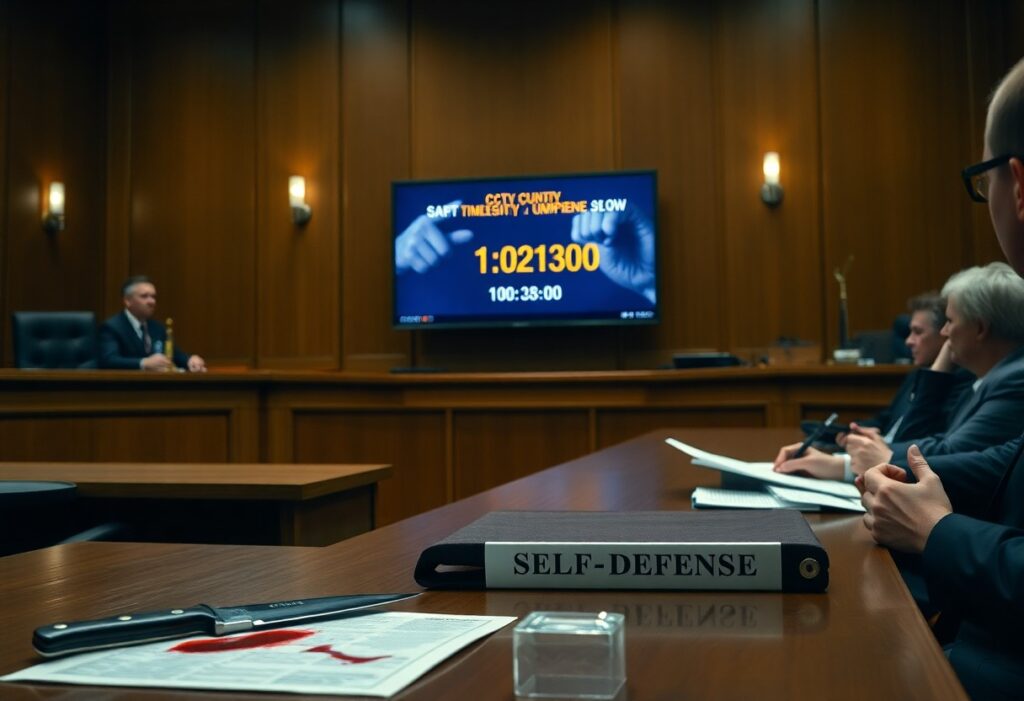
Most self-defense claims hinge on whether your actions were reasonable under the threat you faced. You must show you believed force was necessary to prevent imminent harm. Courts examine the situation as a whole, including the attacker’s behavior, your response, and whether you could have safely retreated.
The Anatomy of Fear
Fear shapes your perception in high-stakes moments, altering how you interpret threats. Your body reacts before your mind fully processes the danger, triggering instinctive responses. Courts examine whether your fear was reasonable under the circumstances, not whether it was objectively accurate. What matters is what you believed at that instant-and whether a reasonable person in your position would have acted the same.
The Calculus of Violence
You assess the level of force used in relation to the threat faced. Courts examine whether your response matched the danger in type and degree. A punch in response to a shove may be defensible; a firearm used after a verbal insult rarely is. Proportionality defines the boundary between protection and punishment.
The Geography of Survival
You carry your environment with you in every self-defense claim. The place where an encounter happens-whether a dimly lit parking lot, a crowded sidewalk, or your own home-shapes what a court views as reasonable fear. Jurors consider not just what you did, but where you did it, because danger presents differently in rural isolation than in urban density. Your surroundings inform whether retreat was possible or if standing your ground was the only viable choice.
The Burden of the First Word
Initiating the Claim
You must speak first when asserting self-defense, and that initial statement shapes the entire case. The moment you describe the threat, your words become the foundation investigators and prosecutors examine. Silence delays the narrative, often to your disadvantage. What you say right after the incident carries weight-too much detail may raise doubts, too little may seem evasive. Your account must be clear, consistent, and grounded in immediate perception.
The Jury’s Cold Eye
They watch your every move when you take the stand-your tone, your pauses, the way you hold your hands. The jury weighs your story not just for logic, but for authenticity. You’re not just explaining fear; you must make them feel it. Their judgment hinges on whether your actions match what they believe a reasonable person would do under fire.
Conclusion
From above, you see that self-defense claims are assessed based on reasonableness, immediacy, and proportionality of force. Courts examine your actions through an objective standard, weighing the threat you faced. Your belief in danger must be both genuine and one that a reasonable person would share under similar circumstances.