
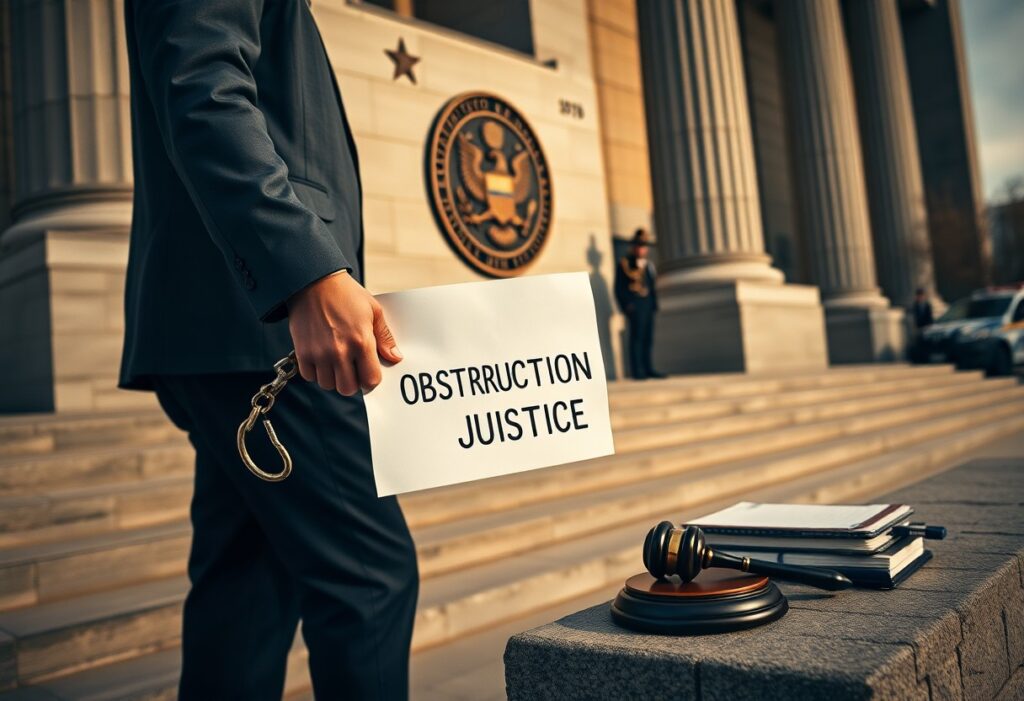
You may face serious legal consequences if charged with obstruction in Nevada. Law enforcement takes interference with an officer seriously, whether through physical resistance or withholding information. Convictions can result in fines, jail time, or both, depending on the circumstances. Your actions during a police encounter directly impact the outcome of your case.
The Nevada Obstruction Statute
You face charges under Nevada Revised Statute 199.160 if you knowingly obstruct, delay, or impede a public officer in the performance of their duties. This law applies even if the officer was acting within their authority. Your actions, whether physical interference or intentional interference through deception, can form the basis of an obstruction charge.
Immediate Consequences of Arrest
You will likely be taken into custody at the scene if charged with obstruction in Nevada. Police may detain you without a warrant when they observe behavior they interpret as interfering with law enforcement duties. Your personal belongings could be searched and inventoried, and you’ll be transported to a local jail for booking. This process includes fingerprinting, photographing, and holding you until arraignment, which typically occurs within 48 hours.
Misdemeanor Penalties and Fines
You face up to six months in jail if convicted of misdemeanor obstruction in Nevada. Fines can reach $1,000, and the court may impose both penalties. Your case could also include probation or community service. A conviction stays on your record, affecting future employment and opportunities. Judges consider the circumstances and your history when deciding your sentence.
Defense Strategies Against the Charge
You may challenge the prosecution’s evidence by showing you didn’t knowingly interfere with law enforcement. Officers must be performing a legal duty for obstruction to apply, so if their actions were outside legal boundaries, your conduct can’t meet the elements of the crime. Your attorney might argue you remained passive or simply refused to comply, which isn’t automatically obstruction under Nevada law.
Long-term Impact on Records
Your obstruction charge remains on your criminal record unless expunged, affecting future opportunities. Employers conducting background checks may view the charge unfavorably, even if you were not convicted. Licensing boards and educational institutions can access this information, potentially limiting professional or academic advancement. A conviction makes record sealing more difficult and extends waiting periods. You carry the consequences long after the case ends.
Conclusion
You face serious penalties if charged with obstruction in Nevada, including fines, jail time, and a criminal record. Law enforcement takes interference with official duties seriously, and the courts enforce the law strictly. Your actions during an encounter with an officer can directly impact the outcome of your case. Legal representation is necessary to protect your rights and challenge the charge effectively.