

Is a DUI a felony? Is it possible to plead down to a lesser charge like reckless driving or something else? These are all questions that people who have been charged with drunk driving may ask themselves.
DUI charges are often used by prosecutors to gain leverage in court. An experienced DUI lawyer can be the difference between a first-time offender and a felon. With an attorney on your side, you may only have to deal with fines, probation, or community service instead of jail time.
Some people may think that a DUI is not as serious as an actual felony, but this could not be further from the truth. A DUI can have severe consequences in your life, and it’s important to understand how they might affect you before you make any rash decisions.
What factors determine if a DUI is categorized as a felony?
- Is your blood alcohol content (BAC) more than .08%?
- Did you refuse to take a breathalyzer test?
- Were there any children in the car at the time of the arrest?
DUI can be classified as either a misdemeanor or felony. This classification is determined by three factors: whether or not they driver’s BAC was higher than 0.08%, if they refused to submit to a chemical test, and whether any children were present for when said chemical test occurred. If these are all true then DUI classifies as an aggravated driving under influence which means that it will likely become a felony charge rather than just being considered a standard DUI offense.
If someone has had only one previous conviction, but this person’s last arrest was their second (both within five years), then they may still get charged with misdemeanor instead of felony. However, if there were two different drinking and driving convictions within a five year span, the worst charge would be a Class C Misdemeanor followed by an infraction or class A misdemeanor. If you have more than three DUIs in ten to fifteen years your charges will most likely be felonies. The penalties vary depending on whether it is your first DUI offense or not as well as how many prior offenses are on record. Driving under influence can end up affecting everything from employment opportunities to social life.
Is a DUI a federal offense?
A DUI is not a federal offense unless it was committed in one of the following states: DC, Iowa, Kentucky or Missouri.
DUI charges should never be taken lightly and should be taken very seriously. To find out more about what could happen if you are found guilty for driving under influence, please contact an experience DUI defense lawyer for consultation. A DUI lawyer that wants to help ensure that all your questions have been answered before you take any action!
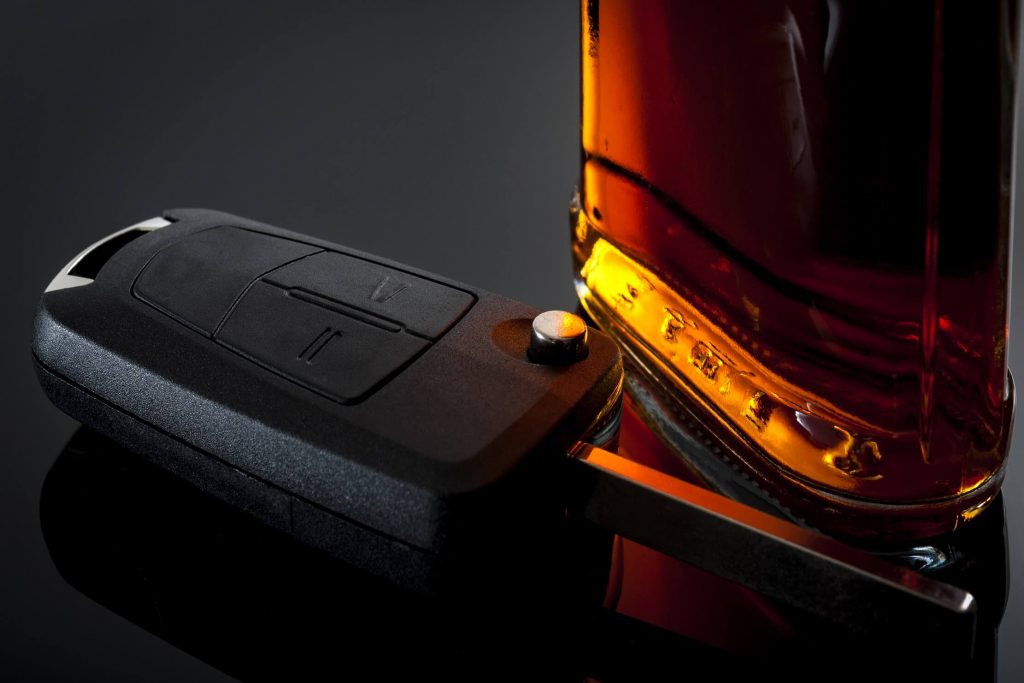
Do you know what happens after getting arrested for drunk driving?
Driving under the influence (DUI) or driving while intoxicated (DWI) is a serious crime, punishable by either jail time or fines and court fees. A person arrested for driving under the influence incurs serious criminal penalties, they are oftentimes required to undergo a mandatory medical evaluation.
A DUI is an important charge that carries consequences. If you are found guilty, it can lead to relatively minor requirements like paying a fine and attending alcohol education classes. For other cases, the injuries may result in mandatory treatment in an Alcohol Treatment Program.
People with a DUI conviction may face higher insurance premiums. The SR-22 may be required after the license is reinstated and there’s going to be some increase in the insurance premiums.
A DUI is punishable by a jail sentence, probation or fines. In some states the car will also require an ignition interlock device to be installed for 3 years following the conviction. If you drink and drive, driving a vehicle while intoxicated and endangering public safety is against the law.
If you have been arrested for DUI, it is important that you know what to do next. Driving under influence can affect everything from employment opportunities to social life – and even your freedom. You typically agree to implied consent laws when obtaining your driver’s license and every time you renew it. If you have a DUI conviction, police are more likely to order you to take roadside sobriety tests and breathalyzers when they pull over your car. If you don’t have a glass of wine with dinner, the court could upgrade your DUI charge to a felony.
Despite that, many lawyers will advise their clients not to submit a breath test. However, before taking any action, it is advisable to speak with an attorney who can advise the best course of action. Afterward, talk with the cops. A person cannot be forced to take a self-test or comply with the testing orders until they have been informed about their right to speak with an attorney.
Nevada Criminal Law Guide
Las Vegas, Nevada