
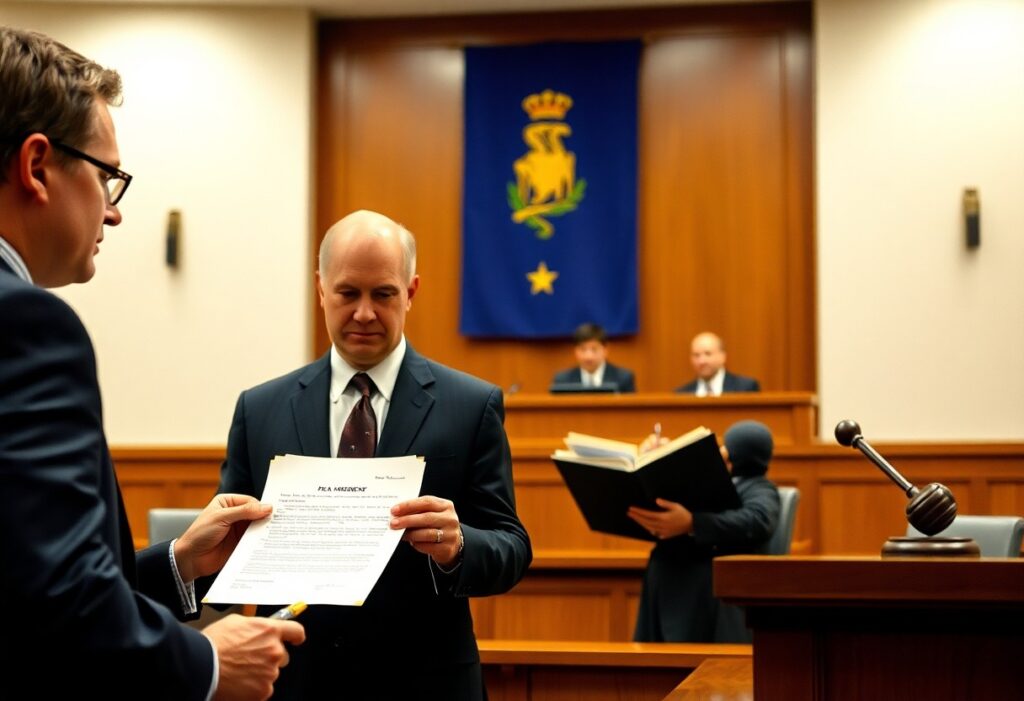
There’s a good chance you’ll face a plea bargain if you’re involved in a criminal case in Nevada. You can negotiate with prosecutors to accept a guilty plea to a lesser charge or receive a reduced sentence. The court must approve any agreement, and you must enter it knowingly and voluntarily. This process helps resolve cases efficiently while giving you some control over the outcome.
The Silver State Shakedown
Nevada’s criminal justice system runs largely behind closed doors, where most cases never see a jury. You face a process shaped by discretion, timing, and unspoken rules that tilt heavily toward resolution without trial. This is where plea bargains become the norm, not the exception.
The DA’s Hidden Cards
Prosecutors hold most of the power in Nevada plea negotiations, deciding which charges to file and what evidence to disclose. You rarely see their full case upfront, giving them leverage to push for early resolutions before you fully understand your position.
The Negotiated Surrender
You may agree to plead guilty to a lesser charge to avoid harsher penalties at trial. This deal, once accepted, becomes binding and ends the case immediately. Your defense attorney works to secure terms that reduce jail time or keep certain charges off your record.
When you enter into a negotiated surrender, the agreement must be approved by the judge, who reviews it for fairness and voluntariness. You’ll be asked in court whether anyone forced or pressured you into accepting the deal. The judge also confirms you understand the rights you’re giving up, including the right to a trial, to remain silent, and to confront witnesses. If the court accepts your plea, sentencing follows either immediately or at a later date, depending on the case. This process emphasizes finality-once the plea is entered, reversing it becomes extremely difficult, making careful consideration before acceptance crucial.
The Courtroom Reality
You stand in a Nevada courtroom after accepting a plea deal, but the process isn’t over. The judge must review and approve the agreement, ensuring you understand the consequences. This moment shifts control from negotiation to formal acceptance, where your rights and the terms are confirmed on the record.
Canvassing the Defendant
You’ll answer direct questions from the judge about your plea. This step confirms you’re pleading guilty or no contest voluntarily, with full understanding of your rights and the deal’s terms. The court wants clear evidence you’re not coerced and know the consequences of your decision.
Judicial Veto Power
A judge can reject your plea agreement if it doesn’t serve justice. You may expect approval based on prosecutor consent, but the court has final say. If the judge finds the deal too lenient or unsupported by facts, they’ll decline it without hesitation.
The judge’s authority to veto a plea isn’t arbitrary. Nevada law requires fairness and proportionality in sentencing. If your crime carries serious public safety concerns or the evidence doesn’t match the proposed resolution, the court may refuse the deal. This preserves judicial integrity and ensures outcomes align with legal standards, even when both parties agree.
The High Stakes of Silence
Choosing not to speak during plea negotiations can cost you more than you expect. Prosecutors may interpret silence as resistance, making them less likely to offer favorable terms. Your attorney needs your input to advocate effectively-without it, the prosecution holds all the leverage.
Forfeiting the Jury Trial
You give up your right to a jury trial when you accept a plea deal. That means no public hearing, no chance for neighbors or peers to weigh the evidence. The judge decides your outcome based on agreed facts, often without hearing your side directly.
The Long Shadow of a Record
A conviction stays with you long after the sentence ends. It can block job opportunities, housing applications, and professional licenses. Even misdemeanor pleas carry lifelong consequences that affect your freedom more than you might realize at the time.
Every criminal conviction, no matter how minor it seems, becomes part of your permanent record. Employers running background checks see the charge, the plea, and the outcome. You may lose eligibility for federal aid, face immigration consequences, or be barred from owning firearms. These effects ripple through years, shaping choices not by law, but by stigma and restriction.
Conclusion
Taking this into account, you now understand how plea bargains function in Nevada criminal cases. You see the process, your options, and the role of prosecutors and judges. You can make informed decisions about accepting a deal or going to trial, knowing the consequences and benefits each path brings.