

Most people are unaware of the rights they possess when facing accusations of white-collar crimes, such as fraud, embezzlement, or insider trading. Understanding these rights is necessary for navigating the legal complexities that follow an accusation. This post will guide you through the key protections available to you, ensuring that you are informed, prepared, and capable of defending your interests in such a serious situation. By knowing your rights, you can better advocate for yourself and make informed decisions during this challenging time.
Understanding White-Collar Crimes
While often perceived as less serious than violent crimes, white-collar crimes can have devastating consequences for individuals, businesses, and the economy. Understanding the nature of these crimes is necessary for anyone facing allegations, as they often involve deceit and manipulation in professional settings, damaging relationships and reputations.
Definition and Types of White-Collar Crimes
Around 1990, sociologist Edwin Sutherland coined the term “white-collar crime,” which refers to non-violent financial crimes committed by individuals or organizations in business settings. Here are some of the common types:
- Fraud
- Embezzlement
- Insider trading
- Money laundering
- Corporate espionage
Assume that understanding these distinctions helps you navigate the complexities of your situation.
| Type of Crime | Description |
| Fraud | Deception for monetary gain. |
| Embezzlement | Theft of funds entrusted to you. |
| Insider Trading | Trading based on confidential information. |
| Money Laundering | Disguising illicit funds as legitimate. |
| Corporate Espionage | Stealing trade secrets from competitors. |
Common Examples and Their Impact
Examples of white-collar crimes span various industries and can significantly affect economies and individuals. Some high-profile cases involve executives manipulating financial statements or companies conducting fraudulent stock sales. These actions often lead to loss of consumer trust and financial ruin for victims, resulting in legal repercussions and long-lasting consequences for those accused.
Types of white-collar crimes can vary widely in their methods and targets. For instance, corporate fraud can manipulate shareholder investments, leading to devastating financial repercussions. Embezzlement can impact employees reliant on their organizations’ financial health, while insider trading erodes market integrity. Understanding these examples is vital for recognizing the severe implications of white-collar crimes in your professional landscape.

Your Legal Rights
If you find yourself accused of a white-collar crime, it’s imperative to be aware of your legal rights. Knowing your rights can greatly impact the outcome of your case and protect you against potential abuses during the legal process. Being informed can empower you to navigate the complexities of the judicial system more effectively.
Right to Remain Silent
An important aspect of your legal rights is the right to remain silent. This means you have the option to refrain from answering questions or making statements that could incriminate you. Exercising this right can help prevent unintentional self-incrimination, which can be leveraged against you in court.
Right to Legal Counsel
Rights granted to you include the right to legal counsel. This right ensures that you can seek advice and representation from a qualified attorney who can advocate for your interests during questioning and in court proceedings.
Considering the complexities and potential consequences of white-collar crime allegations, having legal counsel is paramount. Your lawyer will help you understand the charges, navigate legal definitions, and defend your rights throughout the litigation process. This professional guidance is invaluable in formulating a strong defense and ensuring that your rights are fully protected.
The Role of Law Enforcement
Now that you understand your rights, it’s vital to grasp the role of law enforcement when dealing with accusations of white-collar crime. Law enforcement agencies, including the FBI and SEC, investigate financial crimes to protect consumers and uphold the law. Their methods can significantly impact the course of your case, and it’s vital to be aware of your rights during this process.
Investigative Procedures
Across various jurisdictions, law enforcement typically employs a range of investigative techniques to build their cases. This may include gathering documentary evidence, interviewing witnesses, and conducting surveillance. You have the right to know about these procedures, and understanding them can help you navigate the complexities of an investigation.
Your Interaction with Law Enforcement
About your interaction with law enforcement, it’s vital to know how to conduct yourself. From the moment you are approached by law enforcement, you have specific rights that protect you during questioning and searches. Understanding these interactions can help safeguard your interests and ensure you are treated fairly.
Understanding your interaction with law enforcement is vital, as how you respond can affect the outcome of your situation. Always remember to remain calm and polite, and exercise your right to remain silent if necessary. It’s advisable to seek legal counsel before engaging deeply with law enforcement. A knowledgeable attorney can guide you through the process, ensuring that your rights are upheld and that you avoid potentially self-incriminating statements during questioning.
The Charges Against You
For anyone accused of a white-collar crime, understanding the nature of the charges is crucial. The allegations can encompass a range of offenses, including fraud, embezzlement, insider trading, and money laundering. Each charge carries distinct legal implications and Defense strategies, so being well-informed about the specifics is vital for effectively navigating the legal system.
Understanding the Charges
Charges related to white-collar crimes can be complex, often involving intricate financial transactions and legal terms. You’ll need to carefully review the case against you, including the evidence and the specific laws being cited. Clarity about the charges helps you formulate a robust defense strategy.
Potential Penalties and Consequences
Against these charges, you may face serious repercussions including hefty fines, restitution, and prison time. White-collar crimes can result in severe penalties, often more extensive than you might expect for similar violent offenses. The severity of the consequences largely depends on the severity of the crime and whether you have prior convictions.
Potential outcomes can vary widely. For instance, a conviction for fraud could lead to years of incarceration and financial penalties reaching millions. Additionally, being found guilty might result in a permanent criminal record, affecting your future employment, professional licenses, and personal reputation. Understanding these potential penalties and planning your defense accordingly is key to mitigating the impact of these charges.
Navigating the Legal Process
After you are accused of a white-collar crime, understanding the legal process becomes vital. This journey can be complex and intimidating, but being informed about each stage can empower you to make better decisions. From your initial arraignment to potential plea negotiations, knowing what to expect can help you prepare for the road ahead and advocate effectively for your defense.
Pre-Trial Considerations
Besides hiring a qualified attorney, it’s vital to gather all relevant documents and evidence related to your case. Engaging in open communication with your lawyer will allow you to discuss strategies, understand the charges against you, and consider whether to negotiate a plea deal or proceed to trial. Being proactive during this phase can significantly impact the outcome of your case.
Trial Proceedings and Your Rights
About the trial, you have various rights that protect you throughout this process. You are entitled to a fair and impartial trial, the presumption of innocence, and the right to confront witnesses against you. Understanding these entitlements is vital in ensuring that your case is handled appropriately in a court of law.
At each stage of the trial proceedings, your rights serve as the foundation of a fair legal process. You have the right to present evidence in your defense, have your legal representation communicate with you, and to testify if you choose to do so. Familiarizing yourself with these rights allows you to participate actively in your defense and ensure that no procedural missteps occur during the trial, ultimately contributing to a more favorable outcome for your case.

Defending Against Accusations
Despite the weight of the accusations, you have the right to defend yourself against white-collar crime allegations. Understanding the legal landscape and your rights is imperative when navigating such complex charges. Engaging a skilled attorney can help you formulate an effective strategy, manage your case, and ensure your voice is heard in the process. It’s vital to approach these accusations with a clear head and a proactive mindset to protect your interests.
Legal Defense Strategies
By leveraging various legal defense strategies, you can enhance the chances of a favorable outcome. Strategies may include demonstrating a lack of intent to commit a crime, challenging the validity of the evidence presented, or negotiating plea deals when appropriate. A knowledgeable attorney can help you analyze the specifics of your case and determine the most effective route to pursue.
Importance of Evidence and Documentation
Along with crafting a legal defense, the importance of evidence and documentation cannot be overstated. Every piece of evidence can either strengthen your case or undermine it, making it imperative to gather and preserve relevant information.
Documentation plays a significant role in building your defense strategy. Detailed records, emails, contracts, and other pertinent materials can provide context, clarify your actions, and demonstrate your intentions. Properly documenting your interactions and decisions not only aids in refuting false claims but also demonstrates transparency and accountability. Collecting and organizing this information early on can be a decisive factor in your case’s outcome.
Final Words
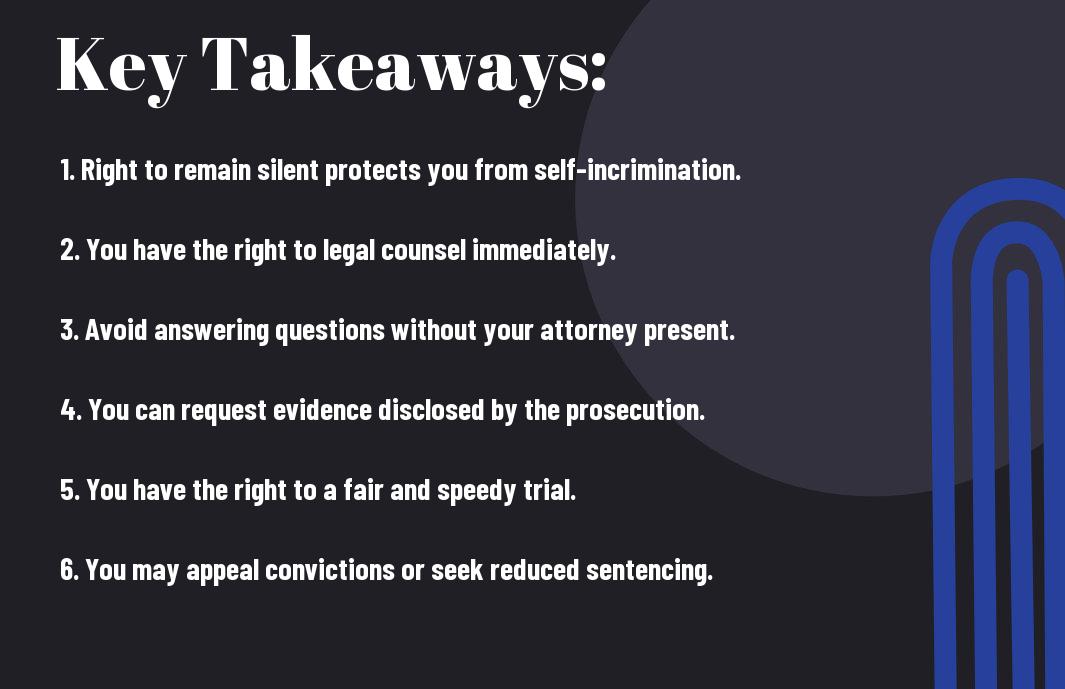
Taking this into account, understanding your rights when accused of a white-collar crime is crucial for effectively navigating the legal landscape. You have the right to remain silent and the right to legal counsel, which can significantly impact the outcome of your case. Familiarize yourself with the legal process and the charges against you, as this knowledge will empower you to defend your interests. Always approach these situations with caution and seek professional guidance to ensure your rights are protected throughout the proceedings.