
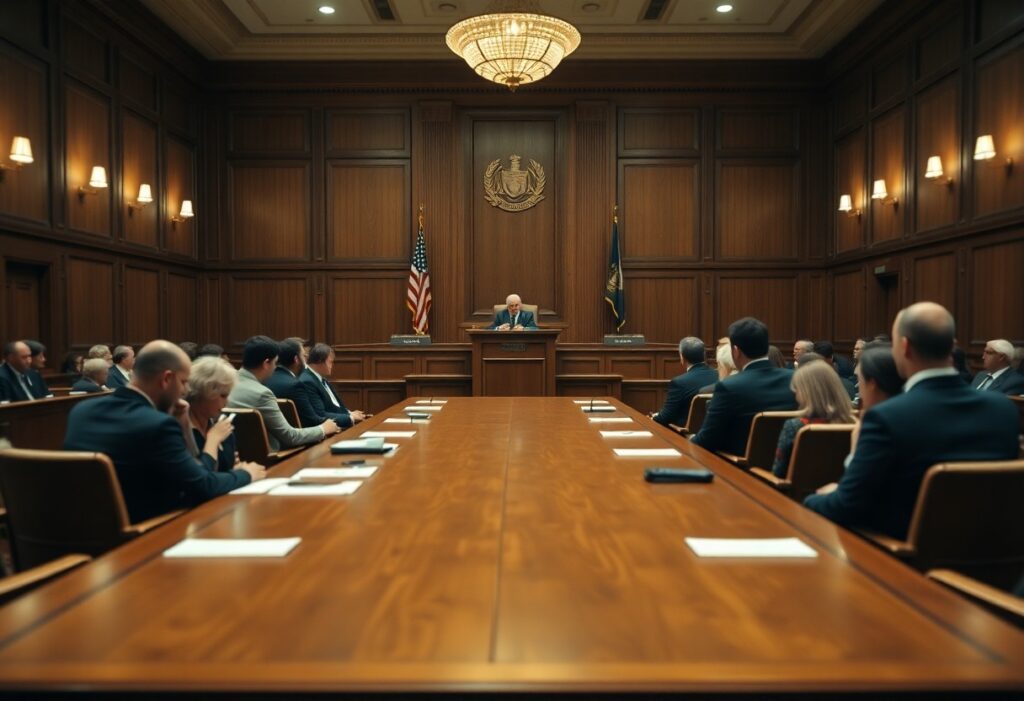
With your understanding of the legal system, knowing what a grand jury is and how it operates can greatly enhance your perspective on criminal proceedings. A grand jury is a group of citizens convened to review evidence presented by prosecutors to determine if there is sufficient cause to indict a suspect and proceed to trial. This blog post will explore the functions, processes, and importance of grand juries in the legal framework, equipping you with imperative knowledge about this often misunderstood aspect of the judicial process.

Definition of a Grand Jury
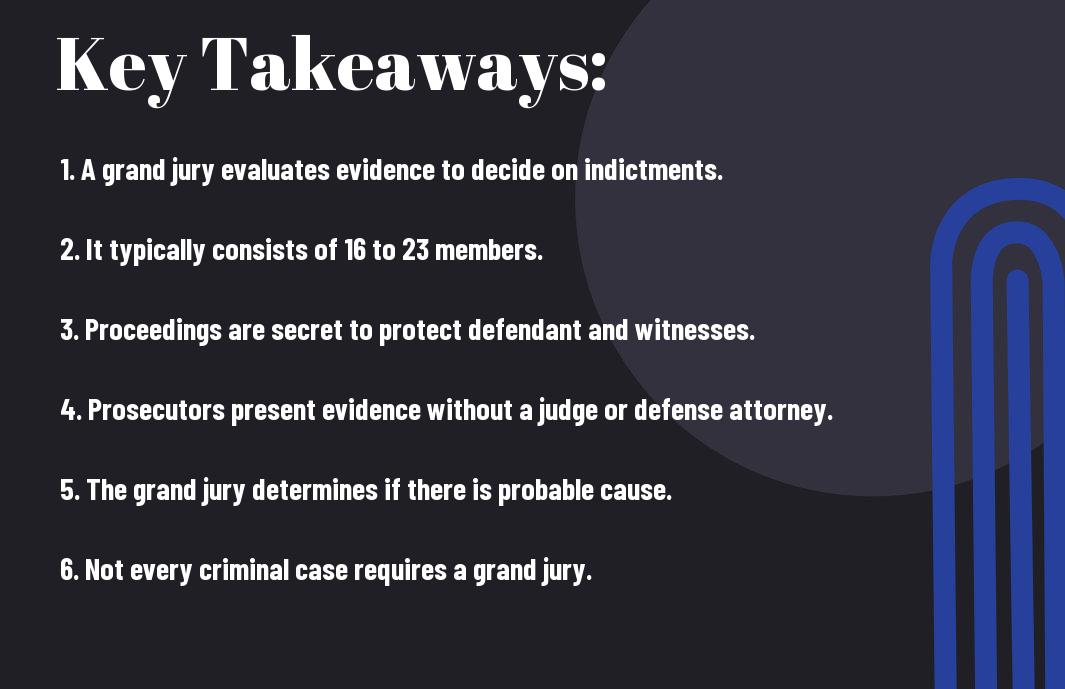
A grand jury is a legal body that is composed of citizens tasked with reviewing evidence to determine whether there is enough cause to formally charge an individual with a crime. Unlike a trial jury, which decides guilt or innocence, the grand jury’s function is primarily investigative, allowing them to assess whether a case warrants prosecution. Typically, the grand jury operates in secret to protect the privacy of those involved and the integrity of the investigative process.
Purpose of a Grand Jury
Beside serving as a safeguard against unwarranted prosecutions, the grand jury’s purpose is to evaluate the validity of evidence presented by prosecutors. This allows for a check on government power and ensures that there is a reasonable basis for moving forward with serious criminal charges. The grand jury helps uphold justice in the legal system by acting as a buffer between the state and its citizens.
Difference Between Grand Jury and Trial Jury
Below, you will find a key distinction: while a grand jury investigates and determines if there is enough evidence to bring charges, a trial jury listens to evidence in a court trial to decide on the guilt or innocence of the accused. Grand juries typically consist of larger groups of jurors and operate in secrecy, whereas trial juries are made up of fewer jurors and operate in open court proceedings.
At the core, grand juries are a foundational component of the pre-trial phase in criminal proceedings. You engage with a grand jury’s findings when charges are initiated against a suspect. In contrast, trial juries, which reflect the community’s conscience, evaluate the evidence presented in a public courtroom, ensuring that convictions are based on fairness and transparency. Understanding these distinctions helps clarify your role in the legal process, whether as a potential juror or as someone interested in the workings of the justice system.

Composition of a Grand Jury
The composition of a grand jury typically consists of a panel of citizens selected from the community to perform a vital role in the legal system. These jurors are responsible for reviewing evidence presented by prosecutors and determining whether there is enough cause to bring criminal charges against an individual. The size of a grand jury can vary, often comprising 16 to 23 members, depending on jurisdiction.
Selection Process
Across various jurisdictions, the selection process for grand jurors generally involves summoning potential candidates from a pool of registered voters or residents. This process results in a random selection, ensuring that a diverse representation of the community is included. You may find that the selection can involve screening for potential biases or conflicts of interest to maintain the integrity of the jury.
Juror Qualifications
Composition of a grand jury requires that jurors meet specific qualifications. To serve, you typically need to be a U.S. citizen, at least 18 years old, and a resident of the jurisdiction where the grand jury is being convened. Additionally, you should have no pending felony charges or significant legal disqualifications that could hinder your ability to deliberate impartially.
Considering these qualifications is important for ensuring that every juror can act fairly and without prejudice. You might also need to demonstrate a basic understanding of the legal system, as grand jurors engage in discussions that may influence significant legal outcomes. The aim is to select individuals who can weigh the evidence thoughtfully and contribute to the overall decision-making process effectively.
Functions of a Grand Jury
Once again, the grand jury plays a significant role in the judicial system, serving two primary functions: the investigation of criminal activity and the issuance of indictments. These functions ensure that there is enough evidence to move forward with prosecution, safeguarding individuals’ rights while allowing law enforcement to investigate effectively.
Investigation of Criminal Activity
By investigating potential criminal activity, the grand jury examines evidence presented by the prosecution and can call witnesses to testify. This process helps determine whether there is sufficient evidence to justify criminal charges, allowing the grand jury to fulfill its role as a check against unsubstantiated accusations.
Issuing Indictments
Among the critical responsibilities of a grand jury is the power to issue indictments, formally charging individuals with crimes after reviewing the evidence. An indictment is a legal document that initiates criminal proceedings and indicates the grand jury believes there is enough evidence to warrant a trial.
Considering the seriousness of issuing indictments, grand juries typically deliberate in secrecy to maintain confidentiality around ongoing investigations. This procedure ensures that the accused’s reputation is protected unless proven guilty and prevents potential witnesses from being influenced prior to the trial. The indictment signifies a significant step in the judicial process, as it transitions a case from investigation to prosecution, emphasizing the role of the grand jury in upholding justice.
Grand Jury Proceedings
Now that you understand the basics of a grand jury, it’s crucial to explore how the proceedings unfold. Grand jury sessions typically involve jurors hearing evidence presented by the prosecutor, which may include witness testimonies and documents. Unlike trial juries, grand juries do not determine guilt or innocence but rather assess whether there is enough evidence to bring formal charges against a suspect.
Process Overview
At the beginning of the grand jury process, prosecutors present the case by providing evidence and calling witnesses. Jurors may ask questions during the proceedings to clarify information. After all evidence is heard, the jurors deliberate in private to decide if there’s probable cause to issue an indictment, thus setting the stage for potential prosecution.
Secrecy and Confidentiality
To ensure impartiality and protect the integrity of the investigation, grand jury proceedings are conducted in secrecy. This means that discussions, evidence, and witness testimonies are not disclosed to the public or the defendant. Such confidentiality serves to encourage open dialogue and truthful testimonies without the fear of external repercussions.
The secrecy of grand jury proceedings is fundamental to maintaining the confidentiality of sensitive information and protecting the reputations of individuals who may be investigated. By keeping deliberations private, the system aims to prevent public backlash against potential suspects and allows jurors to engage openly and honestly without outside influence. This ensures that the pursuit of justice is carried out with diligence and respect for all parties involved.
Role of Prosecutors and Witnesses
After a case is referred to a grand jury, the role of prosecutors and witnesses becomes vital in determining whether there is enough evidence to indict. Prosecutors present the case to the grand jury, guiding them through the evidence while witnesses provide testimonies that support or challenge the allegations. Your understanding of these roles can enhance your grasp of the grand jury process and its implications in the legal system.
Prosecutors’ Responsibilities
The main responsibility of prosecutors in a grand jury setting is to present evidence and facilitate the proceedings. They act as gatekeepers of information, ensuring that the evidence is clear and relevant to the charges under consideration. Their goal is to provide the grand jurors with enough context to make an informed decision without influencing their independent judgment.
Witness Testimony
After the prosecutors outline the case, witnesses come forward to share their experiences or observations related to the matter at hand. Your understanding of witness testimony is vital, as it can significantly influence the grand jury’s decision-making process.
Witness testimonies can range from direct accounts of events to expert opinions that clarify complex topics. Witnesses may include victims, law enforcement officers, or other individuals who have relevant information. Their contributions provide the grand jury with a fuller perspective of the case, enabling jurors to evaluate the strength of the evidence and make a more informed decision about any potential indictments.
Rights of the Accused
Many individuals facing grand jury proceedings have specific rights designed to protect them during the process. These rights ensure that you maintain a fair chance to defend yourself against allegations. Understanding these rights is important, as they play a key role in the judicial system and your experience during this often-overwhelming process.
Legal Representation
About your legal representation, you have the right to consult with an attorney during the grand jury process. A qualified lawyer can guide you and help you navigate the complexities you may encounter, ensuring your rights are respected and your interests are defended effectively.
Due Process Considerations
To ensure fairness, due process considerations are vital in a grand jury setting. You can expect procedures to be followed diligently, reflecting the legal standards that protect your rights during the proceedings.
Plus, these due process considerations encompass the opportunity for you to present evidence and testify if you choose, although you should be aware of the potential consequences of doing so. Furthermore, you have the right to receive notice of the charges against you, allowing you the chance to prepare your defense adequately. Understanding these due process components can significantly impact the outcome of the grand jury process.
Summing up
To wrap up, understanding what a grand jury is and how it functions is necessary for comprehending the legal system. A grand jury serves to evaluate evidence and determine whether there is sufficient cause to charge an individual with a crime. Your awareness of this process can empower you to better navigate or engage with legal proceedings, especially in cases that involve serious indictments. By recognizing the role of the grand jury in criminal justice, you gain valuable insight into how legal decisions are made before a trial even begins.