
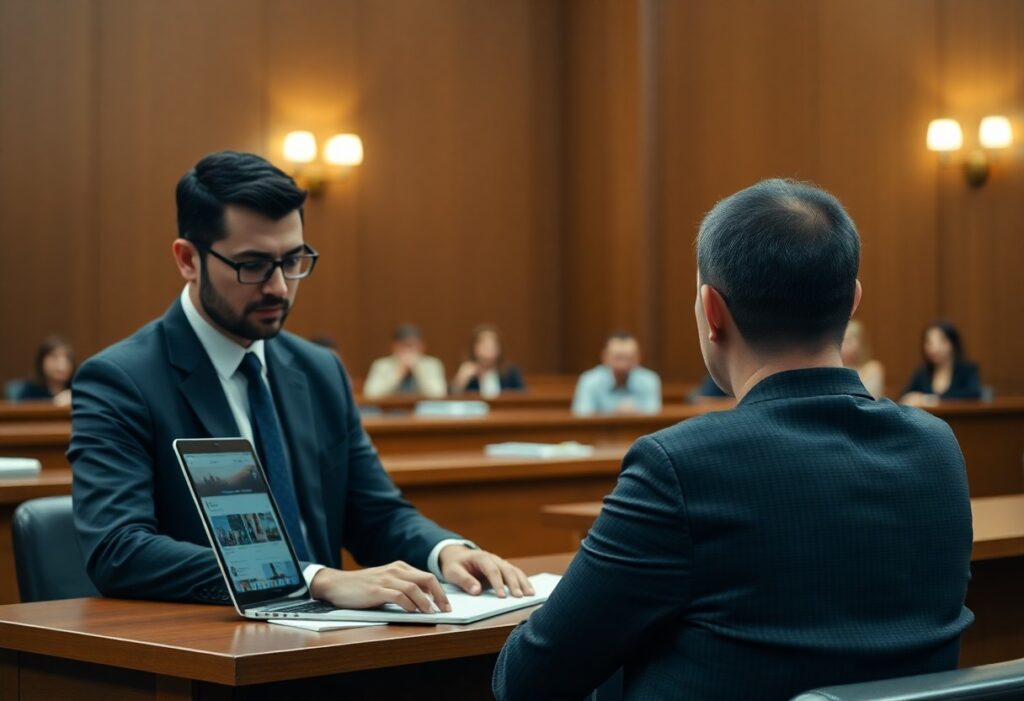
Social media can significantly impact your criminal defense case in ways you might not anticipate. Your online posts, comments, and interactions can be used as evidence against you, influencing public perception and even the opinions of jurors. Understanding how to navigate your social media presence during legal proceedings is vital for protecting your interests. In this blog post, we will explore the ways your digital footprint can be detrimental and provide strategies to safeguard your case while ensuring you’re aware of what to avoid online.
The Influence of Social Media on Legal Proceedings
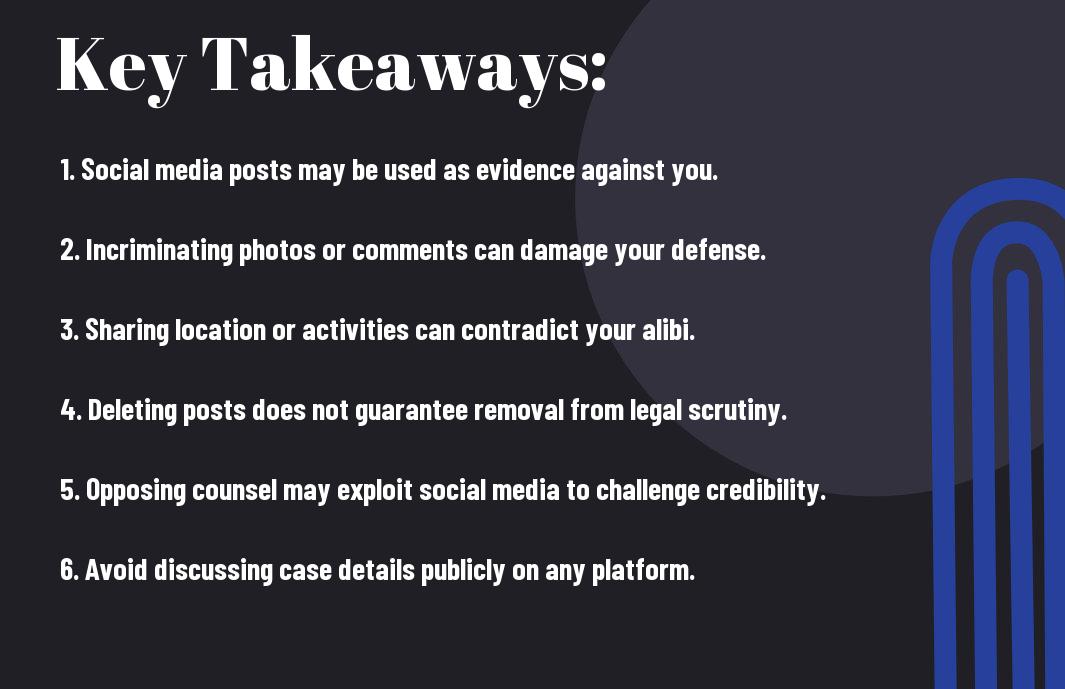
A growing number of legal cases are now directly affected by social media interactions. The digital footprint you leave can be scrutinized by both the prosecution and the defense, potentially tipping the scales in your case. Posts, comments, and even likes can serve as evidence or a narrative that colors public perception, which can, in turn, influence jury members and your overall defense strategy.
Social Media and Evidence Collection
Below, it’s important to recognize that social media can serve as a significant source of evidence in legal proceedings. Prosecutors often sift through your online activity to gather information or find inconsistencies in your statements. Anything you post, share, or comment on can be used against you, so maintaining discretion online is key during your case.
The Impact of Public Perception
Impact extends beyond the courtroom; your social media presence can shape public opinion about your case. If your posts are perceived negatively, they can tarnish your reputation and even sway potential jurors before they enter the courtroom. Hence, it’s crucial to consider how your online persona might be interpreted and to manage your social media activity carefully.
Plus, managing public perception involves being acutely aware of how your words and actions could be interpreted by an audience. In a high-profile case, the narrative isn’t just about legal facts; it’s also about how those facts are perceived by the public. This means that even innocuous posts may take on a different meaning in the context of your case. You need to be proactive in controlling your narrative to mitigate any potential negative impacts from your online presence.

Common Mistakes on Social Media
You may not realize it, but posting on social media can lead to serious mistakes that jeopardize your criminal defense case. It’s easy to become careless in the digital world, but understanding the potential pitfalls can help you maintain a strong defense. Being mindful of your online presence is important, as seemingly harmless posts can be used against you in court.
Incriminating Posts and Comments
For many, social media serves as a platform to express thoughts and opinions, but this can quickly become problematic. Incriminating posts, whether intentional or not, can serve as evidence against you. Even harmless comments about your situation can be taken out of context and used to support allegations in your case.
Oversharing Personal Information
To ensure the best outcome for your case, it’s important to avoid oversharing personal information online. Disclosing details about your legal situation can open you up to scrutiny and misinterpretation.
Also, oversharing can inadvertently reveal facts about your case that you might want to keep private. This includes anything from your whereabouts to conversations about your case with friends or family. Even well-meaning statements can be used to undermine your credibility or create doubts about your character. Always think carefully before posting anything that might be relevant to your legal situation.
Legal Implications of Social Media Use
For anyone involved in a criminal defense case, understanding the legal implications of social media use is crucial. Posts, comments, and even likes on social media can be scrutinized as evidence in court. Your online presence may inadvertently present information that could be damaging to your case, so it is important to approach social media usage with caution while your legal situation is ongoing.
Privacy Concerns
Concerns about privacy are valid when it comes to social media use during a criminal defense case. You may assume that your privacy settings keep your content hidden, but unguarded information can still be accessed by law enforcement and legal representatives. Your posts can be seen and used against you, even if shared within a seemingly private circle.
Consequences of Digital Footprints
The consequences of your digital footprints can have lasting effects on your case. What you share online can be stored indefinitely, and even deleted posts may still be retrievable by forensic tools. Your digital history can be used to establish a narrative that undermines your defense. Being mindful of your online presence is crucial as anything you post could be analyzed for relevance to your criminal case.
Plus, it’s not just about what you currently post; past activity can also be brought back into the spotlight, creating a snowball effect. The digital trail you leave can include comments, photos, and location check-ins that might contradict your statements or provide context that is unfavorable to your defense. Thus, managing your social media presence is vital to reducing the potential impact on your case.
Protecting Your Criminal Defense Case
After facing criminal charges, it’s vital to maintain the integrity of your defense. Protecting your case means being cautious about your online presence and understanding the potential implications of what you share on social media. The best approach is to limit your online activity and think critically about how your posts and interactions could impact your situation.
Best Practices for Social Media Use
Criminal cases can be sensitive, and your social media activity can easily be scrutinized. To safeguard your defense, avoid discussing the case online, refrain from sharing personal opinions about the legal system, and review your privacy settings. It’s best to minimize your social media engagement to prevent unintentional harm to your case.
Consulting Your Attorney
For effective protection of your criminal defense case, it’s important to consult your attorney about your social media use. Your attorney can provide guidance on what is acceptable to share online and what could potentially compromise your defense.
Protecting your case requires you to be proactive about your social media interactions. Your attorney can help you understand the legal landscape surrounding social media evidence and advise you on the best strategies for communicating online. By heeding their advice, you can avoid potential pitfalls that may arise from careless posting or commenting, ensuring that your defense remains strong throughout the legal process.
The Role of Attorneys in Navigating Social Media
To effectively navigate the complexities of social media, your attorney plays an necessary role in safeguarding your criminal defense case. They can help you understand the potential risks and implications of your online presence while providing strategic advice on how to handle digital communications. Your attorney’s expertise is invaluable in ensuring that you do not inadvertently compromise your case through careless online interactions.
Advising Clients on Online Presence
Beside guiding you through legal protocols, your attorney will offer tailored advice on managing your online presence. They will emphasize the importance of privacy settings and the potential consequences of sharing personal information. With their insights, you can better understand how posts, pictures, and interactions might be used against you in a legal context.
Monitoring Social Media Activity
Among the important tasks your attorney undertakes is monitoring your social media activity. Staying vigilant about your online presence allows them to identify any potentially damaging content and advise you on necessary adjustments to your digital footprint.
Monitoring your social media activity not only helps protect your case but also allows your attorney to stay ahead of any potential issues. By keeping track of what you share and how others engage with your content, they can alert you to red flags or harmful perceptions that may arise. In today’s digital age, proactive monitoring is an necessary element of a robust defense strategy.

Case Studies: Social Media Blunders in Criminal Cases
All too often, social media can become a detrimental factor in criminal defense cases. Here are some notable instances where social media use led to significant consequences:
- 1. A defendant’s Facebook post of a recent vacation led to the exposure of a fabricated alibi, resulting in a conviction.
- 2. A suspect’s Instagram story showcasing illegal activity directly contradicted their defense, swaying jury opinion.
- 3. Tweets made by an accused individual were used as evidence against them, leading to enhanced sentencing.
- 4. A well-known influencer’s careless selfie was used to undermine their claim of not being present at a crime scene.
Notable Examples
Before diving deeper into the topic, consider how these cases shed light on the importance of social media practices during your legal proceedings. Each example reveals how innocent postings can have severe ramifications on your defense strategy.
Lessons Learned
Lessons from these cases emphasize the importance of being cautious with your online presence. Social media can easily undermine your defense if not approached thoughtfully.
Understanding the potential implications of your social media behavior can be enlightening. Your posts, pictures, and interactions are public and can easily be scrutinized in a legal context. By remaining mindful of what you share online, you can avoid jeopardizing your case with inadvertent self-incrimination or damaging evidence that could adversely affect your defense. It’s vital to limit your social media activity and seek guidance from your legal counsel regarding what is appropriate to share during a criminal proceeding.
Conclusion
From above, it is clear that social media can significantly undermine your criminal defense case. You must understand that posts, comments, and even likes can be scrutinized and used against you in court. Being mindful of your online presence is vital; anything you share can affect how your case is perceived. By exercising caution and limiting your online interactions during legal proceedings, you can safeguard your defense strategy and avoid unintentional pitfalls that could hinder your case.