
Most people find themselves overwhelmed when facing a criminal trial, but preparing effectively can greatly influence your outcome. By understanding the necessary steps and organizing your information, you can navigate through this daunting process with greater confidence. In this guide, you will learn key strategies to gather evidence, communicate with your attorney, and present your case convincingly. Your preparation is a vital component in achieving a favorable result, so let’s probe into how you can set yourself up for success.

Understanding the Criminal Trial Process
The criminal trial process is a structured sequence of events designed to ensure justice is served. It begins with jury selection and includes stages such as opening statements, presentation of evidence, witness testimonies, and closing arguments. Understanding this process will help you navigate your case with confidence, ensuring you are well-prepared for what lies ahead.
Overview of Criminal Trials
Process of a criminal trial typically involves several phases, each serving a specific purpose. From pre-trial motions to jury deliberation, each step is meticulously designed to establish facts and determine guilt or innocence. Familiarizing yourself with these phases will empower you to engage meaningfully in your defense strategy.
Key Players in a Criminal Trial
Clearly, the effectiveness of a criminal trial heavily relies on key participants, including the judge, prosecutor, defense attorney, jury, and sometimes expert witnesses. Their roles vary, but each contributes significantly to the integrity and outcome of the trial. Knowing who is involved and their responsibilities can greatly enhance your understanding of the proceedings.
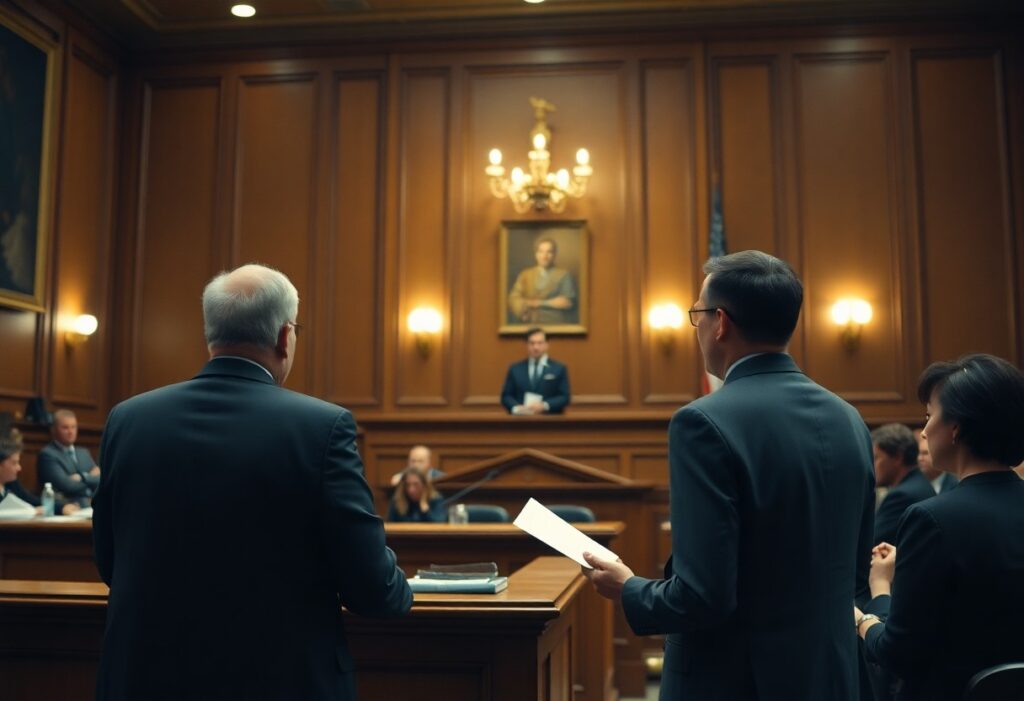
For instance, the judge oversees the trial, ensuring that the rules are followed and that fair procedures are maintained. The prosecutor represents the state and presents evidence against you, aiming to prove your guilt. Conversely, your defense attorney advocates for your rights and challenges the prosecution’s case. The jury, composed of impartial members of the community, ultimately weighs the evidence and renders a verdict. Understanding these roles will allow you to better prepare for interactions with each participant and strategize effectively throughout your trial.
Essential Steps to Prepare
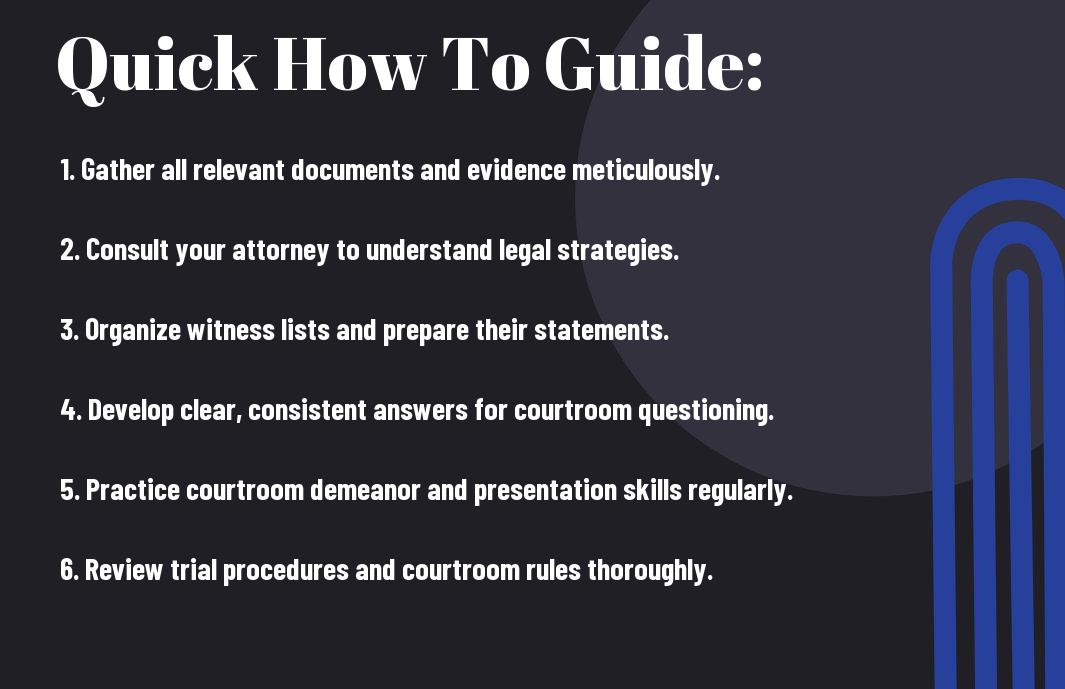
Clearly, preparing for a criminal trial involves several important steps that you must undertake to ensure your case is presented effectively. Start by understanding the legal processes and what to expect during the trial. Being organized and proactive can significantly impact the outcome of your case, so take the time to familiarize yourself with the charges against you, potential defenses, and the overall courtroom procedure. Your dedication to preparation will reflect not only your commitment to your defense but also your readiness to address the challenges ahead.
Hiring the Right Attorney
Now, selecting an experienced attorney is vital for your defense. Look for someone who specializes in criminal law and has a proven track record in similar cases. You should feel comfortable discussing your situation openly, as trust and communication are crucial in building a strong defense strategy. Take your time to research and consult with several attorneys to find the best fit for your needs, as your lawyer will play a pivotal role in guiding you through this process.
Gathering Evidence and Documentation
Little do many realize, the collection of evidence and documentation is key to shaping your defense strategy. This process involves compiling all relevant materials that support your case, including witness statements, photographs, and any other documentation associated with the incident. By gathering substantial evidence, you can establish facts that may bolster your position in court. Your diligence in collecting this information can significantly influence the trial’s outcome and protect your rights.
Hiring an experienced attorney can guide you in identifying what types of evidence to gather. Make a comprehensive list of everything that can help your case—this can include police reports, financial records, or anything pertinent to your defense. Communicate closely with your attorney about the importance of each piece of evidence. Their expertise will help you understand how best to present these documents in court, ensuring that nothing critical is overlooked, thus strengthening your overall case.
Tips for Developing a Strong Defense
Once again, important strategies can significantly bolster your defense. Focus on the following aspects:
- Consult with an experienced attorney.
- Gather all relevant evidence.
- Understand the legal implications of your case.
- Stay organized and keep detailed records.
- Maintain open communication with your defense team.
Any solid preparation lays the groundwork for a robust defense.
Understanding the Charges
You must fully grasp the nature of the charges against you. This understanding will guide your defense strategy and help you identify the necessary evidence and arguments to contest the allegations effectively.
Identifying Witnesses and Testimonies
Defense witnesses can play a pivotal role in strengthening your case. Their testimonies may provide vital information that challenges the prosecution’s narrative or supports your alibi.
Plus, having credible witnesses can significantly enhance your chances of a favorable outcome. Consider individuals who can attest to your character, provide a solid alibi, or offer insights relevant to your defense. Be sure to interview potential witnesses thoroughly to understand their perspectives and assess their reliability. Proper preparation can help you present a coherent and persuasive case during the trial.
Factors to Consider During Preparation
To effectively prepare for your criminal trial, consider the following factors:
- Your legal representation
- The strength of the evidence against you
- Potential plea deals
- Witness availability and reliability
- Your understanding of the charges
Any one of these factors can significantly influence the outcome of your case.
Timeline of the Trial
For every criminal trial, a timeline will guide you through various stages, including arraignment, pre-trial motions, jury selection, and the trial itself. Understanding this timeline helps you prepare mentally and logistically for what lies ahead.
Emotional and Psychological Readiness
Factors to consider include your mental state, emotional resilience, and support systems. Being prepared for the emotional rollercoaster of a trial can be just as important as the legal strategies you employ.
Plus, preparing emotionally means seeking support from friends, family, or professionals who understand the strain a trial can impose. Engaging in self-care practices and developing coping mechanisms will help you maintain a clear head and focus on your legal strategy.
What to Expect on Trial Day
After you arrive at the courthouse on your trial day, you’ll go through security and find your courtroom. Expect to see your attorney, the judge, and sometimes a jury if your case is being heard by one. The proceedings will begin with the judge outlining the trial process, and you may also have opportunities to speak. It’s crucial to stay calm and focused during this time.
Courtroom Etiquette and Behavior
There’s a certain level of decorum that you must maintain in the courtroom. This includes addressing the judge respectfully, dressing appropriately, and avoiding any disruptive behavior. Keep in mind that your demeanor can influence how the jury and judge perceive you. Always stand when the judge enters or leaves the room, and remain silent unless asked to speak.
Presenting Your Case Effectively
For a successful presentation of your case, it’s vital to communicate your points clearly and confidently. This involves practicing your testimony and being prepared to answer questions from both your attorney and the opposing side. It’s also important to present evidence in an organized manner and to stick to the facts of your case without becoming emotional.
Plus, effective case presentation involves utilizing visual aids or documentation that support your claims. By rehearsing your testimony and understanding the key components of your case, you will create a stronger narrative. Engage with the jury by maintaining eye contact and speaking directly to them when appropriate. This will help you resonate better with those deciding your fate in the trial.

Resources for Legal Assistance and Support
Your journey through a criminal trial can be daunting, but various resources are available to help you navigate the legal landscape. From legal aid to support groups, these options can alleviate some of the stress you may encounter. Understanding what assistance is available is crucial to ensure you are well-supported during this challenging time.
Legal Aid Options
Legal aid programs offer free or low-cost legal services to individuals who qualify based on their financial situation. If you cannot afford an attorney, you can seek assistance from local legal aid organizations or public defenders. These professionals are trained to represent defendants in criminal cases and can help you understand your rights and options throughout the trial process.
Support Groups and Counseling
Options for support groups and counseling can provide emotional relief and coping strategies as you prepare for your trial. These resources connect you with others who have similar experiences, ensuring you don’t feel isolated during this difficult time.
This sense of community is invaluable, as discussing your feelings and concerns with others facing similar circumstances can provide significant emotional support. Additionally, many support groups offer experienced facilitators who can guide discussions and provide resources. Engaging in counseling can help you develop coping strategies to manage anxiety and improve your overall well-being as you navigate the challenges ahead.
Summing Up
So, preparing for a criminal trial requires thorough planning and understanding of the legal process. You should familiarize yourself with the charges, gather evidence, and build a strong defense strategy with your attorney. It’s crucial to practice your testimony and anticipate questions. Additionally, maintaining clear communication with your legal team will help ensure you’re well-prepared for court. By combining research, organization, and open dialogue, you can increase your chances of a favorable outcome in your trial.