

You are facing a challenging situation when you require a criminal defense lawyer, and making the right choice can have a significant impact on the outcome of your case. Understanding what to look for in a legal representative is important to ensure you have the best support possible. In this guide, you will learn key factors to consider, from evaluating experience and specialization to assessing communication styles and fees. Empower yourself with the knowledge to make an informed decision that aligns with your needs and legal goals.
Understanding the Role of a Criminal Defense Lawyer
As you navigate the complexities of a criminal case, a criminal defense lawyer becomes your most vital ally. They wield a deep understanding of the law, advocate for your rights, and work tirelessly to build a robust defense tailored to your unique situation. Not only do they interpret legal jargon for you, but they also provide strategic guidance that can make a significant impact on the outcome of your case.
Importance of Specialization
While choosing a criminal defense lawyer, it’s crucial to consider their specialization. Each legal case varies in nature, and a lawyer well-versed in your specific charges, be it drug offenses, theft, or white-collar crime, can better navigate the nuances of your situation. Their specialized knowledge can help develop more effective strategies and tactics to advocate on your behalf.
Responsibilities in Criminal Defense
Criminal defense lawyers hold a range of responsibilities that extend beyond mere courtroom representation. They analyze evidence, formulate legal strategies, negotiate plea deals, and represent you during hearings and trials. Your lawyer also gathers expert testimony and may connect you with resources to aid in your defense. By understanding these responsibilities, you can appreciate the breadth of support your lawyer will provide throughout the legal process.
To ensure you receive the best possible representation, your lawyer must be diligent about gathering every detail related to your case. This includes investigating facts, interviewing witnesses, and preparing you for potential outcomes. The depth of their effort plays a vital role in crafting a compelling defense strategy, whether that leads to dismissal of charges, a favorable plea agreement, or a strong presentation in court. Understanding these responsibilities will empower you to engage fully with your lawyer and support your defense effectively.
Factors to Consider When Choosing a Lawyer
Clearly, selecting the right criminal defense lawyer involves considering several key factors that can impact the outcome of your case. You should evaluate:
- Experience and specialization in criminal law
- Track record of past cases and client testimonials
- Familiarity with local laws and court systems
- Communication style and approachability
- Fees and payment arrangements
This comprehensive approach will guide you in making an informed choice.
Experience and Track Record
Record your lawyer’s experience in handling cases similar to yours. A seasoned attorney who has successfully navigated the criminal justice system can significantly enhance your chances of a positive outcome. Look for evidence of their past wins, client satisfaction, and the strategies they employed in previous cases.
Familiarity with Local Laws and Courts
Courts and local laws can vary significantly, making familiarity important for your defense. A lawyer who understands the specific rules and procedures of your jurisdiction can skillfully maneuver your case through the legal system, potentially benefiting you in negotiations and court appearances.
To further strengthen your case, hire a lawyer who has established relationships with local judges and prosecutors. These connections can provide insights into the legal landscape and influence the handling of your case. Moreover, understanding the nuances of local laws will help your attorney develop effective strategies tailored to your situation, ensuring you are in the best possible position for a favorable outcome.
Tips for Evaluating Potential Lawyers
Despite the abundance of options available, narrowing down the right criminal defense lawyer requires careful evaluation. Consider the following tips:
- Review online testimonials and attorney ratings.
- Check their experience with cases similar to yours.
- Inquire about their approach and strategy for your situation.
- Evaluate their availability and responsiveness.
After gathering this information, you’ll be better equipped to make an informed decision.
Initial Consultations and What to Ask
Tips for your initial consultation include preparing specific questions that address your concerns, such as the lawyer’s familiarity with your type of case, their fees, and their previous outcomes. Don’t hesitate to ask about their communication style and how often you can expect updates on your case.
Assessing Communication and Rapport
With a strong connection to your attorney, your case can progress more smoothly. It’s necessary to gauge how effectively you communicate with each potential lawyer during your consultations. Open, comfortable communication fosters trust and partnership, both integral to a successful defense. Pay attention to whether they listen and address your questions adequately.
To ensure your lawyer prioritizes your needs, evaluate their response to your inquiries and the clarity they provide in their explanations. A good attorney should be approachable, empathetic, and willing to discuss strategies in detail – making you feel confident and supported throughout the process. Trust your instincts, as a good rapport can significantly influence your experience and the outcome of your case.
Financial Considerations in Hiring a Lawyer
Not all lawyers have the same fee structures, and understanding these can significantly influence your decision-making process. It’s crucial to evaluate the overall cost of legal representation in relation to your case’s complexity and the potential outcomes involved. Keep in mind that the cheapest option may not always deliver the best representation, so weigh your financial commitments against the lawyer’s expertise and track record.
Understanding Legal Fees and Payment Structures
Even when hiring a criminal defense lawyer, it’s important to grasp the various fee arrangements available. Many lawyers charge hourly rates, while others may work on a flat fee or a contingent basis, depending on the case type and circumstances. Clarifying these details upfront can prevent misunderstandings down the line and help you plan accordingly.
Budgeting for Defense Costs
With adequate budgeting for your defense costs, you can alleviate some financial pressure during this challenging time. Consider expenses like retainer fees, court costs, and additional charges for expert witnesses or investigation services. Openly discussing the financial aspects with your lawyer can foster a transparent relationship and ensure you’re not blindsided by unexpected expenses.
Legal costs can accumulate quickly if not managed effectively, so establishing a budget tailored to your situation is important. Take the time to outline all potential expenses related to your defense, including any unforeseen costs that might arise as your case unfolds. Assessing your financial situation alongside your lawyer’s fee structure allows you to make informed decisions and ensures you have the means to secure a solid defense without unnecessary strain.

The Importance of Recommendations and Reviews
Unlike choosing any other professional, selecting a criminal defense lawyer can significantly impact the outcome of your case. Seeking recommendations and reviewing testimonials allows you to gain insights from those who have experienced the lawyer’s services firsthand. These resources can help you identify which attorneys have the skills and track record necessary to defend your interests effectively.
Gathering Referrals from Trusted Sources
Assuming you have friends or family who have navigated legal challenges, reaching out to them can provide valuable referrals. Personal experiences shared by trusted individuals can guide you toward reputable lawyers who have demonstrated competence and dedication. It’s important to consider their recommendations, as they can help you narrow down your options based on firsthand accounts of success and satisfaction.
Researching Online Reviews and Testimonials
For many potential clients, online reviews and testimonials serve as an additional layer of insight into a lawyer’s reputation. These resources can help you gauge the level of service you can expect and the outcomes achieved by previous clients.
For instance, exploring online platforms and legal directories, such as Avvo or Martindale-Hubbell, enables you to read in-depth reviews from past clients. Comments regarding the lawyer’s communication skills, professionalism, and overall effectiveness provide valuable context. Additionally, pay attention to patterns in feedback; consistent positive remarks about a specific attorney’s ability to advocate on behalf of clients may indicate a strong candidate for your defense needs.
Making the Final Decision
To effectively choose the right criminal defense lawyer for your case, it is necessary to compile all the information you’ve gathered and evaluate each candidate’s strengths and weaknesses. Consider factors such as their experience, communication style, and your comfort level with them. Take your time to review your options thoroughly before making your choice, ensuring that your attorney aligns with your needs and expectations.
Weighing Your Options
An effective decision requires a thorough assessment of the lawyers you have considered. List their pros and cons, and evaluate how each one matches your case, budget, and desired outcomes. Prioritize what aspects matter most to you, whether it be experience with similar cases, approachability, or fees. This structured approach will help you make an informed choice that best serves your interests.
Trusting Your Instincts
For many people, their gut feeling about a lawyer can play a significant role in their decision-making process. Instincts can guide you toward an attorney with whom you feel comfortable and confident. Your intuition often picks up on nuances that may not be immediately apparent through qualifications and experience alone.
For instance, during consultations, pay attention to how the attorney communicates with you. If you feel at ease discussing your situation and believe they genuinely care about your case, this may indicate a strong partnership. Conversely, if something feels off or you sense a lack of connection, it’s worthwhile to re-evaluate your options and seek someone who inspires trust and confidence in their representation. Your instincts can serve as a valuable compass in navigating this important choice.
Summing up
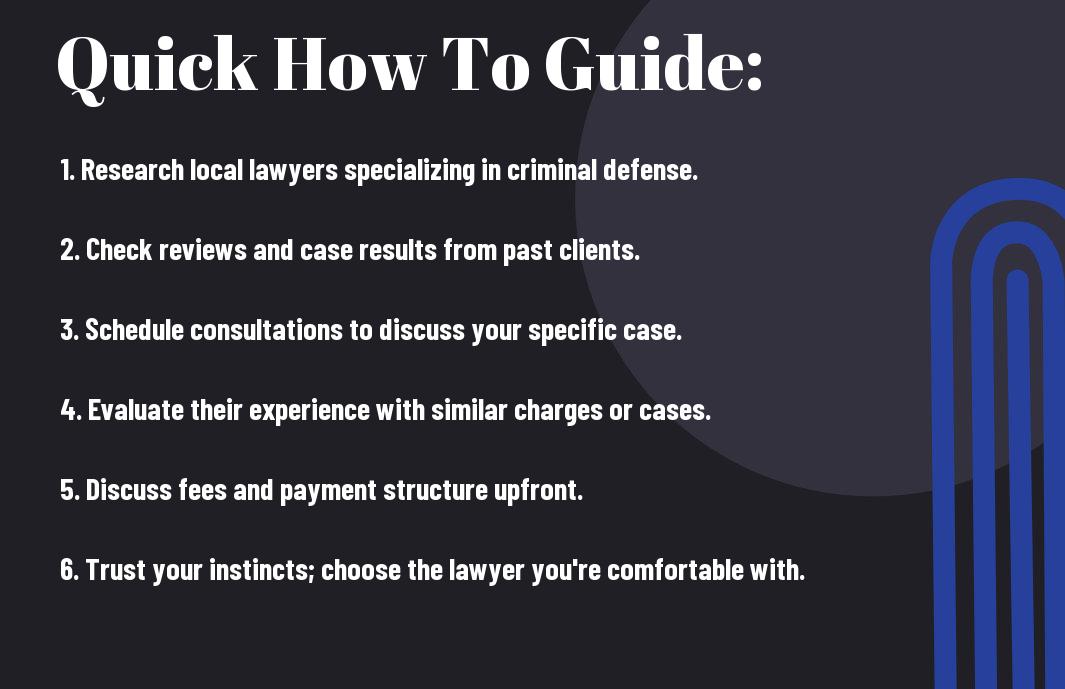
Upon reflecting, choosing the right criminal defense lawyer for your case involves assessing their experience, understanding your specific legal needs, and ensuring you feel comfortable communicating with them. Take the time to research potential attorneys, read client reviews, and schedule consultations to gauge their approach to your situation. A skilled lawyer can significantly impact the outcome of your case, so be attentive to their qualifications and how they align with your goals. Ultimately, selecting the right legal advocate can help you navigate the complexities of the criminal justice system effectively.