

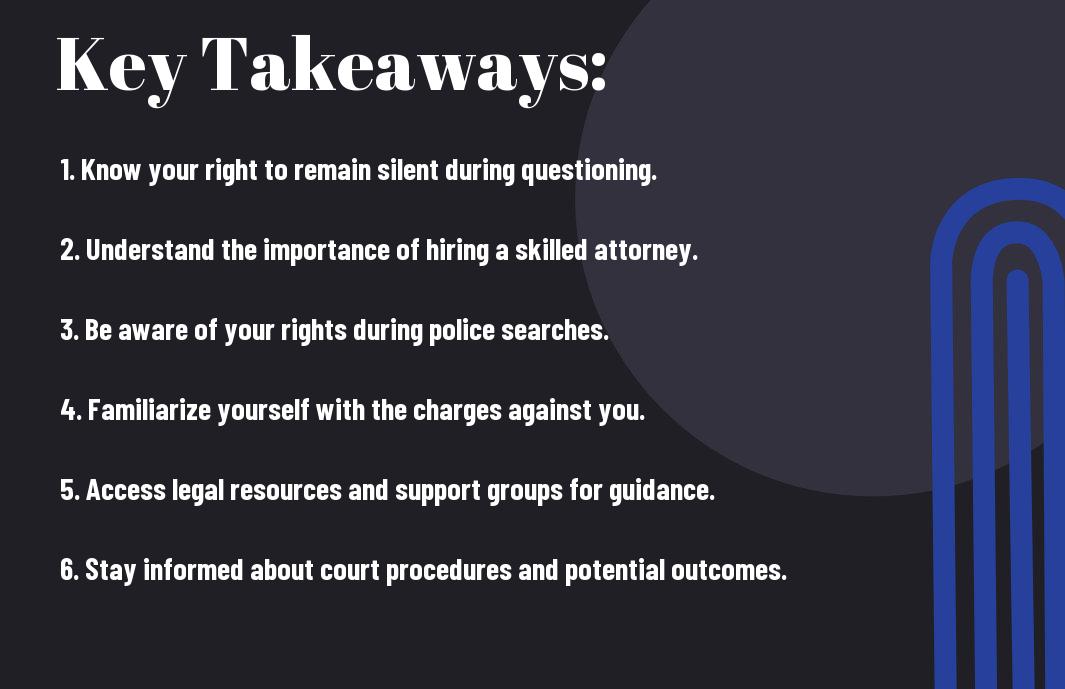
Criminal charges can significantly impact your life, making it necessary to understand your legal rights. As you navigate the complexities of the criminal justice system, knowing what protections and options are available to you will empower you to make informed decisions. From the right to remain silent to the right to an attorney, being aware of your rights can help safeguard your future. In this blog post, we will explore the key aspects of your legal rights when confronting criminal charges, ensuring you are well-equipped to handle the situation effectively.
Overview of Criminal Charges
Your journey through the criminal justice system begins with an understanding of criminal charges that can vary significantly in nature. Each charge outlines specific allegations against you, and knowing the nuances can aid in preparing your defense and navigating the legal landscape.
Types of Criminal Offenses
Your awareness of the different types of criminal offenses is necessary. These can be categorized into several classifications:
- Felonies
- Misdemeanors
- Infractions
- White-collar crimes
- Drug offenses
Thou should take note of how serious each type of offense is, as it may significantly affect the potential consequences.
| Type of Offense | Consequences |
| Felonies | Long-term imprisonment, fines |
| Misdemeanors | Short-term jail time, lower fines |
| Infractions | Minor fines, no jail time |
| White-collar crimes | Restitution, fines, possible imprisonment |
| Drug offenses | Imprisonment, rehabilitation programs |
Understanding the Criminal Justice Process
Along your path, grasping how the criminal justice process works can empower your decisions. This process typically involves several stages, including arrest, arraignment, pre-trial motions, trial, and potential appeals.
Considering your legal rights during each step is vital. From the moment you are arrested, you have the right to counsel and to be informed about the charges against you. Understanding the process will help you make informed decisions, navigate legal hurdles, and prepare a strong defense to protect your rights and your future.
Your Rights as a Defendant
Some of the most fundamental rights you possess as a defendant include the right to legal representation, the right to remain silent, and the right to a fair trial. Understanding these rights can significantly impact your case and overall experience within the legal system. It’s vital to be informed and proactive in exercising these rights when facing criminal charges.
The Right to Legal Representation
With the right to legal representation, you can secure a qualified attorney who will advocate on your behalf throughout the legal process. This right ensures that your interests are adequately protected and that you receive expert guidance in understanding complex legal matters related to your case.
The Right to Remain Silent
Legal protections also grant you the right to remain silent when questioned by law enforcement or during court proceedings. This right helps prevent self-incrimination, allowing you to avoid making statements that could negatively impact your defense.
But it’s important to exercise this right wisely. Remaining silent does not imply guilt; instead, it can be a strategic decision to protect your legal standing. Before speaking to law enforcement, consult with an attorney to better understand the potential consequences of sharing information or answering questions. Your silence can play a pivotal role in preserving your defense and ensuring your rights are upheld.
Navigating the Legal System
Not everyone understands how to navigate the legal system when facing criminal charges. It can feel overwhelming, but being informed about the procedures and your rights can empower you during this daunting process. You must be aware of the steps involved, from initial arrests to potential sentencing, to effectively advocate for yourself and engage with your legal representation.
Pre-Trial Procedures
After your arrest, various pre-trial procedures come into play, including arraignment and bail hearings. During these stages, the court will inform you of the charges against you and provide an opportunity to enter a plea. Engaging an attorney early in this process can help you understand your options and potentially negotiate terms that favor you.
Trial Process
Trial proceedings will determine your guilt or innocence based on the evidence presented in court. This is where your case will be meticulously examined, and both the prosecution and defense have the opportunity to present their arguments. Witnesses may be called, and various forms of evidence will be shown to support each side’s position.
In fact, the trial process typically involves several stages, starting with jury selection, followed by opening statements, witness testimonies, and closing arguments. After all evidence has been presented, the jury deliberates to reach a verdict. Understanding these components is important, as it directly impacts the outcome of your case and your future. An attorney can guide you through each stage, ensuring your rights are protected and that you are fully prepared for what lies ahead.
Plea Bargains and Their Implications
Many defendants find themselves contemplating plea bargains as a way to resolve their criminal charges more expediently. This process can be advantageous or risky, depending on your unique situation, and understanding its implications is vital for making an informed decision. A plea bargain may help mitigate potential penalties, but it can also lead to unintended consequences in the long run.
What is a Plea Bargain?
Across the legal landscape, a plea bargain is an agreement between you and the prosecution where you agree to plead guilty to a lesser charge or receive a reduced sentence in exchange for waiving your right to a trial. This often expedites the legal process and provides more certainty in the outcome of your case.
Pros and Cons of Accepting a Plea Deal
The decision to accept a plea deal carries weighty considerations. Here are some pros and cons to weigh:
Pros and Cons of Accepting a Plea Deal
| Pros | Cons |
|---|---|
| Reduced charges or penalties | Potential for a criminal record |
| Quicker resolution of the case | Loss of your right to a trial |
| Lower legal fees | Uncertainty about the deal’s impact on future opportunities |
| Less stress associated with prolonged court battles | Possibility of coercion |
| Potential for immediate sentencing | Regret if evidence could have led to an acquittal |
| Gaining leniency from the judge | Inability to appeal the plea deal |
Another important aspect to consider is that by accepting a plea deal, you may be sacrificing the chance to fully explore evidence or witness testimonies that could result in a more favorable outcome at trial. Weighing these pros and cons thoughtfully will help you make an informed decision about whether a plea bargain is in your best interest. It’s recommended to consult legal counsel who can guide you through this process and help you understand specific implications based on your case.
Potential Consequences of Criminal Charges
For individuals facing criminal charges, the potential consequences can be severe and far-reaching. These penalties can include significant fines, community service, incarceration, or probation, depending on the nature and severity of the offense. Additionally, a criminal record can have lasting effects on various aspects of your life, including employment opportunities, housing prospects, and personal relationships.
Sentencing Guidelines
By understanding sentencing guidelines, you can better prepare for the possible outcomes of your case. These guidelines provide a framework for judges to determine appropriate penalties based on the specific circumstances surrounding your charges, including prior offenses, the severity of the crime, and any mitigating factors that may apply. Being informed about these guidelines can help you make strategic decisions during your legal proceedings.
Impact on Future Opportunities
Future opportunities can be significantly affected by having a criminal record. Employers, housing authorities, and educational institutions often conduct background checks, and a conviction may limit your options or disqualify you from opportunities that would otherwise be available. Furthermore, certain professions may impose additional restrictions based on your criminal history, which can hinder your career advancement and personal growth.
A criminal charge can lead to challenges in various aspects of your life. Many employers are reluctant to hire individuals with criminal records, which can result in a narrower job market for you. Similarly, if you’re seeking educational opportunities or professional licenses, your criminal history might impede your eligibility. It is imperative to understand these potential impacts so that you can proactively address them, either by seeking legal counsel or engaging in rehabilitation programs that demonstrate your commitment to personal improvement.

Resources for Legal Assistance
All individuals facing criminal charges should seek the appropriate legal support to navigate their situation effectively. Knowing where to find help can be a vital step in securing your rights and understanding the legal process. Utilize local resources, such as legal aid organizations and qualified attorneys, to ensure you receive the guidance you need.
Finding an Attorney
On your journey to finding the right attorney, start by researching local law firms that specialize in criminal defense. Personal referrals from trusted friends or family members can also provide invaluable insight into potential candidates. Additionally, consider scheduling initial consultations to assess an attorney’s experience and compatibility with your case, ensuring you feel confident in your legal representation.
Legal Aid Organizations
Below are legal aid organizations that can assist individuals who may not afford private representation. They typically offer resources and services tailored to your needs, including free legal consultations, representation, and educational materials about your rights.
The support provided by legal aid organizations can be instrumental when facing criminal charges. These organizations often operate on a sliding scale, ensuring that individuals from varying economic backgrounds can access legal representation. They can guide you through complex legal processes, help you understand your rights, and potentially represent you in court, making them an necessary resource when navigating criminal charges.
To wrap up
Conclusively, understanding your legal rights when facing criminal charges is vital for navigating the complexities of the legal system. You have the right to remain silent, the right to legal counsel, and the right to challenge the evidence against you, among others. Being informed about these rights empowers you to make better decisions and advocate for yourself effectively. Always seek professional legal advice to ensure that your rights are fully protected as you proceed through the judicial process.