

With the unexpected nature of an arrest, knowing your next steps can significantly impact your legal situation. This post will guide you through the immediate actions you should take following an arrest, including how to communicate with law enforcement, the importance of remaining silent, and securing legal representation. By understanding your rights and duties, you can navigate these challenging circumstances more effectively and work towards the best possible outcome for your case.
Understanding Your Rights
To navigate the legal landscape after an arrest, it is vital to understand your rights. Being aware of these rights can help protect you during interrogation and any subsequent legal proceedings. It’s vital to invoke these rights respectfully and assertively to ensure the best possible outcome for your situation.
The Right to Remain Silent
Rights come into play immediately following your arrest. You have the right to remain silent, meaning you are under no obligation to answer questions from law enforcement. It is important to understand that anything you say can be used against you in a court of law, so exercising this right is necessary to protect yourself.
The Right to Legal Representation
Silent in the face of interrogation does not mean you are alone; you have the right to legal representation. This means you can request an attorney before speaking to law enforcement. It is always advisable to consult with a qualified attorney who can guide you through the complexities of the legal process and help you build a defense strategy tailored to your specific situation.
It is vital to utilize your right to legal representation as soon as possible. An attorney can provide valuable advice on how to approach questioning, what information to disclose, and how to strategize your case. Having legal counsel ensures you are not walking through this challenging time unprotected, and they can help you understand the implications of your choices throughout the legal proceedings.
Stay Calm and Composed
One of the most important things you can do immediately after an arrest is to stay calm and composed. Panic or aggression can escalate the situation and make matters worse for you. Taking a deep breath and collecting your thoughts will enable you to respond appropriately and think clearly about your next steps. Maintaining a level head can also influence how law enforcement and others perceive you during this stressful time.
Managing Emotions
An arrest can trigger a whirlwind of emotions such as fear, anger, and confusion. It’s important to acknowledge how you feel but not let those feelings control your actions. Take a moment to breathe slowly, focusing on your breath to regain your composure. This self-regulation helps you think rationally and can positively impact the outcome of your situation.
Importance of Composure
Composed behavior not only helps you navigate your arrest more effectively but also sets a tone for how others will interact with you. If you present yourself calmly, law enforcement officers may treat you with more respect and may be less likely to escalate the situation. Your composure can communicate that you are cooperative and serious about handling the matter appropriately.
Considering the environment you find yourself in, your behavior can significantly affect the dynamics of the situation. If you remain composed, you may find that police officers are more willing to engage with you in a reasonable manner, potentially leading to a more favorable outcome. Additionally, staying calm can help you think more clearly as you consider your legal options and the right steps to take next.
Communicating with Law Enforcement
After an arrest, the way you communicate with law enforcement can significantly impact your situation. It’s important to remain calm and composed. Always be respectful and follow any instructions given by the officers. This helps to establish a dialogue and may assist in your case later on.
What to Say
Above all, it’s important to exercise your right to remain silent. Politely inform the officers that you wish to speak with your attorney before answering any questions. If you’re asked for basic information, such as your name and address, provide it without offering additional information that could complicate your situation.
What Not to Say
An important aspect of your communication is avoiding certain statements that could jeopardize your defense. Do not admit to any wrongdoing or provide any unnecessary details of the incident.
Also, avoid discussing your case, explaining your actions, or accepting any blame during the interaction. Statements made during this time can be recorded and used against you later in court. Focus on remaining silent until you have legal representation who can guide you on how best to respond and protect your rights.
Requesting Legal Counsel
Keep in mind that securing legal counsel early can significantly impact the outcome of your case. Having an experienced attorney by your side ensures that your rights are protected and that you understand the legal process ahead. If you are arrested, it is your right to request a lawyer at any time, and doing so can provide you with the guidance necessary to navigate the complexities of the law.
When to Ask for a Lawyer
One of the best times to ask for a lawyer is immediately after your arrest. Don’t wait until you find yourself in a difficult situation during questioning or court proceedings. As soon as you realize that you need legal assistance, express your desire for a lawyer. This gives you the chance to discuss your options and prepare an effective defense strategy right from the start.
Choosing the Right Attorney
Below are important considerations when selecting the right attorney for your case. You should look for a lawyer who specializes in criminal law, has experience with your specific charges, and possesses a successful track record. Additionally, it’s important to ensure you feel comfortable communicating with them, as a strong attorney-client relationship can lead to better results.
At this stage, also consider the attorney’s reputation and reviews from past clients. Seek referrals from friends or family members, and conduct online research to evaluate candidates. Schedule consultations to ask questions about their experience, approach to your case, and fees. Choosing the right attorney makes a significant difference, so take the time to select someone who aligns with your needs and preferences.

Documentation of the Arrest
Your first step after an arrest is to document every detail surrounding the incident. This includes noting the time, location, and circumstances of the arrest, as well as identifying the arresting officers’ names and badge numbers. Keeping a clear record will be invaluable if you need to challenge the arrest or seek legal representation later on.
Gathering Evidence
On the scene, start gathering any evidence that may support your case. This can include photographs of the location, personal belongings, and any physical injuries. Keeping a detailed account of these aspects can bolster your defense and provide context to the circumstances that led to your arrest.
Contacting Witnesses
After you have documented your arrest, it is important to reach out to any potential witnesses who can attest to what happened. Their accounts could provide additional proof of your position and mitigate the charges against you.
But securing witness statements can be a delicate process. Approach witnesses calmly and respectfully, and ask if they would be willing to provide their perspective on the events. If they agree, be sure to collect their contact information and request a written statement if possible. Having reliable witnesses can greatly strengthen your case and provide a clearer picture of the situation that led to your arrest.
Post-Arrest Procedures
Once again, after an arrest, it’s vital to understand the procedures that follow. You will typically be taken to a police station for booking, where your personal information will be recorded, your fingerprints taken, and a mugshot taken. This process also includes the reading of your rights. Understanding these steps is important to know how your case will progress and what to expect in the coming hours and days.
Bail Options and Hearings
Procedures for bail can vary widely based on your charges and jurisdiction. You may have several options for bail, including a personal recognizance bond, cash bail, or a bail bond through a agency. After your initial hearing, a judge will determine whether to grant bail and the specific conditions you must follow.
Possible Next Steps
After securing your release, it’s vital to understand the next steps in your legal process. You may need to attend additional court hearings, consult with legal counsel, and gather evidence for your case. Staying proactive and informed can positively impact your situation and help you prepare for what lies ahead.
For instance, you should start gathering all relevant information and documents that pertain to your case, including any evidence that may support your defense. It’s also advisable to stay in touch with your attorney and follow any legal advice they provide. By actively participating in your defense, you better position yourself for favorable outcomes during your upcoming court appearances.
Final Words
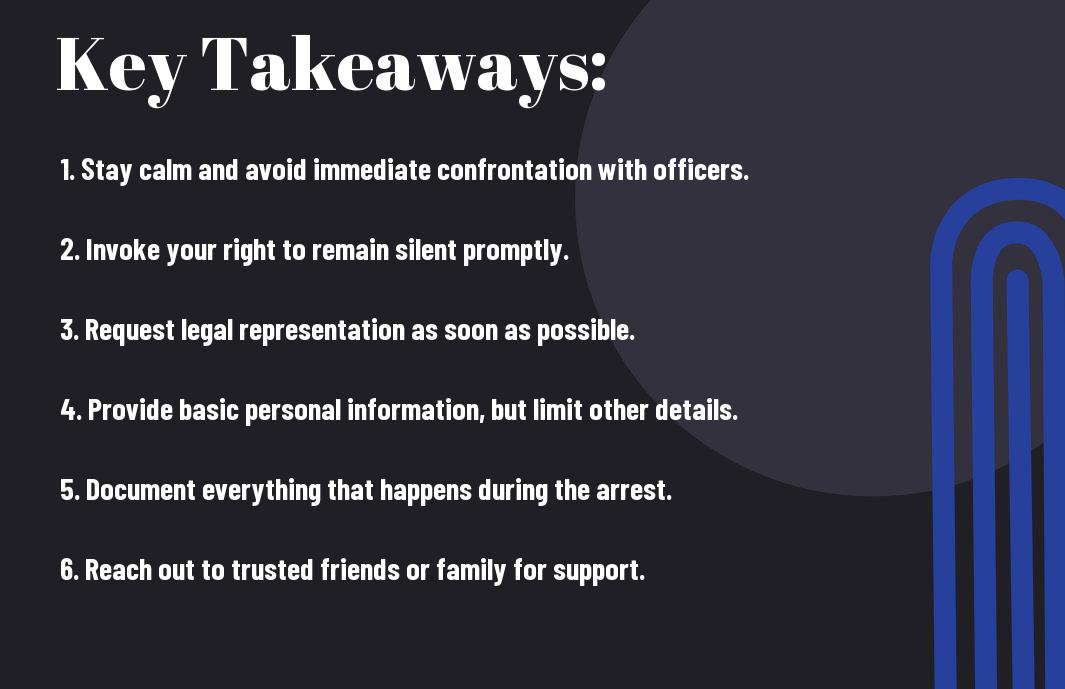
Following this, it is vital to stay calm and collected after an arrest. Make sure to exercise your right to remain silent and refrain from discussing your case without legal representation. Communicate your need for an attorney clearly and avoid signing any documents until you have consulted with a lawyer. Document everything you can about the circumstances of your arrest, as this will be valuable for your defense. Finally, reach out to someone you trust for support during this challenging time, as they can help navigate the next steps for you.