
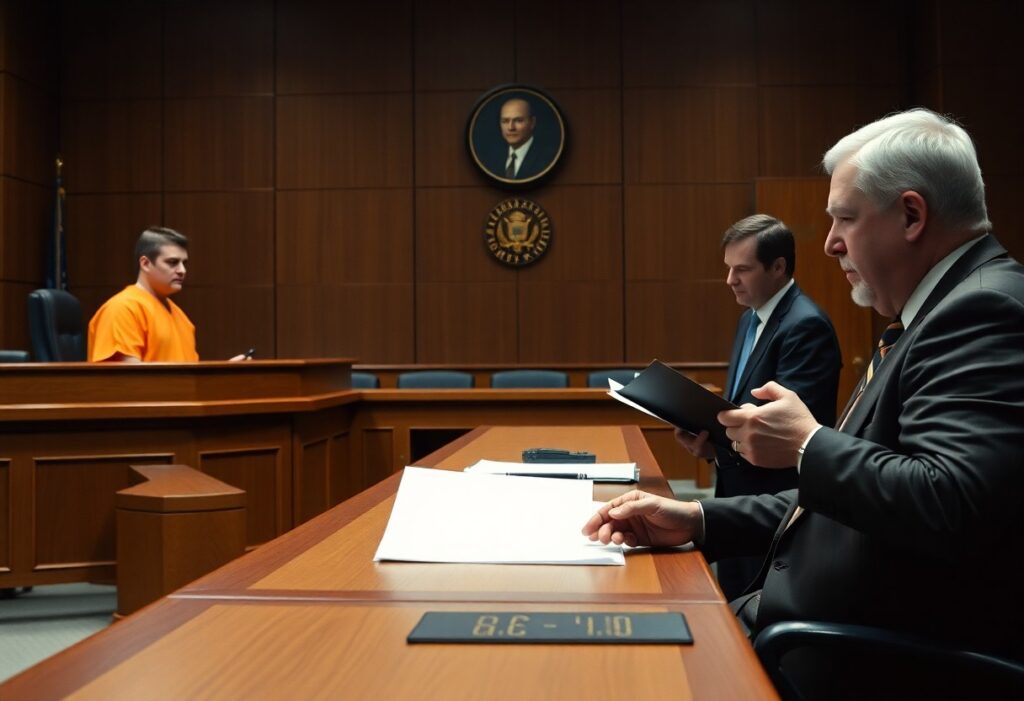
Over the years, plea deals have become a significant aspect of the criminal justice system, shaping the outcomes for defendants and the overall efficiency of courts. This post will guide you through the mechanics of plea deals, explaining how they function and their effects on your case and broader legal proceedings. You will gain insight into the advantages and disadvantages of accepting a plea bargain, enabling you to make informed decisions should you ever find yourself navigating this complex process.
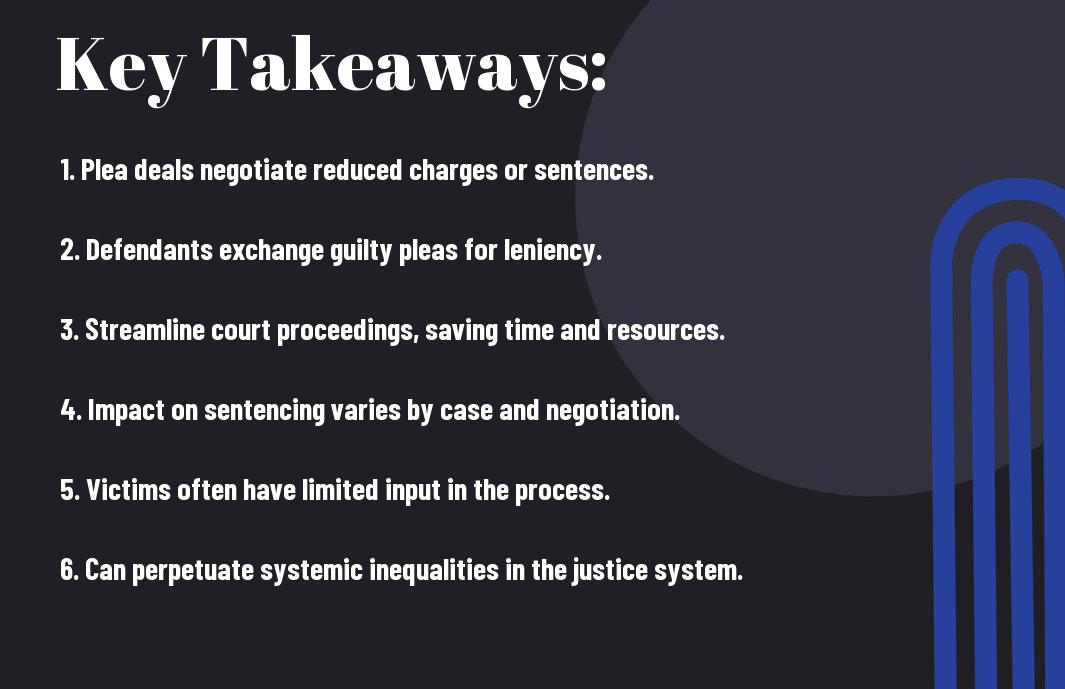
The Fundamentals of Plea Bargaining
Before delving into the specifics, it’s important to understand that plea bargaining is a central element of the criminal justice system. It allows defendants to plead guilty to lesser charges or receive reduced sentences in exchange for certain concessions, often leading to a more efficient resolution of cases. This process impacts not only the accused but also the court’s workload and the overall justice system.
Definition and Legal Framework
Beside the complexities of criminal proceedings, plea bargaining is defined as an arrangement where the defendant agrees to plead guilty to a lesser charge or accepts a lighter sentence. This legal framework exists primarily to expedite court processes, thus saving time and resources for both the defendant and the judicial system.
Types of Plea Agreements
With various plea agreements that can take place, you should be aware of the common types involved in the negotiation process, including:
- Charge Bargaining
- Sentence Bargaining
- Fact Bargaining
- Open Plea
- Conditional Plea
Any of these agreements can significantly influence your case outcome and potential sentencing.
| Plea Type | Description |
|---|---|
| Charge Bargaining | Pleading to a lesser charge than originally filed. |
| Sentence Bargaining | Agreeing to a lighter sentence in exchange for a guilty plea. |
| Fact Bargaining | Negotiating which facts will be admitted in court. |
| Open Plea | Defendant pleads guilty without a negotiated agreement on the sentence. |
| Conditional Plea | A plea that is contingent upon certain conditions being fulfilled. |
For instance, understanding the types of plea agreements can help you navigate the complexities of your case. Each type presents different implications for your legal outcome, so it’s crucial to be well-informed. Exploring these agreements can aid in making a strategic decision regarding your best course of action.
- Consider the circumstances of your case.
- Evaluate the strengths and weaknesses of the evidence against you.
- Discuss potential outcomes with your legal counsel.
- Understand the implications of accepting a plea deal.
- Know that every type has different consequences.
Any plea agreement type can significantly alter the trajectory of your case and may set a precedent for future legal encounters.
| Plea Agreement Type | Key Characteristics |
|---|---|
| Charge Bargaining | Reduces the severity of the charges. |
| Sentence Bargaining | Guarantees a specific, often lighter, punishment. |
| Fact Bargaining | Results in limited admission of certain facts. |
| Open Plea | Uncertain sentence decided by the judge. |
| Conditional Plea | Allows decisions based on terms agreed upon. |

The Plea Bargaining Process
Any plea bargaining process typically involves several key stages that negotiate an agreement between the prosecution and the defense. This process unfolds in the backdrop of your legal strategy, aiming to resolve charges more efficiently than proceeding to trial. As a participant in this process, you should understand the dynamics involved, as they can significantly influence the outcome of your case.
Negotiation Between Prosecution and Defense
Among the first steps in plea bargaining is negotiation between the prosecution and defense. You may find that this involves discussions around the charges, evidence, and potential penalties. Both parties aim to reach a mutually agreeable solution that satisfies the interests of justice while considering your circumstances. Effective communication and sound legal advice are vital during this stage.
Judicial Review and Acceptance
Between the negotiation phase and the final resolution lies judicial review and acceptance. Once an agreement is reached, the judge reviews the terms of the plea deal to ensure they align with legal standards and adequately protect your rights. This oversight helps maintain the integrity of the criminal justice system, providing a check against potential abuses or unfair agreements.
This judicial review is an necessary safeguard in the plea bargaining process. You will typically attend a hearing where the judge examines the plea agreement, asking questions to confirm your understanding of the deal and the rights you are waiving. The judge’s acceptance ensures that the plea is made knowingly, willingly, and voluntarily, contributing to a fair outcome in your case.
Motivations Behind Plea Deals
Now, understanding the motivations behind plea deals can provide insight into their role in the criminal justice system. Both prosecutors and defendants have various incentives that drive the decision-making process. By analyzing these factors, you can better grasp why plea deals are so prevalent in resolving criminal cases.
Prosecutorial Incentives
Motivations for prosecutors often include the desire to secure convictions while managing heavy caseloads. Plea deals allow you to conclude cases swiftly, freeing up resources to address other charges. Additionally, a successful plea can enhance your record, showcasing your effectiveness as a prosecutor.
Defendant Considerations
Incentives for defendants primarily revolve around risk mitigation and the potential for reduced sentences. You may opt for a plea deal to avoid the uncertainty of a trial, which can lead to harsher penalties. In many cases, a plea agreement may result in lesser charges or a more lenient sentence, making it an appealing option to consider.
At this point, evaluating the implications of entering a plea deal can be vital for you as a defendant. By accepting a plea, you often gain a clearer understanding of your potential outcomes and can avoid the stress and unpredictability associated with a trial. This allows you to make more informed decisions about how to proceed with your case, including which charges to accept, and what penalties may come from your decision. The assurance of a defined outcome can often outweigh the uncertainty of trial results, particularly when facing severe charges.

Constitutional Implications
After reviewing the nature of plea deals, it’s necessary to understand their constitutional implications. These implications affect your rights and the fairness of the judicial process. The balance between efficient case resolution and protecting individuals’ legal rights raises questions about whether plea agreements uphold the principles enshrined in the Constitution. You should be aware of how these processes might impact your rights during legal proceedings.
Waiver of Rights
By entering into a plea deal, you effectively waive certain rights, such as the right to a fair trial, the right to confront witnesses, and the right against self-incrimination. This waiver must be made knowingly and voluntarily; otherwise, it could be deemed invalid. Understanding this component is vital as it shapes your position in the criminal justice process.
Due Process Concerns
Behind the rapid resolution of cases through plea deals lies the importance of due process, which ensures that your legal rights are protected throughout proceedings. The pressure to accept a plea bargain may lead individuals to forfeit rights or plead guilty to crimes they did not commit.
For instance, you may feel compelled to accept a plea deal due to the fear of harsher penalties if convicted at trial. This scenario raises significant due process concerns, as the desire for a swift conclusion may cloud your judgment and ability to make an informed decision. It’s necessary to evaluate whether the plea agreement you are considering truly serves your best interests, or if the pressure to resolve the case leads to an unjust outcome.
Impact on the Criminal Justice System
Unlike trials, plea deals significantly shape the criminal justice system by streamlining case resolution and reducing court congestion. This mechanism allows prosecutors and defense attorneys to negotiate outcomes, alleviating the burden on judges and court resources. As a result, you may find that a larger volume of cases can be managed efficiently, ultimately affecting the justice served to the accused and society at large.
Case Management and Court Efficiency
One of the primary benefits of plea deals is their ability to enhance case management and court efficiency. By resolving cases outside of court proceedings, plea negotiations allow for a quicker resolution, which frees up judicial resources. This can lead to more prompt justice for everyone involved, including victims seeking closure and defendants looking to move forward.
Sentencing Disparities and Outcomes
An important consideration in plea deals is the potential for sentencing disparities and varied outcomes. Different defendants might receive significantly different sentences for similar offenses based on their ability to negotiate or leverage deals. This inconsistency can lead to perceptions of unfairness within the justice system, impacting public trust and satisfaction.
And while plea deals offer expediency, they can inadvertently introduce inequalities in sentencing. For instance, individuals with robust legal representation may secure more favorable outcomes compared to those without adequate resources. This disparity can create an uneven playing field, where socioeconomic factors influence justice. It’s imperative for you to be aware of these dynamics, as they reflect broader issues in the criminal justice system that warrant attention and reform.

Criticisms and Reforms
To fully appreciate the debate surrounding plea deals, you should be aware of the criticisms that have surfaced over time. Many argue that the system can lead to unjust outcomes, where defendants feel pressured to accept deals even when they are innocent. Furthermore, the rushed nature of these negotiations may undermine the integrity of the justice process and disproportionately affect marginalized communities.
Coercion and Innocence Concerns
Around 95% of criminal cases are resolved through plea deals, raising concerns about coercion in the justice system. You may be surprised to learn that many defendants accept these agreements out of fear of harsher sentences if they go to trial, leading to innocent individuals pleading guilty just to avoid uncertain outcomes. This practice can distort the notion of justice, as the pressure to resolve cases swiftly may outweigh considerations of truth and fairness.
Proposed Policy Changes
About redefining plea bargain practices in the criminal justice system, various policy changes have been proposed to address the inherent issues within this framework. These changes include increasing transparency in negotiations, providing more robust legal representation for defendants, and establishing stricter guidelines to reduce coercion. By advocating for these reforms, you can help create a fairer system that prioritizes justice and minimizes wrongful convictions.
Another vital aspect of the proposed policy changes involves implementing oversight mechanisms to monitor plea deals more effectively. By introducing independent reviews, you may contribute to a deterring environment where coercive tactics are less likely to occur, ensuring that defendants make informed choices. Additionally, educating both defendants and the public about their rights in plea negotiations can empower individuals and foster a more equitable judicial process. This comprehensive approach aims to create a fair balance between efficiency and justice within the criminal justice system.
Conclusion
Taking this into account, understanding plea deals is necessary for navigating the criminal justice process effectively. These agreements offer both benefits and drawbacks, impacting your case’s outcome and the broader system. By knowing how they work, you can make informed decisions that align with your legal strategy and goals. Recognizing the implications of accepting or rejecting a plea deal can significantly shape your experience and future in the justice system.