

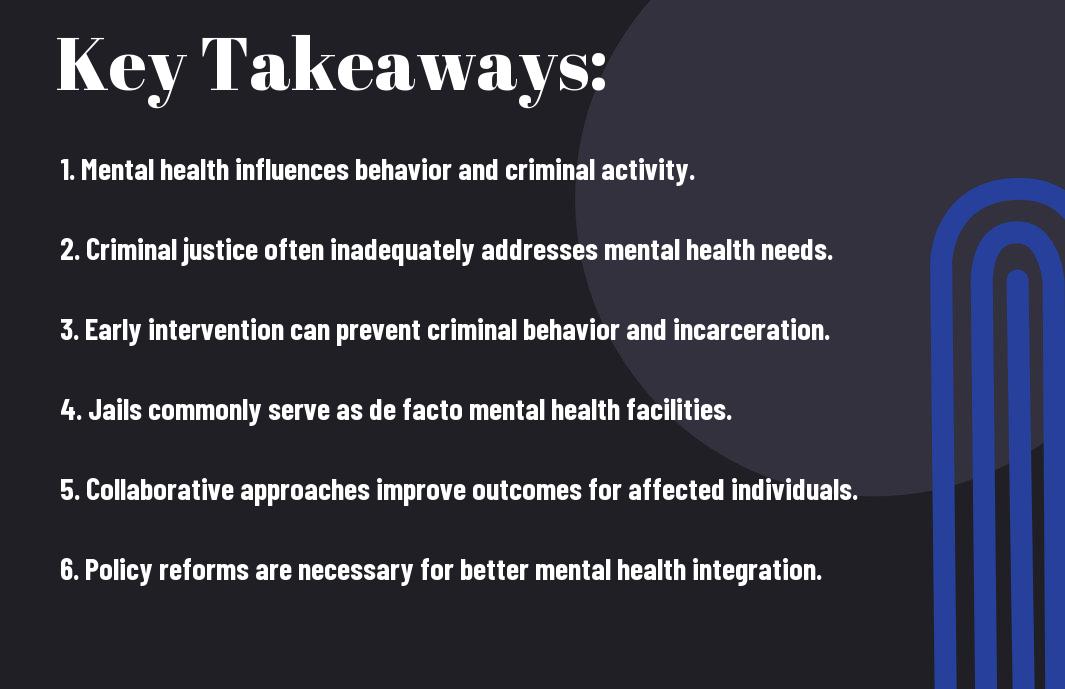
There’s a growing recognition of the profound relationship between mental health and the criminal justice system. As you navigate through this blog post, you’ll uncover how mental health issues often influence criminal behavior, leading to a complex interaction where individuals in crisis may face legal repercussions instead of receiving the necessary support. Understanding this intersection not only highlights the need for compassionate approaches within law enforcement and correctional facilities but also encourages a broader dialogue about mental health resources in your community and society at large.
Historical Context of Mental Health in Criminal Justice
As you explore the relationship between mental health and criminal justice, it is vital to understand the historical context that has shaped current practices and perceptions. Over the years, societal attitudes toward mental health issues have evolved, influencing how individuals with mental illness are treated within the legal system. Understanding this past is necessary for recognizing ongoing challenges and the need for reform in addressing mental health in criminal justice.
Deinstitutionalization Movement and Its Consequences
With the deinstitutionalization movement of the mid-20th century, many individuals were released from psychiatric hospitals, intended to promote community-based care. However, the lack of adequate support systems often led these individuals to encounter the criminal justice system, unprepared and unsupported. Consequently, many individuals with mental illness found themselves incarcerated instead of receiving the treatment they required.
Evolution of Mental Health Awareness in Legal Frameworks
By examining the evolution of mental health awareness in legal frameworks, you can see how societal attitudes have shifted towards a more compassionate approach. Over time, legal systems have begun to recognize the importance of mental health in determining responsibility and culpability for crimes.
For instance, recent legislative changes have introduced mental health courts and diversion programs aimed at addressing the unique needs of individuals with mental illness. These frameworks seek to provide treatment rather than punishment, emphasizing rehabilitation. As you consider the implications of these changes, it’s clear that understanding mental health can significantly impact legal outcomes and promote more humane approaches within the criminal justice system.

Current Challenges in the Criminal Justice System
Some of the challenges facing the criminal justice system today stem from a lack of adequate mental health resources. This results in increased recidivism rates and fails to address the underlying issues that contribute to criminal behavior. Without proper support and intervention, the cycle of incarceration persists, leaving you to wonder how many lives could be positively impacted with better mental health care integration within the system.
Prevalence of Mental Health Issues Among Incarcerated Individuals
Between 20% and 25% of incarcerated individuals have a diagnosed mental illness, which is significantly higher than the general population. This prevalence highlights the urgent need for tailored interventions that address these mental health challenges, ensuring that you recognize the complexities surrounding criminal behavior and mental health issues within the justice system.
Inadequate Mental Health Services in Correctional Facilities
Above all, the mental health services available in correctional facilities often fall short of meeting the actual needs of inmates. Many facilities lack qualified mental health professionals and resources, leading to inadequate treatment options for those who are struggling. This lack of support not only impacts inmates’ well-being but can also exacerbate violent behavior, creating a toxic environment that challenges both staff and residents.
Challenges in the provision of mental health services in correctional facilities are multifaceted. You might find that overcrowding, insufficient funding, and limited staff training all contribute to an environment where mental health issues go unaddressed. As a result, many incarcerated individuals do not receive the treatment necessary for recovery, leading to a cycle of unresolved mental health issues and further criminal behavior. Tackling these obstacles is important for improving the well-being of individuals within the system and ultimately benefiting society at large.
The Criminalization of Mental Illness
Keep in mind that the intersection of mental health and the criminal justice system often leads to the criminalization of individuals with mental illnesses. Many individuals in crisis may engage in behavior that is seen as disruptive or dangerous, ultimately resulting in their arrest rather than receiving the help they truly need. The lack of appropriate resources for mental health care exacerbates this issue, leading to legal repercussions for those who are suffering from untreated conditions.
Arrest and Prosecution Patterns for Individuals with Mental Illness
Between 20% to 30% of individuals arrested have a mental illness, often stemming from a lack of support and resources in the community. When law enforcement encounters someone exhibiting symptoms of mental illness, the response can lead to arrest instead of treatment. This pattern shows a systemic failure to address mental health needs, turning vulnerable individuals into offenders instead of patients.
Impact of Untreated Mental Health Conditions on Criminal Behavior
Mental health issues significantly influence behavior, and untreated conditions can lead you towards actions that may be criminalized. Without proper management, you may experience increased impulsivity, aggression, or paranoia, leading to encounters with the law. The relationship between mental health and criminal behavior is complex and often ignored in discussions around public safety and justice.
Health issues left untreated can exacerbate symptoms and create a cycle of behavior that results in legal consequences. When you struggle with mental illness without appropriate support, daily stresses may lead to maladaptive responses or criminal acts. The stress of living with untreated conditions can impair judgment and escalate conflicts, contributing to actions that you otherwise might not engage in. Understanding this connection is vital for fostering a more compassionate approach to mental health within the criminal justice system.

Diversion Programs and Specialized Courts
Despite the many challenges faced by individuals with mental health issues within the criminal justice system, diversion programs and specialized courts offer a promising alternative. These innovative approaches aim to redirect individuals away from traditional incarceration and towards appropriate mental health treatment. By addressing the underlying mental health concerns, you can help facilitate recovery and reduce recidivism. These programs not only serve to lessen the burden on the justice system but also promote healthier communities through effective rehabilitation strategies.
Mental Health Courts: Structure and Effectiveness
The structure of mental health courts is designed to provide support and guidance to individuals experiencing mental health challenges. You will find that these courts focus on providing treatment plans and case management rather than traditional punitive measures. Evidence indicates that mental health courts are effective in decreasing reoffending rates, improving overall community safety, and providing individuals with the necessary resources to maintain their well-being.
Pre-booking and Post-booking Diversion Initiatives
Among the various diversion initiatives, pre-booking and post-booking programs play a significant role in diverting individuals with mental health issues from the criminal justice system. These initiatives focus on identifying and providing immediate assistance to those in crisis before police involvement or shortly after arrest.
For instance, pre-booking diversion programs can include crisis intervention teams composed of trained officers who recognize mental health issues and connect individuals to appropriate resources. Post-booking initiatives often involve the establishment of partnerships between mental health agencies and the justice system, allowing for timely access to treatment options after arrest. By addressing mental health needs early in the process, you can promote better outcomes and reduce unnecessary incarceration for individuals facing mental health challenges.

Treatment Approaches Within Correctional Settings
All individuals within correctional settings deserve access to effective mental health treatment options. The integration of appropriate therapeutic interventions not only addresses mental health issues but also aids in reducing recidivism. By focusing on rehabilitation rather than punishment, you can support inmates in their recovery journey, ultimately fostering a safer and healthier environment both inside and outside the walls of correctional facilities.
Evidence-based Therapeutic Interventions
Any successful treatment plan in correctional settings incorporates evidence-based therapeutic interventions. These approaches are backed by research and demonstrate effectiveness in improving mental health outcomes. Utilizing modalities such as cognitive-behavioral therapy and trauma-informed care can maximize your chances for successful rehabilitation while helping you understand and manage your mental health challenges.
Medication Management and Continuity of Care
Treatment involving medication management is crucial for stabilizing mental health conditions in correctional settings. Ensuring continuity of care when prescribing psychiatric medications can significantly enhance recovery outcomes, making it vital for you to have uninterrupted access to necessary treatments. This approach not only addresses your immediate mental health needs but also prepares you for reintegration into society.
To establish effective medication management, collaboration among healthcare providers, correctional staff, and individuals is vital. You should be actively involved in discussions regarding your medication, side effects, and any personal preferences you may have. Continuity of care must be prioritized, ensuring that transitions from correctional facilities to community-based programs maintain your medication regimen and mental health support, which facilitates your ongoing recovery and enhances your overall well-being.
Reentry and Community Reintegration
Once again, it’s important to highlight that successful reentry into the community can significantly impact the mental health of individuals transitioning from incarceration. When you consider the challenges of reintegration, such as finding stable housing, employment, and rebuilding social connections, the need for tailored support systems becomes apparent. When you establish a supportive network, you are more likely to mitigate the negative effects of past incarceration and promote healthier pathways forward.
Transition Planning and Support Services
Across the board, effective transition planning is vital for individuals reintegrating into society. You should seek services that provide comprehensive support, including mental health resources, job training, and educational programs. By having access to these services, you can facilitate a smoother transition and increase your chances of long-term success in your community.
Recidivism Reduction Through Mental Health Support
Through targeted mental health support, you can significantly lower the likelihood of reoffending. Addressing underlying mental health issues fosters resilience and improves decision-making, ultimately leading to a healthier lifestyle. When you invest in mental well-being during reentry, you create a stronger foundation for your future.
Indeed, studies indicate that individuals who engage in mental health support during their reintegration period are less likely to recidivate. By participating in therapy, support groups, and counseling, you are not only addressing potential mental health obstacles but also developing coping strategies that enhance your overall well-being. These interventions empower you to navigate life challenges more effectively and reduce the risk of returning to criminal behavior. Emphasizing mental health in your reentry process fosters a deeper understanding of personal triggers, enabling you to make informed choices that lead to a stable and fulfilling life within your community.
Conclusion
Drawing together the complexities of mental health and criminal justice reveals that your understanding of this intersection is vital for fostering more informed approaches. By acknowledging the mental health struggles faced by many individuals in the justice system, you advocate for more compassionate policies and practices. It is vital for you to promote awareness, encourage dialogue, and support initiatives that prioritize mental wellness, ultimately creating a more equitable and effective justice system for everyone involved.