

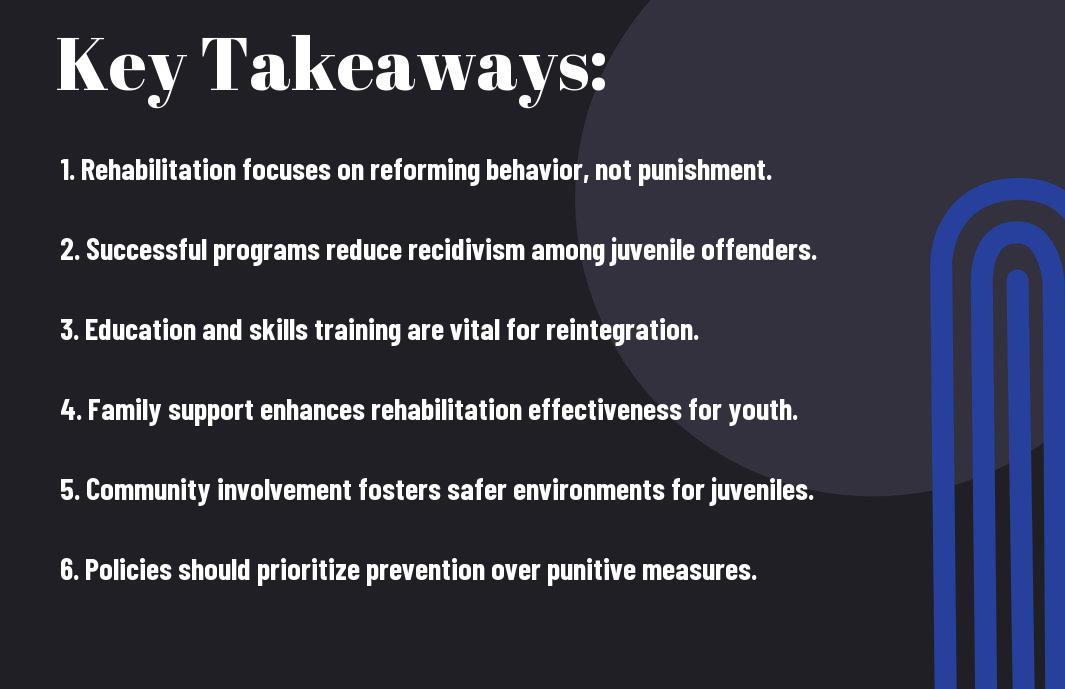
There’s a growing debate about how society should respond to juvenile crime, weighing the effectiveness of rehabilitation against punishment. As you navigate this complex issue, understanding the implications of both approaches is vital. This post explores into the arguments surrounding each method, exploring how a balance can be achieved to foster better outcomes for young offenders. By examining the evidence and potential pathways forward, you’ll gain insight into how to approach juvenile crime with an informed perspective that prioritizes societal safety and the well-being of youth.
Understanding Juvenile Crime
All stakeholders in the criminal justice system need to comprehend the complexities of juvenile crime. This understanding is important for developing effective interventions aimed at preventing recidivism and promoting positive outcomes for young individuals. You should be aware that juvenile crime often differs significantly from adult crime, influenced by developmental stages and socio-economic factors.
Current Statistics and Trends
Behind the statistics lies a troubling reality: juvenile crime continues to fluctuate, with particular spikes in violent offenses. Data indicates that while overall juvenile delinquency has seen a decline in recent years, certain categories, such as cybercrime and drug-related offenses, are on the rise. Engaging with current studies can provide you with valuable insights into these evolving trends.
Root Causes and Risk Factors
Above all, understanding the root causes and risk factors contributing to juvenile crime is vital for effective intervention. Several elements may predispose youth to criminal behavior, including:
- Poor family dynamics
- Socio-economic disadvantages
- Peer pressure and gang involvement
- Substance abuse
- Lack of educational opportunities
Recognizing these factors can help you advocate for more targeted, supportive measures that address underlying issues rather than merely treating the symptoms of juvenile delinquency.
In addition, various psychological and social factors can exacerbate the risk of juvenile crime in your community. These might include:
- Exposure to violence or trauma
- High levels of community disorganization
- Low parental supervision and support
- Access to firearms
Recognizing the comprehensive landscape of influences affecting youth can empower you to participate in initiatives designed to reduce juvenile crime effectively.
The Punishment Model
Now, the punishment model for addressing juvenile crime focuses primarily on retribution and deterrence rather than rehabilitation. This approach emphasizes the need to impose consequences on young offenders to discourage future criminal behavior. Critics argue that this model overlooks the unique developmental needs of adolescents and often fails to address the underlying issues driving their actions. You may find that this strategy leads to higher rates of recidivism, as it does not foster the personal growth or change needed for true rehabilitation.
Historical Development of Juvenile Incarceration
Between the late 19th and early 20th centuries, the juvenile justice system underwent significant transformation, moving away from mere punishment to a more rehabilitative focus. Early reformers viewed juvenile offenders differently than adults, advocating for a system that recognized their potential for change. However, as societal fears of crime grew, the punitive elements began to resurface, leading to the establishment of harsher incarceration practices aimed at young offenders.
Effectiveness and Limitations of Punitive Approaches
Between the increasing emphasis on punitive measures in the juvenile justice system, research has revealed mixed results regarding their effectiveness. While some believe that punishment discourages crime, studies demonstrate that punitive approaches often fail to reduce recidivism among youth. These measures can lead to further disengagement from society, as young individuals may become trapped in a cycle of incarceration rather than receiving the support necessary for positive change.
In fact, punitive approaches can exacerbate issues by creating environments that foster negative behaviors rather than addressing the root causes of delinquency. When you focus solely on punishment, you risk ignoring the critical developmental factors that contribute to a young person’s actions. This can lead to further alienation, increasing the likelihood of reoffending, as these youth may not receive the guidance or support necessary for personal transformation. Shifting towards a more rehabilitative model may ultimately yield better long-term outcomes for both the individual and society.
The Rehabilitation Model
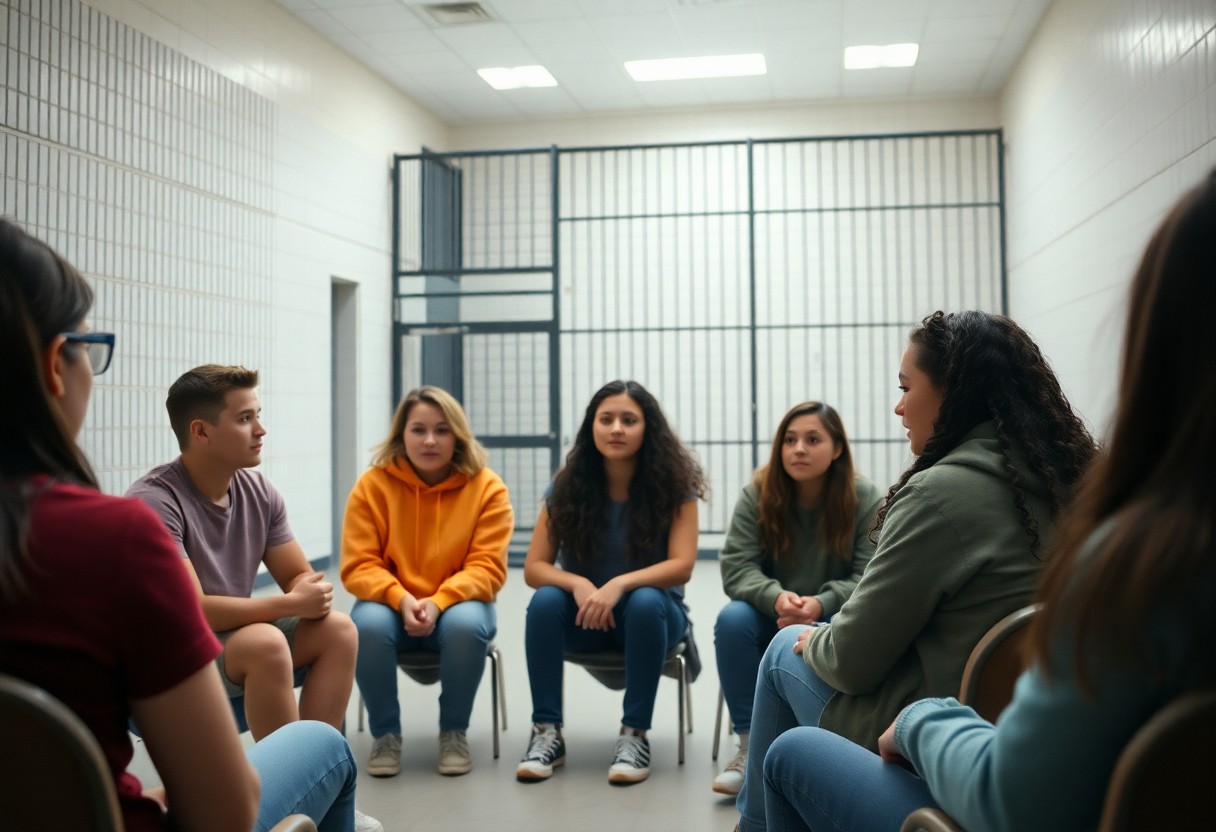
Many experts advocate for a rehabilitation model when addressing juvenile crime, as it focuses on understanding the root causes of delinquent behavior and fostering positive change. This approach encourages personal growth, skill development, and emotional support, allowing young individuals to reintegrate into society as constructive members. By emphasizing rehabilitation over punishment, you can contribute to breaking the cycle of crime and provide a more humane correctional system that prioritizes the potential for change in juveniles.
Theoretical Foundations of Juvenile Rehabilitation
Juvenile rehabilitation is anchored in various theories that prioritize developmental psychology and social learning. These frameworks underscore the importance of environmental influences and the capacity for change in young individuals. You may find that focusing on positive reinforcement, constructive feedback, and tailored interventions can lead to meaningful behavioral improvements, steering juveniles away from paths leading to reoffending.
Evidence-Based Rehabilitation Programs
Below are some effective evidence-based programs that have shown promising results in rehabilitating juvenile offenders. These programs include cognitive-behavioral therapies, mentoring initiatives, and family-focused interventions that encourage parental involvement. You can support these initiatives by advocating for their implementation and funding, as they have demonstrated significant reductions in recidivism rates, fostering safer communities.
The success of evidence-based rehabilitation programs lies in their foundation on solid research and data-driven practices. These programs are designed to address the unique needs of juveniles, utilizing techniques that have been proven to work through rigorous evaluations. By participating in or promoting such programs, you can help create environments that empower youth, assist them in developing important life skills, and significantly lower the likelihood of reoffending, ultimately benefiting society as a whole.
Comparative Analysis of Outcomes
To evaluate the effectiveness of rehabilitation and punishment in addressing juvenile crime, it is important to analyze the outcomes of each approach. The following table outlines some key differences in the results associated with rehabilitation programs compared to punitive measures.
Outcomes of Rehabilitation vs. Punishment
| Focus | Outcomes |
|---|---|
| Rehabilitation | Lower recidivism, improved social integration, enhanced life skills |
| Punishment | Higher recidivism, negative stigma, lack of support for reintegration |
Recidivism Rates Under Different Models
Below, you will find a breakdown of recidivism rates based on whether juveniles undergo rehabilitation or face punishment. Studies show a significant drop in repeat offenses for those who receive rehabilitative support compared to their peers subjected to punitive measures.
Cost-Benefit Analysis of Rehabilitation vs. Punishment
Above all, the economic implications of rehabilitation versus punishment deserve attention. A thorough assessment reveals that rehabilitation often yields greater long-term savings through reduced incarceration rates and lower crime costs.
A cost-benefit analysis demonstrates that investing in rehabilitation programs not only improves the lives of young offenders but also benefits society at large. By addressing underlying issues such as trauma and mental health needs, you create a productive citizen rather than a repeat offender, ultimately leading to safer communities and reduced financial burdens on the justice system. This approach emphasizes the importance of prioritizing rehabilitative methods over punitive measures in order to foster lasting change.

Case Studies and Success Stories
All around the world, numerous case studies highlight the effectiveness of rehabilitation over punishment in juvenile justice. Notable examples include:
- Sweden’s juvenile crime rate dropped by 30% after implementing restorative justice practices.
- The United States saw a 50% reduction in recidivism rates within youth rehabilitation programs over five years.
- New Zealand reported significant improvements in youth outcomes, with 80% of participants in rehabilitation programs avoiding reoffending.
- In Norway, the use of educational programs has led to a 60% decrease in youth incarceration rates.
International Approaches to Juvenile Justice
Between various countries, diverse approaches to juvenile justice showcase how rehabilitation can effectively reduce crime. For instance, nations like Finland and Germany emphasize integrating offenders back into society through education and support, leading to remarkable decreases in repeat offenses. Their systems are centered on understanding the underlying causes of criminal behavior, thereby fostering long-term success for youth.
Transformative Programs in the United States
One notable aspect of juvenile justice in the United States is the emergence of transformative programs that prioritize rehabilitation over punitive measures. These initiatives aim to address the root causes of delinquency, providing young offenders with the support they need to reintegrate into society successfully.
This shift towards rehabilitative practices includes programs such as mentorship initiatives, therapeutic courts, and community service opportunities. For example, the Juvenile Detention Alternatives Initiative (JDAI) has demonstrated significant success in reducing youth incarceration while improving community safety. Evidence suggests that providing educational support and mental health resources has led to lower recidivism rates and empowered youth to lead positive lives. By investing in effective programs, we can pave the way for a more just and supportive system for young individuals.

Integrated Approaches
Not all juvenile offenders fit neatly into the categories of rehabilitation or punishment. Integrated approaches address the multifaceted nature of juvenile crime, prompting a shift towards understanding the social, emotional, and environmental factors contributing to delinquency. By combining educational support, community service, and mental health resources, you can help facilitate a more comprehensive solution that addresses underlying issues while also holding youth accountable for their actions.
Restorative Justice Principles
Principles of restorative justice focus on healing rather than mere punishment. You engage offenders, victims, and the community in dialogue to restore relationships and foster understanding. This approach emphasizes accountability in a way that encourages personal growth and community involvement, promoting a more positive transformation for everyone involved.
Balancing Accountability with Development Needs
Against the backdrop of juvenile crime, it is crucial to balance accountability with the developmental needs of young offenders. You must recognize that the adolescent brain is still developing, influencing decision-making and impulse control. This understanding calls for a justice system that holds youth accountable while simultaneously providing education, counseling, and resources aimed at personal growth.
Hence, striking this balance is vital for fostering positive outcomes. By implementing programs that allow you to hold young offenders accountable without stifling their potential for growth, you are not just addressing the immediate effects of crime but also working toward long-term solutions. Supportive strategies that include mentorship and skills development can help reshape their paths and reduce recidivism while you cultivate a sense of responsibility and community engagement in their lives.
To wrap up
Taking this into account, you should understand that addressing juvenile crime requires a balanced approach that emphasizes rehabilitation over punishment. By fostering environments that encourage personal growth and accountability, you can help steer young individuals away from paths of criminality. Investing in supportive programs, education, and mental health resources is key to shaping a more positive future for these youths. Ultimately, your commitment to advocating for rehabilitation will contribute to reducing recidivism and creating safer communities for all.