
Crime committed by minors raises complex issues within the legal system, often making it difficult for you to understand how these young offenders are treated and what options are available to them. As you navigate this landscape, it’s necessary to explore the policies, procedures, and rehabilitative measures that influence the outcomes for underage offenders. This blog post explores into key aspects of the juvenile justice system, guiding you through the processes that determine how underage individuals are held accountable for their actions while also focusing on their potential for rehabilitation.
Overview of Juvenile Crime
The landscape of juvenile crime is increasingly complex, with various factors contributing to the actions of young offenders. The legal system faces unique challenges when addressing crimes committed by individuals under the age of 18, necessitating specialized interventions and support systems designed to rehabilitate rather than punish. Understanding this area is vital as it shapes our approach to preventing future offenses and fostering a safer community.
Definition and Trends
With the evolution of social norms and legal frameworks, juvenile crime encompasses offenses committed by individuals typically aged 10 to 17. Recent trends indicate fluctuating rates of juvenile offenses, influenced by socioeconomic factors, peer pressure, and access to technology. Awareness of these trends is necessary for stakeholders to effectively develop prevention and intervention strategies.
Types of Offenses
Along with understanding juvenile crime’s definition and trends, it’s important to recognize the various types of offenses that fall under this category. These can range from minor infractions to serious felonies, and understanding the distinctions can help tailor appropriate legal responses. Here’s a breakdown of common juvenile offenses:
| Type of Offense | Description |
|---|---|
| Property Crimes | Theft, vandalism, and burglary involving someone else’s property. |
| Violent Crimes | Assault, robbery, and other acts causing injury or harm to others. |
| Drug Offenses | Possession, distribution, and manufacturing of illegal substances. |
| Cyber Crimes | Criminal activities conducted via the internet, such as bullying or hacking. |
| Public Disorder Offenses | Minor infractions like trespassing or loitering that disrupt public peace. |
- Understanding these offenses can assist you in recognizing the various pathways to rehabilitation for juvenile offenders.
Offenses committed by juveniles can significantly impact their lives, shaping their futures and community dynamics. Awareness of the types of offenses gives you insight into the varying legal and social responses required to address these problems effectively. The following table outlines the main categories:
| Type of Offense | Example |
|---|---|
| Theft | Shoplifting items from a store. |
| Bully Behavior | Verbal or physical abuse towards peers. |
| Drug Use | Experimentation with substances like marijuana. |
| Gang Activity | Involvement in group-related crimes. |
| Graffiti | Defacing property with spray paint. |
- Recognizing these specific offenses can empower you to engage in prevention efforts and advocate for supportive measures rather than solely punitive actions.
The Legal Framework
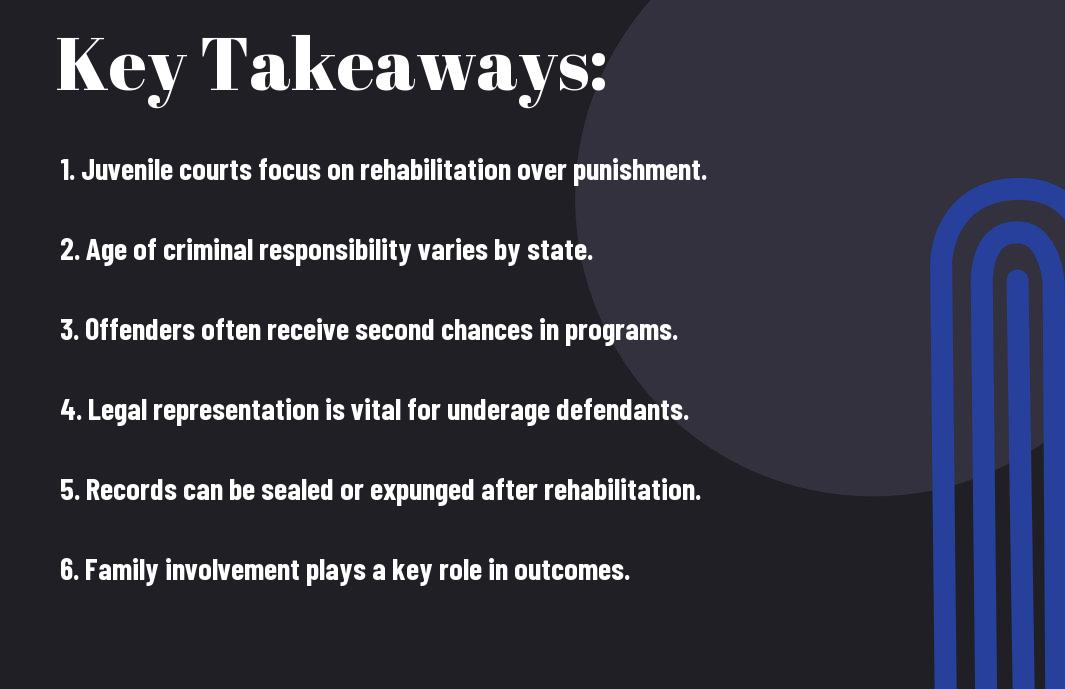
It is necessary to understand the legal framework governing juvenile crime, as it significantly influences how underage offenders are treated within the system. This framework is designed to focus on rehabilitation rather than punishment, acknowledging the developmental differences between juveniles and adults. Each state has its own laws and procedures, which outline how juveniles are processed, providing various options for intervention and support aimed at preventing future offenses.
Juvenile Justice System vs. Criminal Justice System
For you, it is important to recognize the distinction between the juvenile justice system and the adult criminal justice system. While both are designed to enforce the law, the juvenile system prioritizes rehabilitation and is tailored to address the unique needs and circumstances of young offenders. This difference manifests in terms of legal procedures, methods of punishment, and available support services.
Key Legislation and Policies
Between the various laws and policies that govern juvenile justice, the Juvenile Justice and Delinquency Prevention Act (JJDP) plays a pivotal role in shaping how your state handles young offenders. This act emphasizes the need for diversion programs and aims to reduce the reliance on incarceration for juveniles.
Also, many states have enacted additional legislation that aligns with the principles of the JJDP, such as laws promoting restorative justice practices. These policies focus on involving the community and victims in the rehabilitation process, ensuring that juveniles have access to education and mental health resources. By implementing these measures, the legal system seeks to address the root causes of juvenile crime and foster positive development, minimizing the likelihood of reoffending. Understanding these key laws can empower you to advocate for effective and compassionate approaches to juvenile justice.
Processing Juvenile Offenders
Keep in mind that processing juvenile offenders involves a series of distinct steps aimed at rehabilitation rather than punishment. The legal system acknowledges the developmental differences between adolescents and adults, emphasizing treatment and support over incarceration. As a result, the procedures and penalties differ significantly, focusing on redirecting young individuals towards constructive paths.
Arrest and Detention
Detention of a juvenile typically follows an arrest, where law enforcement evaluates the circumstances surrounding the offense. Unlike adult offenders, juveniles may be held in separate facilities designed for young people, emphasizing their age and developmental needs. The duration of detention hinges on the severity of the alleged offense and the individual situation, often leading to a hearing where the judge assesses the appropriateness of continued detention.
Legal Representation and Rights
One significant aspect of processing juvenile offenders is ensuring they have legal representation and understand their rights throughout the proceedings. You have the right to an attorney who can advocate for you and guide you through your case, helping to navigate the complexities of the juvenile justice system. It’s important to be aware that these rights exist to protect your interests, and having knowledgeable legal counsel can make a substantial difference in the outcomes of your case.
A dedicated attorney can help you understand your rights, including the right to remain silent and the right to a fair hearing. They will ensure that you are informed at every stage of the process, from arrest to any potential hearings. Your attorney is integral in achieving the best possible outcome, whether that involves negotiating for a diversion program or advocating for your interests in court. Having someone in your corner who is knowledgeable about juvenile law is vital to navigating these challenging waters.
Case Management and Dispositions
For underage offenders, the legal system employs a structured case management process that focuses on rehabilitation rather than punishment. This approach involves monitoring the progress of cases through various stages, ensuring that young people receive the support and intervention they need. The end goal is to address the root causes of delinquency and guide juveniles on a path towards positive behavior and reintegration into society.
Diversion Programs
For many juveniles, diversion programs offer an alternative to traditional judicial proceedings. These programs, designed to redirect young offenders away from the formal legal process, emphasize accountability and personal growth. By participating in community service, counseling, or educational workshops, juveniles can often avoid formal charges while addressing the underlying issues that contributed to their offenses.
Sentencing Options
Along with diversion programs, the legal system presents various sentencing options tailored to juvenile offenders. You may encounter alternatives that prioritize rehabilitation over incarceration, such as probation, restorative justice practices, or supervised release. These options aim to not only hold you accountable but also promote personal development and future success.
Hence, the focus on sentencing options in juvenile cases is directed toward empowering you to make positive choices moving forward. Through tailored interventions like probation or community service, the legal system seeks to address behavioral issues while avoiding the long-term consequences of incarceration. This proactive approach not only aids in your personal growth but also benefits society by reducing recidivism rates among young offenders.
Rehabilitation and Reintegration
Not all juvenile offenders are destined to repeat their mistakes; the legal system increasingly emphasizes rehabilitation over punishment. This approach focuses on addressing the underlying issues that contribute to delinquent behavior, helping young individuals reintegrate into society as productive citizens. Through tailored programs, your child can receive the guidance and support they need to overcome challenges and build a positive future.
Treatment Programs
At the forefront of juvenile rehabilitation are treatment programs designed to tackle specific behavioral, emotional, and psychological issues. These programs might include counseling, educational support, and skill-building activities, all aimed at rehabilitating your child and reducing the risk of reoffending. By focusing on personal development and emotional well-being, these interventions provide valuable life skills and coping mechanisms.
Role of Community and Support Services
About the role of community and support services in juvenile rehabilitation, they play a significant part in ensuring that young offenders have a strong support network upon reintegration. Various organizations, mentors, and volunteer programs offer mentorship and guidance, facilitating your child’s transition back into society. These resources help provide stability, foster positive relationships, and create a sense of belonging, which are vital for your child’s long-term success.
It is vital to engage community and support services as they bridge the gap between formal rehabilitation programs and everyday life. Each resource contributes uniquely to your child’s development, promoting educational opportunities, employment skills, and social engagement. By collaborating with these services, you enhance your child’s chances of overcoming past behaviors and building a fulfilling future, ultimately reducing the likelihood of recidivism.
Challenges in the Juvenile Justice System
Many challenges exist within the juvenile justice system, including systemic biases, limited resources, and insufficient programs for rehabilitation. These obstacles can hinder effective intervention and support for underage offenders. Ensuring that young people receive appropriate guidance and opportunities for positive change calls for an ongoing reassessment of policies and practices. Additionally, society must recognize the importance of addressing the root causes of juvenile delinquency to create a more equitable system.
Recidivism and Long-term Outcomes
On evaluating recidivism rates, it becomes evident that many juveniles who engage in criminal behavior may return to criminal activities later in life without proper support. Providing education, mental health resources, and state programs is necessary in lowering these rates. Investing in rehabilitation rather than punishment tends to yield more positive long-term outcomes for young offenders.
Socioeconomic Factors and Disparities
At the core of juvenile crime are socioeconomic factors that can lead to disparities in the treatment and outcomes of underage offenders. Youth from lower-income families might face challenges such as lack of access to quality education, stable housing, and supportive community resources that increase their likelihood of engaging in delinquent behavior. These disparities highlight the need for targeted interventions to address these systemic issues.
- Education systems need to be improved for all socioeconomic classes.
- Accessible mental health services should be available in all communities.
- Support for families in need must be prioritized to break the cycle of crime.
- Assume that addressing these issues early can prevent youth from entering the justice system.
A comprehensive understanding of socioeconomic factors and their influence on juvenile crime requires acknowledging these disparities. Factors such as poverty, unstable family dynamics, and limited access to extracurricular activities can shape a young person’s decisions. As a result, tailored programs are necessary to combat the higher rates of youth incarceration in disadvantaged communities.
- More resources should be directed to community organizations working with at-risk youth.
- Policies should aim to provide economic support and education for families in need.
- Collaboration between schools and local agencies can enhance intervention efforts.
- Assume that engaging youth in positive development programs can foster resilience against crime.
Summing up
To wrap up, understanding how the legal system addresses juvenile crime is crucial for grasping the complexities of underage offenders’ treatment. You should be aware that juvenile laws emphasize rehabilitation over punishment, offering alternatives to incarceration, such as community service and counseling. This approach aims to assist young individuals in learning from their mistakes and reintegrating into society. By recognizing these processes, you can appreciate the balance the legal system seeks between accountability and guidance, ultimately fostering a safer community for everyone.