
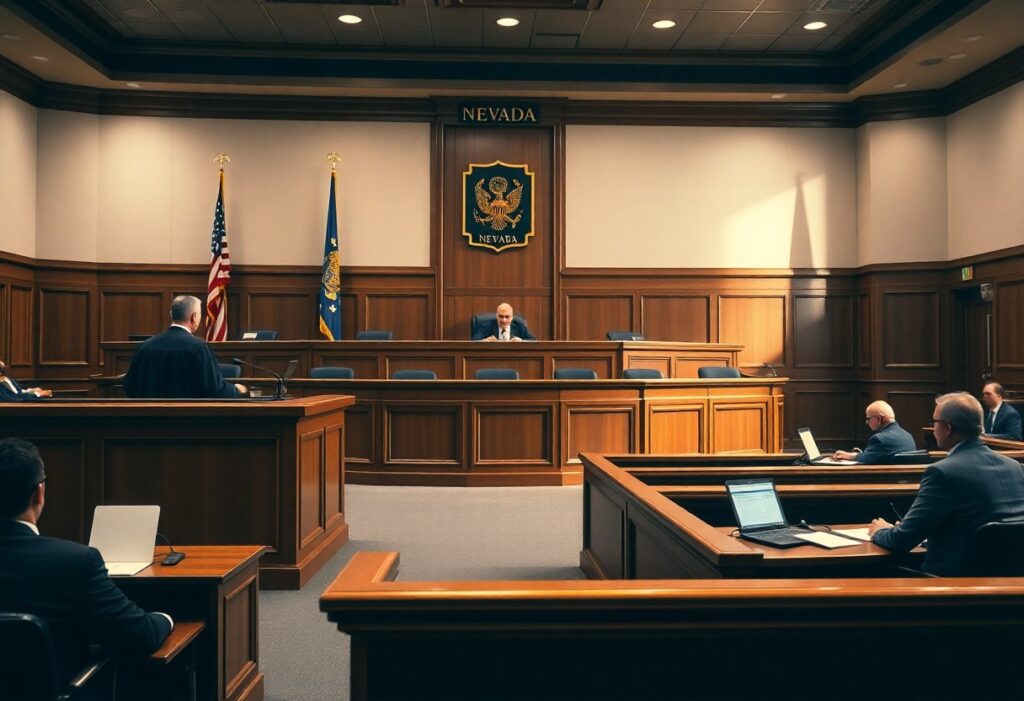
Criminal trials in Nevada follow a structured process designed to protect your rights while ensuring justice. You will experience jury selection, opening statements, presentation of evidence, witness testimony, and closing arguments. Understanding each phase helps you prepare for what comes next in court.
The Jury Selection Gambit
You face a strategic phase where both sides shape the jury that will decide your fate. Attorneys ask questions to uncover biases, and you have a say through peremptory challenges. Each choice matters-personalities, backgrounds, and instincts all come into play. This is your first real test of persuasion, long before evidence is presented.
Opening Statements in the Neon Heat
What Happens During Opening Statements
You’ll sit quietly as both attorneys stand before the jury, laying out what they intend to prove. Each side gets a chance to tell the story behind the charges, painting a picture of the evidence to come. The prosecution goes first, outlining the case against you with facts they believe will hold up in court. The defense follows, offering your side of the story and challenging the state’s narrative from the start. These statements don’t include arguments or testimony-just a roadmap of what’s ahead. You’ll hear promises of evidence, witness names, and key moments that will shape the trial. Pay close attention; this is your first real glimpse into how both sides plan to frame the case.
The Witness Stand Purgatory
You may spend long stretches waiting to testify, often without explanation or timeline. The court moves at its own pace, and delays are common as attorneys consult, judges rule, or other witnesses proceed. You’ll sit, watch, and wait-sometimes for hours-while your moment on the stand remains just out of reach. Patience becomes your only option.
The Evidence and the Exhibits
You’ll see both sides present physical items, documents, photos, and digital records as exhibits during the trial. Each piece must be authenticated and deemed relevant by the judge before it reaches the jury. You may hear objections when evidence pushes legal boundaries. Pay attention-what’s admitted can strongly shape the outcome of the case.
Closing Arguments and the Last Stand
You’ll hear the prosecutor go first, summarizing the evidence and explaining why it proves your guilt beyond a reasonable doubt. Then the defense delivers their closing, challenging the state’s case and reinforcing doubt. You have the right to remain silent, but if you testified, your words will likely be revisited. The jury watches closely, absorbing each side’s final pitch before retreating to deliberate.
The Deliberation and the Verdict
Jurors retire to a private room to review the evidence and discuss the case after closing arguments. You wait outside the courtroom, unable to influence their discussions. They must reach a unanimous decision on your guilt or innocence. The judge provides instructions to guide their reasoning. A verdict is returned when they’re ready, and the court reconvenes to announce it.
To wrap up
With this in mind, you can expect a Nevada criminal trial to follow a clear sequence: arraignment, jury selection, opening statements, presentation of evidence, closing arguments, jury instructions, and verdict. You have the right to be present, to question witnesses, and to remain silent. The prosecution must prove guilt beyond a reasonable doubt, and your defense will challenge that case at every stage.