

Most times you strengthen your defense by being candid with your attorney, providing documentation, asking clear questions, and following strategic legal advice.
Selecting the Ideal Legal Representative
Essential factors to evaluate in a drug defense specialist
- Relevant case types handled
- Local court and judge experience
- Trial verdicts and motion success
- Communication style and fees
Compare attorneys’ case histories, communication style, and fee structure to see who fits your needs. Perceiving their courtroom tactics and strategy will help you decide quickly.
Confirming jurisdictional expertise and prior trial experience
Verify that the attorney has handled cases in your county and before the assigned judge; ask for outcomes and sample motions. This shows whether their trial approach suits your defense.
Ask for specific examples of jury trials, suppression hearings, and contested evidentiary rulings in your jurisdiction; request transcripts, verdicts, and client references so you can assess real-world performance. Examine how they handled local prosecutors, plea bargaining patterns, and sentencing outcomes, and probe their plan for jury selection, expert witnesses, and cross-examination to ensure their strategy matches your priorities.
Establishing a Strategic Partnership
Partnering with your attorney requires open communication and trust; you should share every detail, ask questions about options, and agree on priorities so your legal strategy reflects your goals and proceeds efficiently.
How-to prepare for the initial comprehensive case evaluation
Gather documents, contact information, witness names, and a clear timeline of events; you should prepare a concise summary and a list of questions to help your attorney evaluate defenses and evidence.
Defining clear roles and responsibilities within the defense team
Clarify who handles investigation, motions, client communication, and expert coordination so you know whom to contact and which tasks each team member will perform.
Agree on timelines for filings, specify who gathers and preserves evidence, outline approval processes for pleas or settlements, set expectations for regular updates, and confirm your responsibilities for providing information or attending interviews.
Facilitating Full Disclosure and Transparency
Openly share every fact, even minor details, so your attorney can spot inconsistencies and shape defenses; include timelines, participants, locations, communications, and any physical evidence.
Tips for providing a comprehensive narrative of the incident
Provide a concise, chronological account noting where you were, who was present, what you said or did, and any immediate follow-up actions.
- Note dates, times, and locations with approximate accuracy.
- Gather texts, photos, receipts, and witness contacts for your attorney.
- Assume that you may need to repeat this account under oath; be precise and consistent.
Utilizing attorney-client privilege to safeguard sensitive information
Protect sensitive details by invoking attorney-client privilege before disclosing them; your attorney will explain which communications remain confidential and which require disclosure.
Understand that privilege covers confidential communications seeking legal advice but excludes plans to commit future crimes or certain third-party disclosures; you should be fully candid so your lawyer can assert privilege, file protective motions, redact where appropriate, and limit disclosure during discovery and hearings.
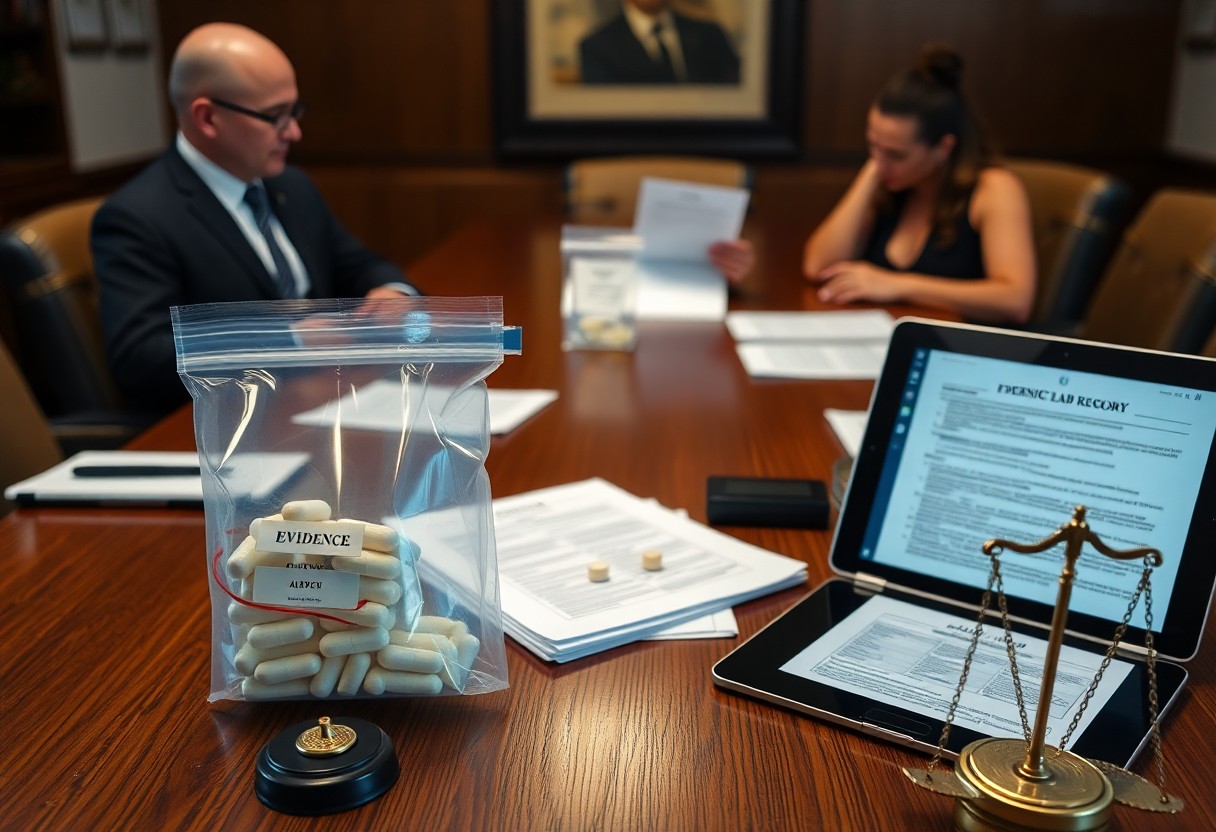
Collaborative Evidence and Discovery Management
Collaboration with your attorney ensures timely exchange of evidence, coordinated discovery responses, and strategic review to strengthen your defense.
How-to organize documents and records related to your defense
Organize documents chronologically and by type, label originals versus copies, and provide digital backups your attorney can access securely.
Reviewing the prosecution’s evidence for constitutional violations
Examine the prosecution’s files with your attorney to identify unlawful searches, coerced statements, chain-of-custody gaps, or withheld Brady material that may support suppression motions.
You should ask your attorney to check police reports, body‑camera footage, lab results, and metadata for signs of improper procedure, invalid warrants, or altered evidence. Ask them to assess interviews for Miranda or coercion issues and to verify witness identification practices while pursuing full Brady disclosures. Your team can hire forensic or procedure experts to challenge unreliable testing or broken custody chains at suppression hearings.
Optimizing Communication Protocols
You should establish clear methods for updates, designate a primary contact, and set response time expectations so nothing is missed. Use secure channels for sensitive files and confirm receipt of key documents to reduce delays.
Tips for maintaining consistent and productive contact with your lawyer
Keep regular check-ins scheduled, agree on preferred contact method, and set clear response expectations.
- Weekly brief updates
- Immediate alerts for new evidence
- Confirm receipt of documents
After each exchange, summarize agreed next steps in writing.
Streamlining the exchange of information throughout the litigation process
Organize a secure central folder for case files, label documents clearly, and timestamp exchanges so you and your attorney can track progress and avoid duplication.
Document each submission with a short index showing source, date, and relevance, and include a brief note on how it supports your defense. Use consistent file names and a shared discovery checklist so your attorney locates items quickly. Limit sensitive transfers to encrypted channels, set clear deadlines for responses, and review the repository together to resolve gaps and assign responsibility.
Navigating Critical Decision Points
You should work with your attorney to map decision points, assess evidence strength, potential penalties, and strategic timing, and align choices with your goals and risk tolerance while preparing for quick responses as circumstances change.
Factors involved in weighing plea negotiations versus going to trial
Assess the prosecution’s case strength, sentencing exposure, witness reliability, and evidentiary risks while weighing trial costs and time. After you and your attorney compare these factors, decide whether a negotiated plea or trial better protects your interests.
- Evidence strength and admissibility
- Possible sentence and sentencing enhancements
- Witness credibility and availability
- Terms and safeguards in any plea offer
- Collateral consequences like employment or immigration
- Time, cost, and public exposure of a trial
Understanding the long-term implications of various defense tactics
Consider how different tactics affect your criminal record, future employment, immigration status, professional licenses, and access to housing or benefits, and ask about sealing, expungement, or diversion options early.
Examine each tactic’s downstream effects with your attorney: a plea may reduce immediate risk but create a lasting conviction that limits jobs, licensure, and immigration relief; motions or trial strategies can seek dismissal but may raise costs and public scrutiny. You should prioritize approaches that minimize long-term harm and preserve post-conviction remedies when possible.
Conclusion
Conclusively you must disclose all facts to your attorney, follow investigative instructions, supply documents and witnesses promptly, challenge evidence through skilled motion practice, and trust informed counsel to pursue plea alternatives or trial strategies that protect your rights.