

There’s no substitute for an experienced trial defense attorney guiding you through plea decisions, evidence review, witness preparation, and courtroom strategy to maximize your chances of acquittal or reduced penalties.
Selecting the Right Advocate: Key Factors for Success
Choose an advocate who matches your case goals; weigh these traits:
- trial record
- local judge knowledge
- clear communicator
This narrows your focus during interviews and consultations.
Evaluating trial-specific litigation experience
Examine the attorney’s actual trial docket, asking about jury verdicts, evidentiary objections won, and lead roles in contested hearings so you can assess courtroom readiness.
Assessing reputation and courtroom rapport
Observe peer reviews, bar references, and how opposing counsel treats the attorney; you should look for respect, credibility, and juror engagement during proceedings.
Look for published verdicts, recorded hearings, and testimonials that show jurors’ and judges’ reactions; contact former clients and co-counsel to confirm the attorney’s courtroom demeanor and consistency under pressure.
How to Build a Comprehensive Defense Strategy
You and your attorney map every angle, integrating witness statements, forensic findings, and legal precedents into a defense that anticipates prosecution tactics and preserves challenges for trial.
Analyzing evidence for procedural inconsistencies
Scrutinize police reports, surveillance, and lab results to spot chain-of-custody gaps, inconsistent timelines, or rights violations you can use to suppress evidence or impeach witnesses.
Developing a cohesive and persuasive narrative
Craft a consistent, jury-focused theme that ties facts, motive, and credibility into a believable story you can defend under cross-examination.
Outline the narrative’s chronology and core message, then test it against witness statements and forensic timelines so you can patch contradictions before trial. Use demonstrative aids, credibility-building details, and rehearsed witness framing to make the story clear to jurors and to weaken the prosecution’s version.
Essential Tips for Pre-Trial Preparation
Preparation means organizing evidence, timelines, and strategy with your attorney to reduce surprises. Knowing how early clarity shapes your motions and trial tactics helps you make decisive choices.
- Collect and label key documents and exhibits.
- Chronicle timelines and witness statements for quick reference.
- Meet regularly with counsel to refine themes and anticipate challenges.
Mastering the discovery and deposition process
You should prioritize thorough document review, anticipate opposing questions, and work with counsel to craft concise, truthful responses.
Preparing witnesses for high-pressure testimony
Practice sessions let you and witnesses rehearse answers, manage nerves, and project credibility under questioning.
When coaching witnesses, you should run realistic mock examinations that replicate cross-examination intensity and pace. You must teach brief, factual answers, discourage speculation, and practice phrases like “I don’t recall” or “I don’t know” to avoid guessing. Allow time for calming techniques, review key documents until they feel natural, and discuss how to handle objections and sidebar questions without volunteering extra information.
Critical Factors in Jury Selection and Engagement
Jury composition drives outcomes, so you watch responses, probe with targeted voir dire, and note life experiences.
- Bias signs: evasive answers, closed posture
- Engagement signs: follow-up questions, eye contact
Perceiving these cues guides your strikes and messaging.
Identifying potential bias during voir dire
You ask layered questions, press inconsistencies, and observe nonverbal reactions to uncover implicit bias, then use challenges and follow-ups to clarify attitudes that could taint deliberations.
Establishing credibility from the opening statement
Openings set expectations, so you present a concise, honest theme, preview evidence, and show confidence; jurors gauge your trustworthiness by tone, clarity, and transparency.
Build credibility by opening with a clear, plausible story that aligns with your evidence; you should acknowledge weaknesses briefly, use plain language, and rely on measured tone and solid exhibits. Introduce witnesses with context, control pacing and body language, and rehearse delivery so jurors perceive consistency and honesty throughout the trial.
How to Navigate Complex Courtroom Procedures
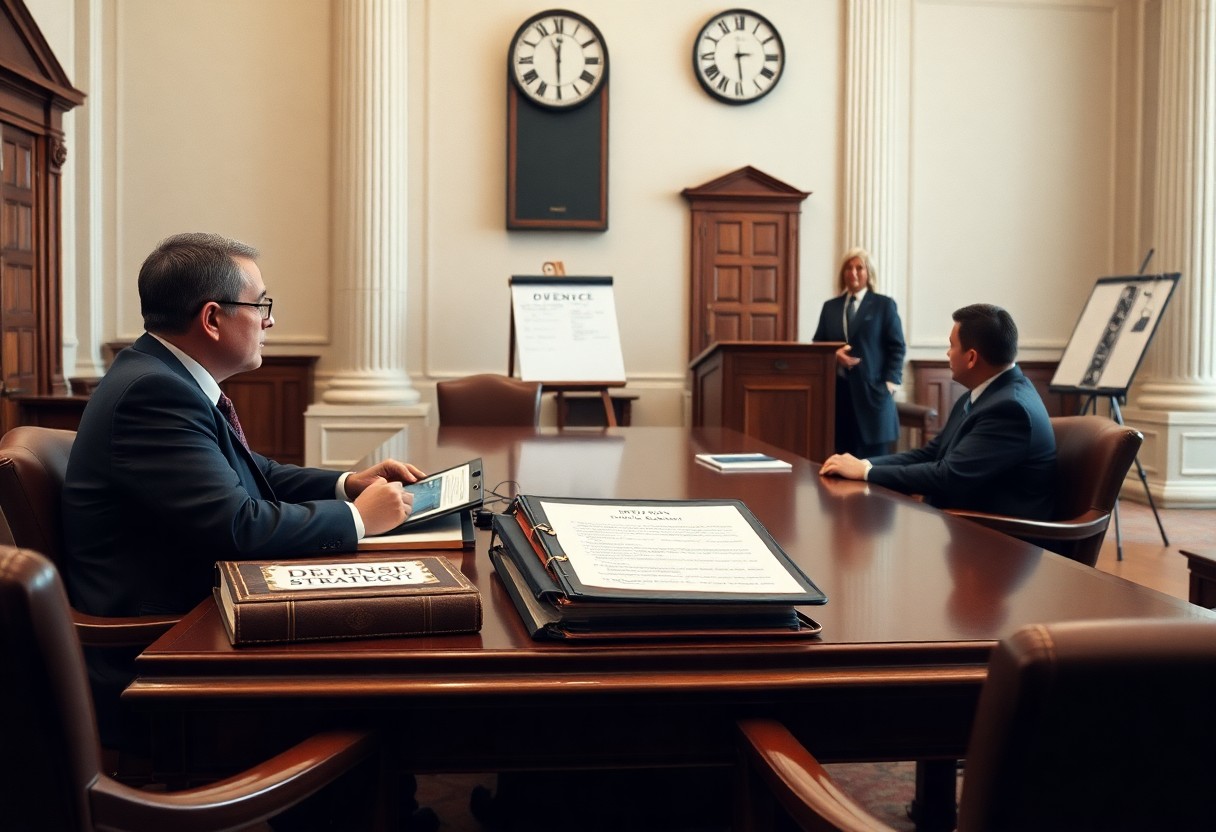
Courtroom procedures follow strict rules and tight deadlines; your attorney ensures filings meet requirements, prepares you for hearings, and safeguards procedural rights so you can concentrate on case strategy.
Utilizing expert witnesses to bolster your case
Experts clarify technical issues for juries; your attorney secures credible witnesses, prepares them for testimony, and connects their opinions to your defense to strengthen credibility.
Managing objections and evidentiary challenges
Objections demand split-second responses; your attorney anticipates opposing moves, sustains or rebuts objections confidently, and preserves issues for appeal so you maintain trial protections.
Handling evidentiary disputes requires thorough preparation: your attorney researches admissibility standards, establishes proper foundation for exhibits, frames witness testimony to avoid hearsay, and files timely motions in limine; you benefit when unreliable evidence is excluded and the record is preserved for post-trial review.
Strategic Tips for a Powerful Closing Argument
Craft your closing to bind evidence, witness credibility, and legal theory into a sharp narrative that guides jurors to doubt beyond a reasonable standard. Knowing when to slow, emphasize, or pivot creates memorable moments that push deliberations toward acquittal.
- Frame the central theme
- Expose key inconsistencies
- Connect evidence directly to reasonable doubt
Synthesizing facts into a logical mandate for acquittal
Synthesize facts chronologically and legally so jurors see a single logical path to acquittal; you highlight gaps, explain motives or lack thereof, and demonstrate why alternative explanations leave reasonable doubt.
Addressing the jury’s final concerns and questions
Anticipate jurors’ final concerns; you answer them directly, repeat pivotal evidence, and translate complex points into plain choices so doubts diminish and deliberations favor acquittal.
Prepare to map each lingering question to specific testimony or documents, neutralize credibility issues with concrete contrasts, and use simple timelines or analogies so jurors can test the prosecution’s story against common sense; you then remind them that any reasonable doubt requires a not guilty verdict.
Conclusion
To wrap up, you improve your chances of winning when an experienced trial defense attorney prepares evidence, challenges prosecution claims, and presents persuasive arguments while protecting your rights and guiding strategic courtroom decisions.