
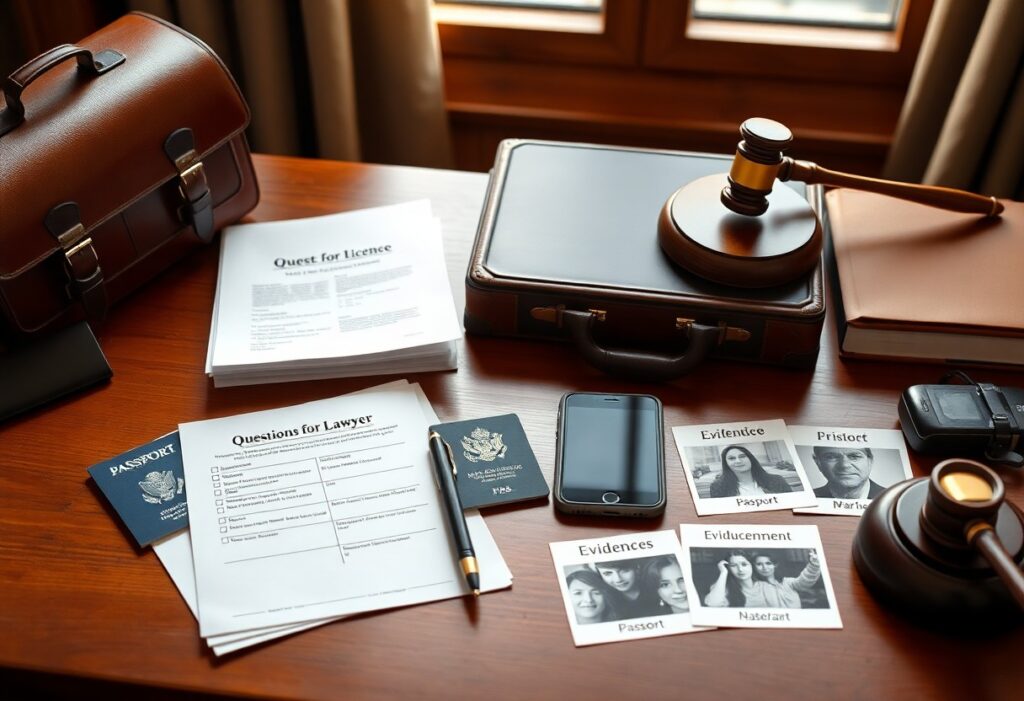

Legal preparation helps you organize documents, list questions, outline the timeline, and present facts clearly so you can make informed decisions during your first meeting with a criminal lawyer.
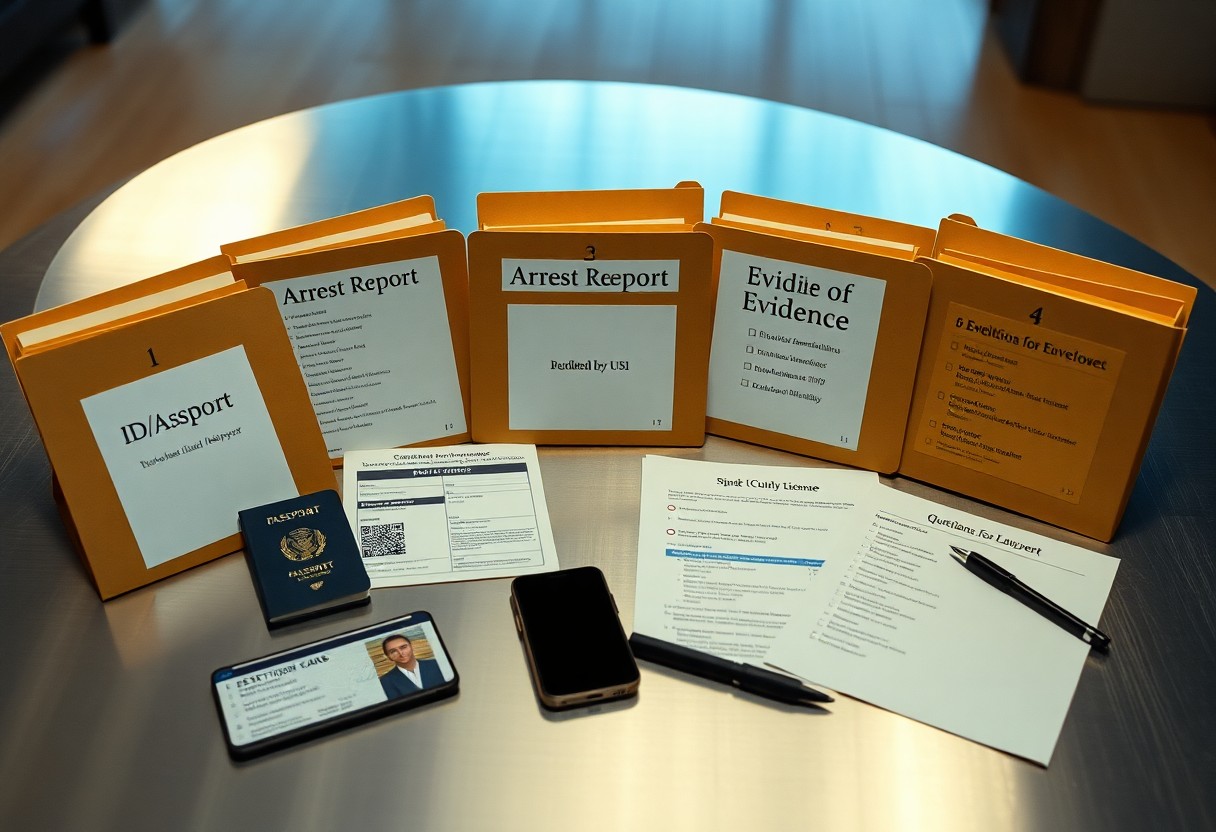
Compiling Essential Legal Documentation
Gather court notices, subpoenas, bail receipts, witness names, and any correspondence so your lawyer can establish timelines and identify immediate issues before the first meeting.
Police Reports and Charging Documents
Bring copies of police reports, arrest records, charging documents, and any plea offers so your attorney can verify facts, spot inconsistencies, and plan next steps.
Relevant Physical and Digital Evidence
Collect photos, videos, text messages, call logs, social media posts, and physical items; label where and when each was obtained to help your lawyer assess authenticity and relevance.
Organize physical items in labeled, sealed bags and note where and when you obtained each item so your lawyer can assess chain of custody. Make digital copies, preserve original files, export messages with timestamps and account details, and store backups offline. Providing context about how evidence was created and stored helps your attorney plan authentication, preservation motions, or forensic analysis.
Constructing a Detailed Chronological Narrative
You should list every event in strict time order, noting dates, times, locations, actions taken, and how you know each fact; mark uncertainties, highlight corroborating documents, and flag gaps your lawyer must address.
Drafting a Written Statement of Facts
Draft a concise written statement that sets out observable facts in order, avoids speculation, uses plain language, and highlights supporting documents so your lawyer can assess timelines, inconsistencies, and evidentiary needs fast.
Identifying Potential Witnesses and Contacts
List names, contact details, relationship to the events, what each person observed, their availability, and whether they already gave a statement or may have biases or motives that affect credibility.
Consider prioritizing witnesses by proximity to the events and reliability, preparing brief notes of expected testimony, documenting best contact methods, and drafting specific questions to confirm times, actions, and inconsistencies so your lawyer can plan interviews and subpoenas efficiently.
Formulating Strategic Questions for Counsel
Ask targeted questions about plea options, prosecution evidence, likely timelines, and communication expectations so you can assess whether the attorney’s approach matches your priorities.
Evaluating Experience and Case Specialization
Compare the lawyer’s trial frequency, published case results, and specific work with charges like yours so you can judge their familiarity and likely courtroom effectiveness.
Inquiring About Potential Legal Outcomes
Discuss realistic best‑ and worst‑case scenarios, sentencing ranges, and factors that could change outcomes so you can set practical expectations and plan next steps.
Explore statistical outcomes in similar cases, the lawyer’s typical plea versus trial rates, mitigation tactics they would pursue, and any collateral consequences-immigration, employment, custody-that could influence decisions, and ask how they quantify risks so you can weigh accepting a plea against proceeding to trial.
Financial Transparency and Fee Structures
Ask about hourly versus flat fees, how the firm estimates total cost, who will handle your case, and how often you’ll receive invoices; insist on itemized bills so you can track charges and spot errors.
Retainer Agreements and Billing Practices
Check the retainer agreement for scope of work, retainer amount, how fees are drawn down, billing increments, refund or replenishment terms, and whether you’ll get regular statements to review charges.
Additional Costs and Litigation Expenses
Clarify which expenses are extra-expert‑witness fees, investigators, court filing costs, travel, or copying-and whether those are billed as incurred or included in estimates; ask who approves significant expenditures on your behalf.
Budget for unpredictable items by requesting a written estimate and a spending cap for nonimperative expenses; require prior approval for investigators or experts, ask for receipts for third‑party charges, and discuss phased work or payment plans to limit surprises while preserving strong defense options.
Establishing Communication Protocols
Set clear expectations for who contacts you, typical response times, and which matters require immediate notification so you avoid surprises and keep your case moving efficiently.
Preferred Methods of Contact
Clarify whether your attorney prefers phone, secure portal, or email, and decide when you should use each-reserve calls for emergencies and portals for confidential documents to keep communication organized.
Privacy and Attorney-Client Privilege
Understand that communications with your lawyer are generally protected, but privilege can be lost by third-party disclosure or by discussing plans for future crimes; ask how written and digital messages are safeguarded.
Ask your lawyer how they store emails, texts, and notes, whether they use encrypted client portals, and what protocols limit access to your file. If others-family, employers, or co-defendants-need information, make sure you obtain written consent to avoid waiving privilege. Avoid discussing your case details on social media or in group messages to preserve confidentiality.
Conclusion
As a reminder, prepare your documents, list questions, and be honest with your lawyer so you can make informed decisions; doing so helps you understand charges, assess options, and set realistic expectations before the case proceeds.