

Most individuals with criminal charges face significant social stigma that can hinder their personal and professional growth. Understanding how to navigate this stigma is important for rebuilding your life and reputation. This blog post will discuss practical strategies you can implement to overcome the barriers imposed by society, helping you to regain confidence, rebuild relationships, and create a path toward a brighter future. Armed with the right knowledge and tools, you can break the cycle and foster a more positive perception of yourself amidst adversity.

Understanding the Social Stigma of Criminal Charges
Before delving into strategies for overcoming social stigma, it is vital to understand what the stigma of criminal charges entails. This stigma not only labels you as a criminal but can also have long-lasting effects on your personal and professional relationships. Societal perceptions often lead to unfair treatment, making it challenging for you to reintegrate into your community and rebuild your life after serving your sentence.
The Psychology Behind Criminal Stigmatization
Any discussion about criminal stigmatization reveals deeply ingrained societal beliefs that categorize individuals based on past offenses. These perceptions can create an emotional barrier, where you feel judged or devalued, irrespective of your efforts to change. The psychological impacts of this stigma may affect your self-esteem and mental well-being, making it harder for you to move forward.
How Stigma Impacts Reintegration and Recovery
On the journey of reintegrating into society, stigma acts as a formidable obstacle. You may find that potential employers, friends, and even family members view you through the lens of your past, which can hinder your opportunity for employment and social acceptance. This ongoing discrimination may lead to feelings of isolation and contribute to mental health challenges, making your recovery process even more difficult.
Understanding the impact of stigma on your reintegration and recovery is vital. It can create barriers in securing housing, employment, and forming new relationships, reinforcing a cycle that is difficult to break. Instead of being viewed holistically, you might be boxed into a label that overshadows your efforts to rebuild your life. Navigating this stigma requires resilience and a strategic approach to foster understanding and acceptance within your community.

Legal Rights and Protections
It is vital to understand your legal rights and protections when dealing with the aftermath of criminal charges. Familiarizing yourself with these rights can empower you to navigate the complexities of the justice system, ensuring that you are treated fairly and equitably in various situations. Knowing what is available to you can make a significant difference in overcoming the social stigma attached to criminal charges.
Record Expungement and Sealing Options
Options for record expungement and sealing are available in many jurisdictions, allowing you to eliminate or limit public access to your criminal record. This process can significantly enhance your opportunities in areas such as employment and housing. By pursuing expungement, you can take important steps towards rebuilding your life and moving past the labels associated with your past charges.
Anti-Discrimination Laws and Regulations
Protections against discrimination are in place to safeguard your rights as someone with a criminal record. These laws serve to prevent employers and landlords from treating you unfairly based solely on past legal issues. Understanding these regulations can empower you in your efforts to find employment and housing while ensuring that you are not unjustly excluded from opportunities simply because of your history.
Legal protections under anti-discrimination laws vary by state but are designed to prohibit negative treatment based on a criminal record. For instance, the Equal Employment Opportunity Commission (EEOC) provides guidelines to prevent discrimination in hiring practices. Additionally, Fair Housing laws support your right to secure housing without prejudice. It’s necessary to be aware of these protections so you can advocate for yourself effectively in the employment and housing markets, thus overcoming the barriers that often accompany a criminal past.
Building a Support Network
Now is the time to prioritize building a strong support network as you work to overcome the social stigma associated with criminal charges. Connecting with individuals who understand your experiences and can offer encouragement is vital. This support system can empower you to change your narrative, foster personal growth, and provide a buffer against negative societal perceptions. Seek out organizations, community groups, or online platforms that resonate with your journey, and engage actively to foster meaningful relationships.
Finding Supportive Communities and Mentors
On your path to recovery and reinvention, finding supportive communities and mentors can significantly uplift your journey. Look for local organizations, workshops, or online forums that align with your interests and experiences. Surrounding yourself with individuals who have faced similar challenges can create a sense of belonging and understanding. Seek out mentors who can provide guidance, share their insights, and encourage you to pursue your goals despite the labels that may be attached to your past.
The Role of Family in Overcoming Stigma
The support of your family can play a significant role in navigating the social stigma linked to criminal charges. Their understanding and encouragement can help counteract negative perceptions while providing a safe space for personal growth. With family members who genuinely believe in your ability to change, you can feel more confident in your journey. Their unconditional love and support serve as a reminder that you are not defined by your past; rather, you have the power to shape your future.
Mentors can also complement the familial support you receive. They can offer a unique perspective and experience that family members might not possess, thereby broadening your understanding of overcoming stigma. By having both family support and mentorship, you create a well-rounded network that empowers you. This diverse array of influences can motivate you to embrace your potential, challenge societal expectations, and ultimately build a future that reflects your true self.
Employment Strategies
After facing criminal charges, securing employment can seem daunting, but employing strategic approaches can enhance your chances. Focus on building a strong resume that highlights your skills and experiences, and consider leveraging networking opportunities to connect with potential employers. Additionally, consider seeking out organizations that specialize in assisting individuals with records, as they can provide tailored support and resources to help you navigate the job market effectively.
Disclosure Approaches in Job Applications
About disclosing your criminal record in job applications, it’s important to strike a balance between honesty and strategy. Evaluate the type of job and the relevance of your record to the position. Some candidates choose to address their record in a cover letter, while others prefer to wait until an interview. Ultimately, transparency can build trust, but timing and context are key.
Industries More Open to Hiring Those with Records
The landscape of employment is shifting, and numerous industries now demonstrate a willingness to hire individuals with criminal records. Fields such as construction, food service, and some non-profit organizations often have more inclusive hiring practices. Many employers in these sectors recognize the value of diverse life experiences and emphasize skills over past mistakes.
With an increasing number of organizations understanding the importance of second chances, you may find opportunities in industries that prioritize skills and capabilities over your past. Lean on trade skills, customer service experience, or any specialized training you possess, as these can make you an attractive candidate. Furthermore, some companies even implement “ban the box” policies, which allow applicants to be considered based on their qualifications first, thereby reducing the emphasis on criminal history during the hiring process.

Education and Personal Development
Many individuals with criminal charges face barriers that can hinder their personal and professional growth. Yet, education and personal development offer a pathway to overcoming these challenges. By focusing on self-improvement, you can build the skills and knowledge necessary to redefine your identity, improve your employability, and enhance your overall quality of life. Taking proactive steps towards education can help break the cycle of stigma associated with your past.
Pursuing Further Education After Criminal Charges
Pursuing further education is a powerful way to change your narrative and open new doors. Many institutions and programs are available for individuals with criminal records, providing supportive environments where you can gain skills and qualifications. By enrolling in these programs, you not only increase your knowledge but also demonstrate a commitment to personal growth and community reintegration.
Skills Development and Certification Programs
Development of specific skills through targeted training programs can be a game-changer for your future. Certification programs enable you to acquire practical skills that employers value, making you more competitive in the job market. Additionally, these opportunities often focus on in-demand fields, helping you secure better positions and contributing to a positive self-image.
Education in the form of skills development and certification programs equips you with the necessary tools to thrive in the workforce. Many organizations offer courses tailored to individuals with criminal backgrounds, providing a supportive atmosphere where you can learn various trades and technical skills. Completing these programs not only enhances your qualifications but also reinforces your dedication to personal growth, making it easier for potential employers to see beyond your past. Engaging in such programs fosters resilience, preparing you for a successful and meaningful future.
Mental Health and Resilience
Unlike the common perception that criminal charges define your worth, your mental health and resilience play an imperative role in overcoming the associated stigma. Cultivating resilience can empower you to navigate the challenges of your circumstances, allowing you to focus on personal growth and the positive changes you can make in your life. By nurturing a strong mental foundation, you can combat feelings of despair and emerge with a renewed sense of purpose.
Addressing Shame and Self-Stigmatization
Addressing feelings of shame and self-stigmatization is vital in reclaiming your self-worth. You may find it helpful to acknowledge these feelings without judgment and understand that they are a natural response to your experiences. Connecting with others in similar situations can help you realize you are not alone, fostering a supportive environment that encourages healing and growth.
Professional Resources for Psychological Support
About seeking professional support, accessing psychological resources can significantly enhance your resilience and mental well-being. Trained therapists and counselors can provide a safe space to process your feelings, develop coping strategies, and work on rebuilding your self-image. Support groups, both online and in-person, can also offer a sense of community and understanding, creating valuable connections with others facing similar challenges.
A wide array of professional resources are available to support your mental health journey. Many therapists specialize in issues related to trauma, stigma, and reintegration, ensuring you receive tailored support. Online platforms now offer accessible counseling services, making it easier for you to find help that fits your needs and schedule. Additionally, local community organizations often provide group therapy sessions and workshops focused on rebuilding self-esteem and resilience, creating varied opportunities for personal development.
To wrap up
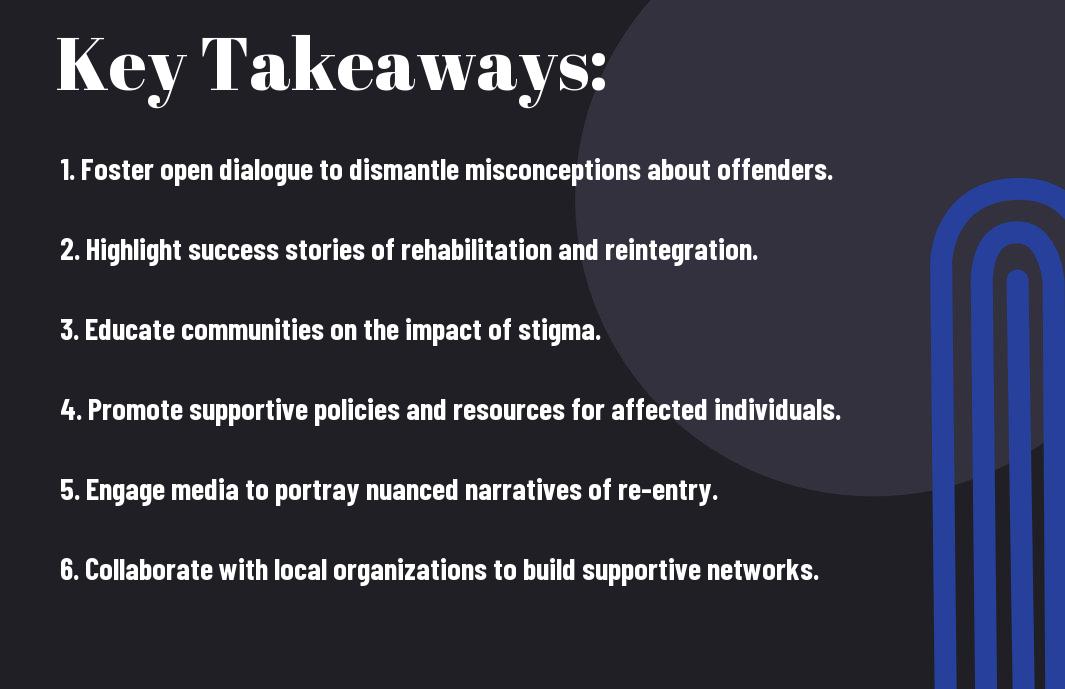
Considering all points, breaking the cycle of social stigma connected to criminal charges requires a proactive approach. You can leverage support networks, focus on personal development, and engage with community programs to foster understanding and acceptance. By advocating for yourself and others, you can challenge misconceptions and contribute to a more inclusive society. Embracing education and open dialogue will empower you and create pathways for healing and reintegration, turning obstacles into opportunities for growth.