
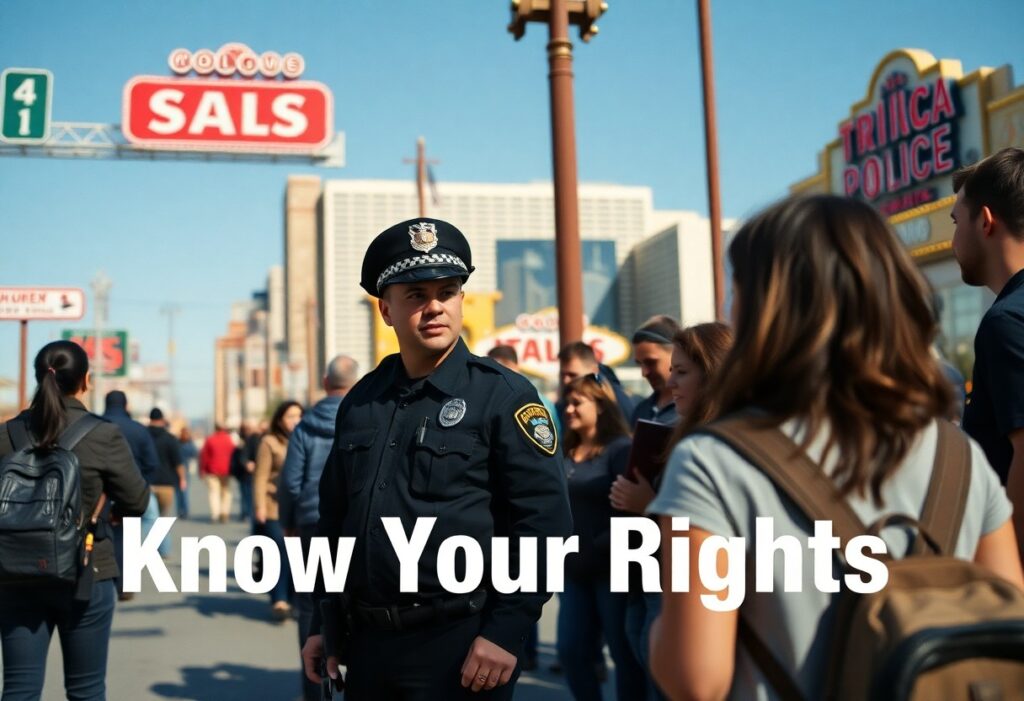
Most people are unaware of their rights when confronted by law enforcement in Las Vegas. Understanding your rights can protect you during police encounters and ensure you are treated fairly. This guide will outline crucial rights you have when questioned by police, including your right to remain silent and your rights regarding searches. Familiarizing yourself with these rights can help you navigate interactions with law enforcement confidently and assertively.
Understanding Your Rights
You have specific rights when questioned by police in Las Vegas that help protect you. Knowing these rights can empower you to navigate encounters with law enforcement confidently. These include your right to remain silent and your right to legal counsel, both fundamental to ensuring fair treatment and safeguarding your interests during police interactions.
Right to Remain Silent
Your right to remain silent means you don’t have to answer questions or provide information to police officers. This right stems from the Fifth Amendment, which protects you from self-incrimination. If you choose to exercise this right, clearly communicate to the officers that you do not wish to speak to them.
Right to Legal Counsel
You have the right to legal counsel during police questioning. This means you can request an attorney before answering any questions or making any statements. It’s important to assert this right clearly, as having legal representation can help protect your interests and provide guidance on how to handle the situation.
When you invoke your right to legal counsel, police are required to stop questioning you until your attorney is present. This is a significant protection, as an attorney can offer you advice on your rights and help ensure you do not inadvertently waive any rights or provide information that could be detrimental to your case. Moreover, having an attorney can change the dynamic of the situation, as they can advocate on your behalf and help ensure fair treatment throughout the process.
Interactions with Police
What to Expect During an Encounter
When interacting with police in Las Vegas, expect a law enforcement officer to approach you with questions about your identity or activities. Officers often assess situations quickly and may be on high alert, especially in busy areas. They may ask for your identification, inquire about your whereabouts, or request that you stay put while they investigate. Your demeanor can impact the situation, so remain calm and composed throughout the encounter.
How to Handle Questioning
During questioning, it is important to stay respectful and assertive about your rights. Politely ask if you are being detained or if you are free to leave. If the answer is unclear, it’s wise to state that you don’t wish to answer any questions without legal counsel present. Avoid making any statements that could be misconstrued or used against you later.
Officers may use various techniques to elicit information during questioning. They might employ tactics such as escalating their tone or simplifying complex questions to confuse you. Instead of engaging, focus on remaining calm and reiterate your desire for a lawyer if the questioning continues. It’s also beneficial to document the encounter afterward, noting details like the officer’s name and badge number, as this information can be vital if you need to address any misconduct later.
Your Rights During Arrest
During an arrest, you retain specific rights designed to protect you from misuse of authority. You must be informed of the reason for your arrest, and the police must have probable cause to detain you. You have the right to remain silent, as anything you say can be used against you in court. Additionally, you can request an attorney to be present, ensuring that your legal interests are safeguarded throughout the process.
Rights While Being Detained
While being detained, you have the right to ask if you are free to leave. If not, you should be informed of the reason for your detention. You also have the right to remain silent and the opportunity to consult with a lawyer if you feel it’s necessary. Be cautious with your interactions, as your words may impact any legal outcomes.
Post-Arrest Rights
Once arrested, your rights extend to your treatment in custody and during legal proceedings. You must be given access to legal counsel and your initial court appearance should occur within 48 hours. Additionally, you have the right to make phone calls, and any statements made should be voluntary and not under duress.
Post-arrest, exercising your rights is vital for a fair legal process. You should be promptly informed of the charges against you and allowed to speak with legal counsel to understand the implications. The law mandates that you can’t be held indefinitely; your timely access to a hearing is both a legal right and a safeguard against unlawful detention. Familiarize yourself with protocols for contacting an attorney, as this can significantly affect your defense options and the overall outcome of your situation.
Filing Complaints Against Police Misconduct
When facing police misconduct, filing a complaint is imperative for accountability. In Las Vegas, you have the right to report any inappropriate behavior or abuse of power. Complaints can address various issues, including excessive force, racial profiling, or unprofessional conduct. Documenting your experience and gathering evidence will strengthen your claim, helping to ensure that your concerns are taken seriously by the authorities.
Steps to Report Misconduct
To report police misconduct, start by gathering all relevant details, such as dates, times, and witnesses’ contact information. You can submit complaints directly to the Las Vegas Metropolitan Police Department, either online or in person. Additionally, your complaints can be submitted to the Nevada Department of Public Safety or through independent organizations that handle police oversight.
Legal Recourse Available
If your complaint does not result in satisfactory action, various legal recourses exist. You can pursue civil lawsuits for damages related to misconduct, alleging violations of your constitutional rights. Depending on the case, this could involve Section 1983 claims against officers for unconstitutional behavior, potentially leading to compensatory or punitive damages.
Filing a lawsuit against police misconduct requires clear evidence of wrongdoing, such as video footage, documents, or witness statements. In many cases, you may also consider seeking assistance from civil rights organizations that can provide guidance and representation. Keep in mind that Nevada has a two-year statute of limitations for most personal injury claims, so timely action is imperative. Engaging with an attorney experienced in civil rights law can enhance your chances of achieving a favorable outcome while addressing systemic issues within the police department.
Special Considerations
When interacting with law enforcement, certain unique circumstances may affect your rights and the manner in which they are handled. Understanding how these situations play out can provide additional clarity during potentially daunting encounters.
Rights of Minors
If you are a minor, your rights during police questioning are often different than those of adults. Law enforcement is required to ensure you have access to a guardian or attorney before any interrogation, which is designed to protect you from exploitation or misunderstanding during these critical moments.
Rights of Individuals with Disabilities
Your rights as an individual with disabilities are protected under the Americans with Disabilities Act (ADA). Police officers are required to provide reasonable accommodations during questioning, ensuring effective communication and access to assistance as needed.
In practice, this means that if you require an interpreter or different forms of communication, the police must seek to accommodate your needs. If you have a mental health condition, it’s necessary to communicate this to law enforcement, as they should consider your circumstances and provide appropriate support during the questioning process. Understanding your rights can aid in navigating the situation more effectively and ensuring your safety and dignity are upheld.
Navigating Cultural and Language Barriers
When interacting with law enforcement, cultural and language differences can complicate communication. It’s important to understand that these barriers might not only affect how you convey your message but also how police perceive and interpret your actions. Familiarizing yourself with common practices in dealing with police can help you navigate these challenges effectively, ensuring your rights are protected while promoting clearer dialogue.
Access to Interpretation Services
If language is a barrier during a police encounter, you are entitled to access interpretation services. Officers should provide language assistance or access to an interpreter to ensure you understand the situation and can respond appropriately. Knowing this right can help you advocate for clear communication and prevent misunderstandings.
Cultural Sensitivity in Policing
Cultural sensitivity plays a vital role in effective policing. Law enforcement officers are trained to recognize and respect diverse backgrounds, aiming to build trust and cooperation with all community members. This training includes an understanding of cultural nuances that may affect interactions, such as body language, belief systems, and societal roles. Officers who employ cultural sensitivity can de-escalate situations and engage more constructively with individuals from varying ethnic and cultural backgrounds, fostering a safer environment for everyone involved.
Conclusion
Hence, understanding your rights when questioned by Las Vegas police is crucial for safeguarding your freedom and ensuring a fair process. You have the right to remain silent and ask for a lawyer, which can greatly influence the outcome of any interaction. By being aware of these rights, you empower yourself to make informed choices during police encounters, thereby protecting your interests and navigating the legal landscape more effectively.