

This guide explains how you should respond to a probation violation, protect your rights, collect evidence, work with a skilled attorney, and present mitigation to minimize penalties.
Understanding the Nature of Probation Violations
Probation violations vary in severity, and you should understand how alleged breaches are classified and handled to work effectively with counsel.
Distinguishing between technical and substantive violations
Technical violations involve noncriminal failures like missed appointments or testing, while substantive violations involve new crimes; you and your attorney must tailor responses accordingly.
Identifying the legal consequences of a reported breach
Consequences of a reported breach can include warnings, added conditions, summons to a revocation hearing, or reimprisonment, so you should promptly consult counsel to assess exposure.
Your attorney will examine the report, challenge weak evidence, subpoena witnesses, and argue mitigating factors at a revocation hearing; you should provide documentation of compliance, treatment, or employment to reduce sanctions or secure alternatives to incarceration.
How to Select a Qualified Defense Attorney
You should choose an attorney with courtroom experience, clear fees, prompt communication, and a strategic plan for probation hearings; ask about their familiarity with local judges, procedures, and typical probation officer responses.
Evaluating legal expertise in local criminal court procedures
Check that your attorney knows local filing rules, hearing calendars, plea practices, and how judges handle probation matters so you can anticipate timing and procedural hurdles.
Assessing the attorney’s track record with probation departments
Review their history securing modifications, supervisory agreements, or dismissal recommendations from probation officers, and ask for examples you can verify.
Examine specific case summaries showing outcomes, the strategies used, and contactable probation officers or supervisors; you should ask how often the attorney obtains reduced conditions or early termination, how they document client compliance, and what evidence they present to shift officer recommendations in your favor.

Critical Factors That Influence Judicial Decisions
Judges weigh several factors that affect how you present mitigation and defenses.
- severity of the alleged violation
- prior compliance record
- mitigating evidence and community ties
The judge balances these factors when ruling on revocation or alternatives.
Analyzing the severity of the alleged violation
Severity of the alleged violation influences the court’s response, so you must show mitigating context, intent, and actual harm to argue for leniency.
Reviewing the defendant’s prior history of compliance
History of compliance affects the level of trust the court places in you, so you should document past adherence to terms and any corrective steps taken.
Documenting your compliance with probation terms-appointments kept, drug tests passed, classes completed-gives your attorney concrete evidence to argue for continued supervision rather than revocation.

How to Build a Strategic Defense with Your Lawyer
Collaborate with your attorney to map defenses, identify legal weaknesses in the allegations, and set clear goals for your hearings or negotiations while tracking deadlines and evidence.
Gathering evidence to refute or mitigate the allegations
Collect police reports, witness statements, cellphone records, and surveillance, then give them to your lawyer so you can refute or mitigate the allegations.
Preparing a persuasive narrative for the court hearing
Craft a concise, truthful narrative with your lawyer that explains context, shows remorse or compliance steps you took, and highlights mitigating facts to persuade the judge toward leniency.
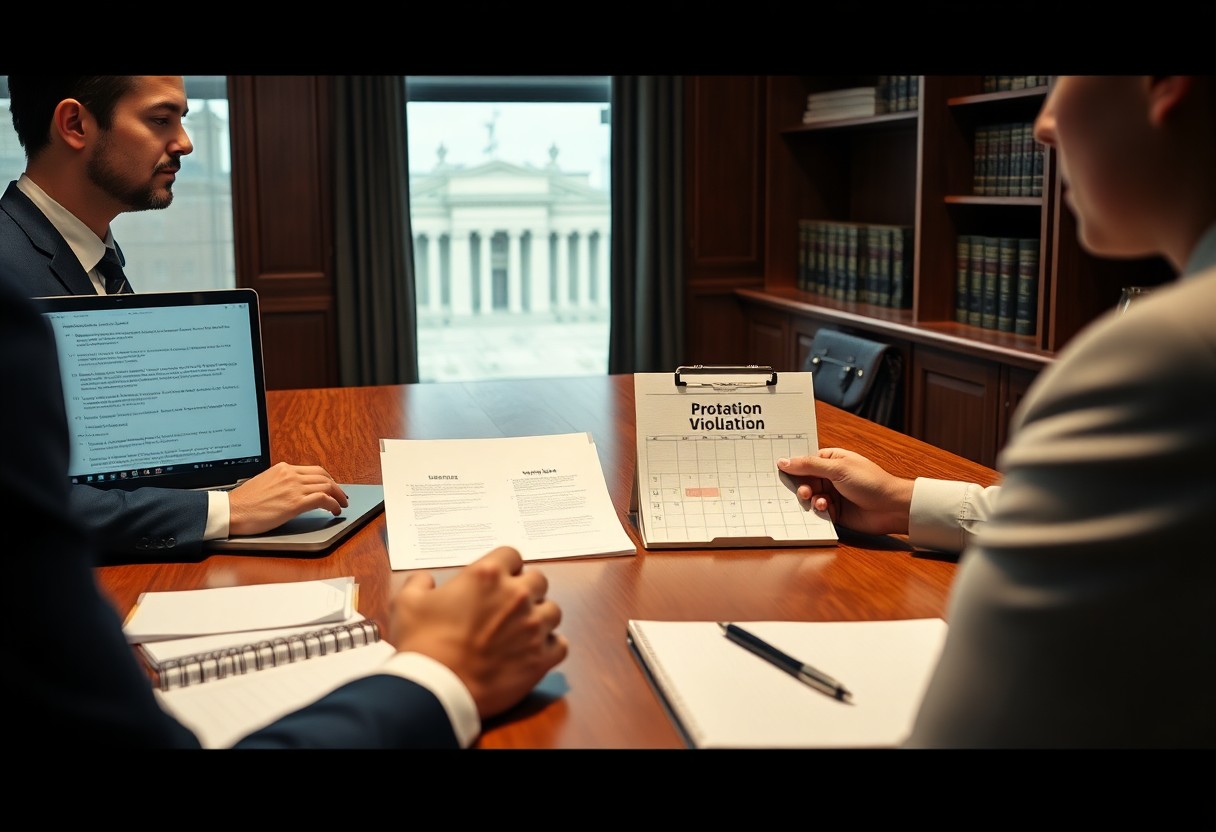
Work with your attorney to tie documents, witness testimony, and timelines to a clear story that reflects your behavior and intentions; this helps the court assess risk and credibility. Use character letters and proof of rehabilitation or compliance you obtained to corroborate your claims. Aim for brevity and honesty so the judge can readily see why reduced sanctions or continued supervision serve justice.
Tips for Managing Communications During the Process
Keep communications concise, factual, and documented; record dates, times, and topics of contacts with officials. This provides a clear record for your attorney and shows consistent cooperation.
- Log calls and meetings
- Limit messages to necessary facts
- Copy your attorney on written contacts
Maintaining professional conduct with your probation officer
Speak calmly to your probation officer, answer questions directly, and avoid volunteering unnecessary details; keep records of meetings and confirmations for your attorney.
Coordinating all legal correspondence through your counsel
Direct all legal notices, calls, and emails to your attorney and refrain from responding without counsel present to protect your rights.
Ensure you forward every summons, violation notice, and request immediately to your attorney so they can review and respond appropriately; avoid signing documents or making agreements without counsel’s advice, and ask your attorney to handle scheduling, written responses, and any disclosures to probation or prosecutors to preserve your legal position.
Navigating the Probation Violation Hearing
When you face a probation violation hearing, your attorney will challenge evidence, present mitigating facts, and argue against revocation while protecting your rights.
Understanding the lower burden of proof in revocation cases
You should know that revocation hearings use a lower standard-preponderance of the evidence-so your attorney focuses on credibility, contesting reports, and disputing unreliable witness accounts.
Negotiating for alternative sentencing and modified terms
Your lawyer can negotiate alternatives like treatment programs, community service, or modified supervision to address violations while keeping you out of jail.
An attorney will compile evidence of compliance, medical or employment records, and expert evaluations, then propose specific alternative sentences-such as intensive probation, substance-abuse treatment, or graduated sanctions-and argue how those options reduce recidivism risk and satisfy public safety concerns, increasing the court’s willingness to accept modified terms that let you stay in the community.
To wrap up
To wrap up, you should promptly contact a skilled attorney who will review the violation, collect evidence, challenge procedural errors, and represent you at hearings to reduce penalties or secure alternative supervision; acting quickly and following counsel’s guidance improves outcomes and protects your rights.