

Most trials leave you relying on your lawyer for clear communication, strategic advocacy, thorough evidence analysis, assertive cross-examination, and regular case updates, ensuring your rights are defended and key decisions are explained.
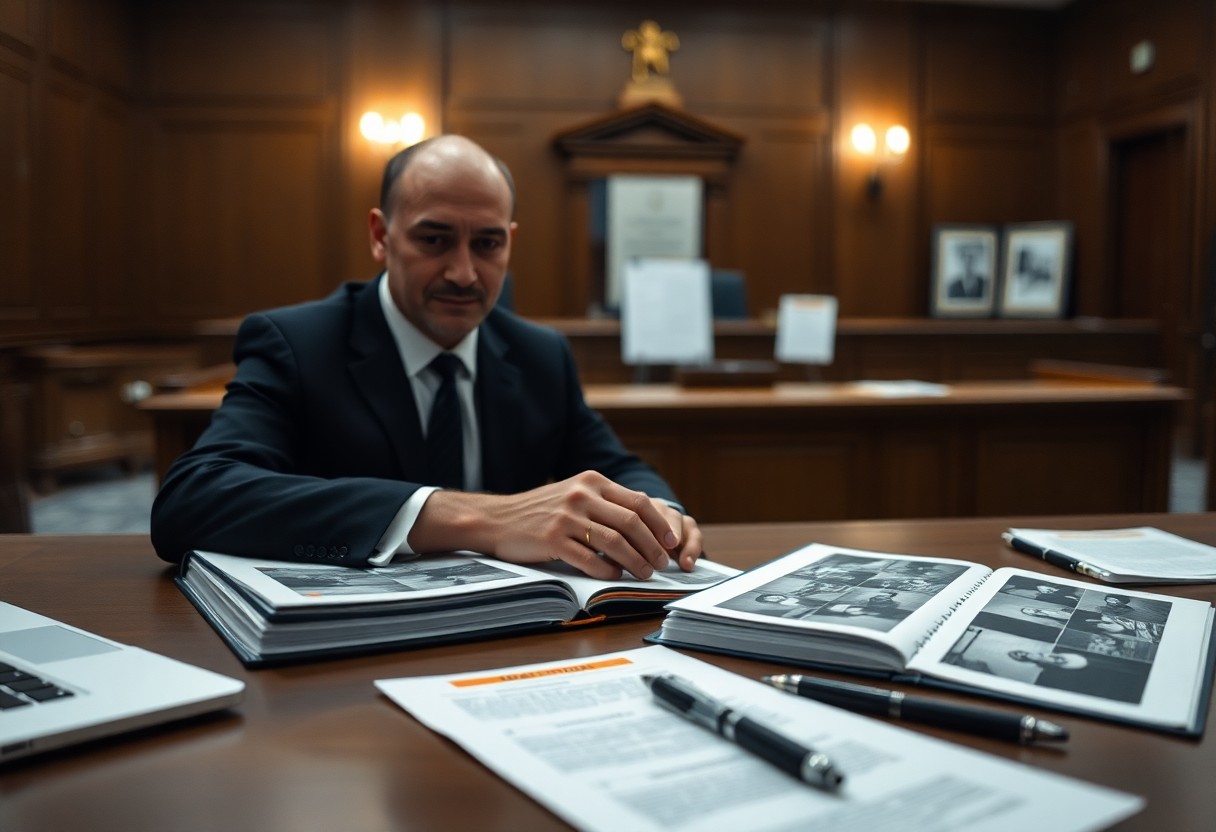
Pre-Trial Preparation and Case Theory
You should expect your lawyer to refine the case theory, file critical motions, prepare witnesses, and shape jury themes so the trial strategy supports acquittal or reduced charges for you.
Comprehensive Review of Discovery and Evidence
Your attorney will scrutinize discovery-police reports, witness statements, forensic and digital data-to spot inconsistencies, suppression issues, and evidentiary gaps that weaken the prosecution’s case against you.
Development of a Strategic Defense Narrative
You’ll receive a focused defense narrative that links evidence and testimony to plausible alternative explanations, emphasizes reasonable doubt, and frames courtroom themes to resonate with jurors evaluating your case.
Defense counsel will tailor that narrative to your circumstances by sequencing events clearly, preparing expert testimony and demonstratives, rehearsing witness examinations, and identifying predictable prosecution lines so you can respond confidently at trial; they will also coordinate jury selection strategy and contingency plans to protect your interests throughout proceedings.
Jury Selection and the Voir Dire Process
Your lawyer guides voir dire, probes jurors’ backgrounds, spots prejudice, and uses strikes to shape a fair panel aligned with your defense strategy.
Identifying Potential Bias and Neutralizing Risks
You need them to detect bias through targeted questioning, then neutralize risks with challenges or crafted voir dire to prevent jurors from skewing verdicts against you.
Establishing a Foundation for the Defense Case
Expect counsel to lay groundwork by preserving evidence, previewing testimony, and filing motions in limine to keep harmful evidence out and strengthen your defense narrative.
Make your lawyer file early motions to exclude prejudicial material, secure and document chain-of-custody, obtain and exchange expert disclosures, and prepare witnesses to meet admissibility standards so you can present exculpatory proof and undermine prosecution theories when evidence and testimony are introduced at trial.
The Opening Statement
During the opening statement, you should expect your lawyer to present a clear roadmap of your defense, outline key evidence, and set expectations for witness testimony while engaging the jury’s attention.
Framing the Key Issues for the Jury
Your lawyer will highlight the central facts and legal questions so you and the jury focus on what matters most from the outset.
Addressing the Prosecution’s Burden of Proof
Expect your attorney to stress that the prosecution must prove guilt beyond a reasonable doubt and to remind the jury that any reasonable uncertainty favors your innocence.
When addressing the burden of proof, your lawyer will translate the legal standard into plain terms, point out gaps in evidence, contrast contradictory witness statements, and use concrete examples to make reasonable doubt tangible so the jury understands why the prosecution’s case may fall short as it applies to you.
Cross-Examination of Prosecution Witnesses
Your lawyer will control cross-examination, probing prosecution witnesses to expose uncertainty, limit damaging testimony, and create reasonable doubt by highlighting contradictions and gaps in their account.
Challenging Credibility and Impeaching Testimony
When you confront a witness, your attorney attacks credibility by revealing bias, prior inconsistent statements, faulty perception, or motive to lie, making jurors question the witness’s reliability.
Identifying Inconsistencies in the State’s Evidence
Careful cross-examination helps you identify timeline errors, contradictions with documents, and witness uncertainty, forcing the prosecution to reconcile conflicting pieces of evidence under oath.
Specific techniques your lawyer will use include comparing transcripts to testimony, introducing prior statements, highlighting physical evidence that contradicts claims, and asking precise dates, times, and locations to expose impossible or evolving versions you can use at closing.
Presentation of the Defense’s Case-in-Chief
Presentation of the defense’s case-in-chief focuses on organized testimony and exhibits that support your theory, with the lawyer controlling the narrative, limiting damaging testimony, and setting up persuasive themes for closing argument.
Direct Examination of Defense Witnesses
During direct examination your lawyer elicits clear, credible testimony, prepares witnesses for pacing and responses, and avoids leading questions while reinforcing the defense story for jurors.
Strategic Use of Expert Testimony and Physical Exhibits
Expert witnesses and tangible exhibits clarify technical points for jurors, bolster your credibility, and counter prosecution claims, with counsel carefully establishing foundation and managing presentation.
You should expect your lawyer to pre-qualify experts at voir dire, elicit clear credentials on direct, and frame opinions in plain language so jurors grasp their impact. Your attorney will authenticate physical exhibits, use demonstratives to simplify technical evidence, and anticipate foundation or admissibility challenges while limiting expert exposure on cross-examination.
Closing Arguments and Final Advocacy
During the closing phase, you should expect your lawyer to present a clear, persuasive narrative tying evidence to legal elements, challenge witness credibility, and address jury instructions while protecting objections.
Synthesizing Evidence into a Compelling Summation
You should expect your lawyer to weave testimony and exhibits into a concise story that highlights inconsistencies, links facts to each element, and anticipates opposing arguments to persuade the jury.
Reinforcing the Standard of Reasonable Doubt
As you listen, your attorney will stress that the prosecution must prove guilt beyond a reasonable doubt, pointing out gaps and alternative explanations to increase juror uncertainty.
When reinforcing reasonable doubt, your lawyer will methodically deconstruct key witnesses, quantify weaknesses in the prosecution’s timeline, present plausible alternative narratives, and remind jurors that any unresolved factual question must favor you before a conviction can follow.
Final Words
Presently you should expect your criminal lawyer to present a clear strategy, challenge prosecution evidence, protect your rights, cross-examine witnesses effectively, file appropriate motions, and communicate candidly about risks and options so you can make informed decisions during trial.