
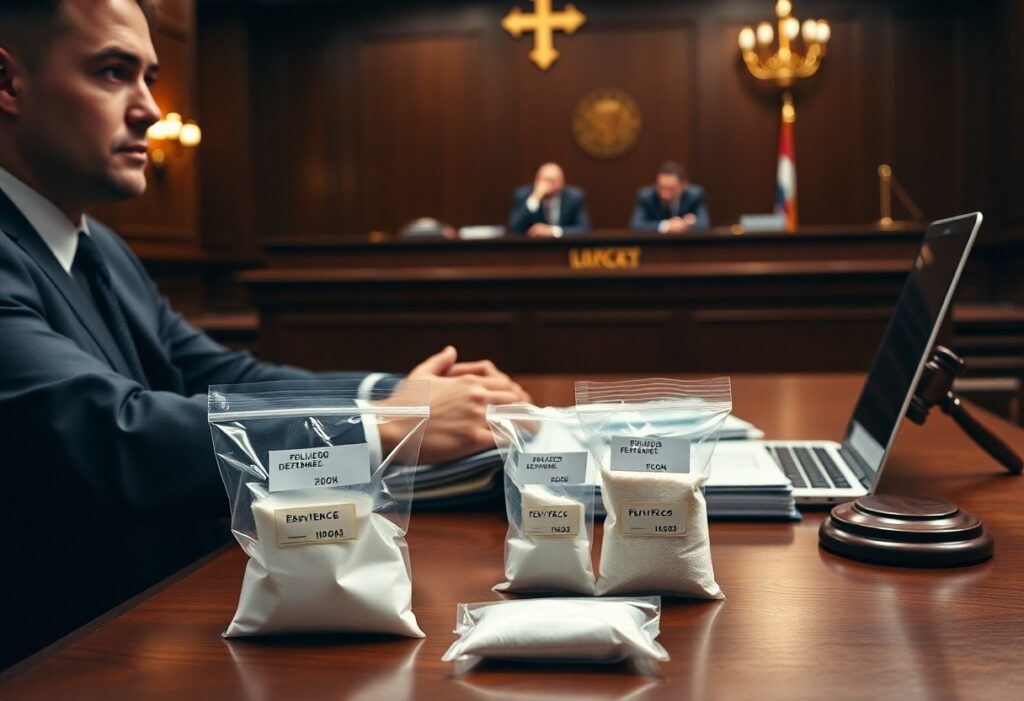

Criminal defense attorneys assess evidence, challenge illegal searches, question witness credibility, and negotiate plea agreements to protect your rights and seek reduced charges or dismissals.
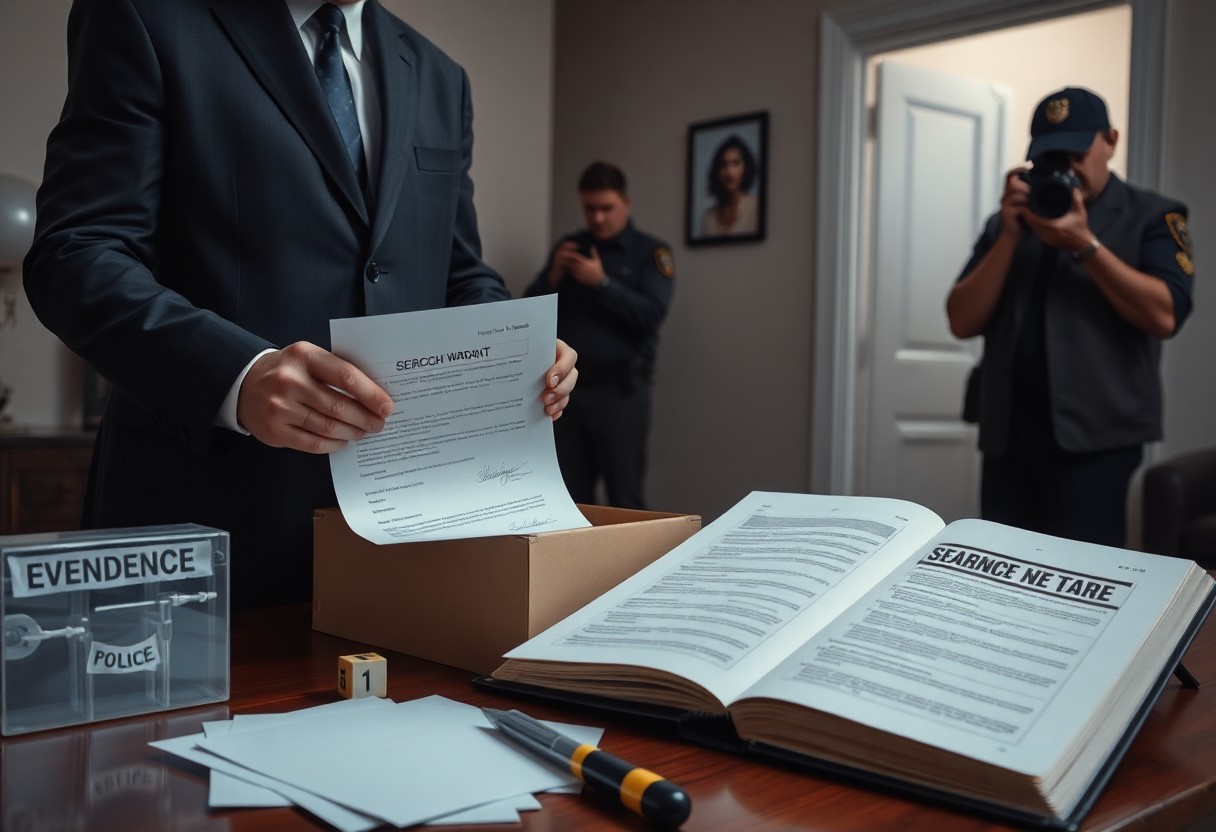
Evaluating the Legality of Search and Seizure
Courts assess whether officers had probable cause, valid consent, or applicable exceptions, and you can move to suppress evidence obtained through unlawful searches, stop-and-frisks, or warrantless entries that violate your Fourth Amendment rights.
Fourth Amendment Protections Against Unlawful Searches
You may challenge searches by arguing absence of a reasonable expectation of privacy, lack of probable cause, or coerced consent, seeking exclusion of tainted evidence under the exclusionary rule and related doctrines.
Challenging the Validity and Execution of Search Warrants
Defense counsel reviews warrant affidavits for inaccurate facts, omissions, or staleness you can attack to show lack of probable cause or overbroad descriptions and obtain suppression of seized items.
Attorneys often file Franks motions to force evidentiary hearings when you suspect false statements or deliberate omissions in the affidavit, depose officers about the affidavit’s basis, contest temporal scope and location specificity, and argue that knock-and-announce failures, improper consent, or execution beyond the warrant’s terms mandate suppression or dismissal.
Challenging the Prosecution’s Physical Evidence
You scrutinize physical evidence by exposing handling flaws, contamination risks, or misidentification that weaken the prosecution’s case, seeking suppression or jury skepticism to create reasonable doubt about substance origin, testing accuracy, or possession linkage.
Questioning the Chain of Custody for Controlled Substances
Errors in chain-of-custody logs give you grounds to challenge evidence admissibility by highlighting missing signatures, unexplained gaps, improper storage, or unauthorized transfers that raise questions about sample integrity and possible tampering.
Independent Laboratory Testing and Forensic Verification
Independent laboratory testing lets you contest field screens and prosecutor reports by retesting split samples, demanding validated methods, and introducing expert analysis to show false positives, misidentification, or analytical errors.
Sending samples to accredited, independent labs allows you to obtain full method reports, chain-of-custody documentation, chromatograms, and raw data; your expert can cross-compare techniques, identify contamination or calibration issues, challenge unfamiliar protocols, and subpoena lab notes or proficiency records to undermine the prosecution’s forensic conclusions.
Disproving Actual and Constructive Possession
You attack possession by showing lack of control, no ownership, inconsistent packaging, or third-party access, creating reasonable doubt about whether the drugs were yours rather than simply present.
Establishing Lack of Knowledge or Intent
Prove you lacked knowledge by highlighting absence of paraphernalia, incriminating communications, or admissions, and present an alibi or lawful explanation to undercut alleged intent and raise reasonable doubt.
Arguing Proximity vs. Control in Multi-Occupant Settings
Distinguish mere proximity from control by showing shared spaces, ambiguous storage locations, and multiple occupants with equal access, so you are not the only plausible possessor.
Gather evidence-visitor logs, surveillance, fingerprint and DNA reports, leases, and witness statements-to show others had equal or greater access and undermine claims you exercised exclusive control.
Scrutinizing Informant and Witness Credibility
You challenge informant reliability by probing prior convictions, payments, plea deals, and inconsistent statements to show motives for fabrication or embellishment.
Exposing Incentives and Bias of Confidential Informants
Your attorney obtains payment records, communications, and plea bargains to expose incentives, demonstrating how deals or expectations biased an informant’s testimony.
Identifying Inconsistencies in Law Enforcement Testimony
Cross-examination forces you to press officers on timelines, search methods, and report discrepancies that reveal gaps or contradictions in police accounts.
Detailed review of body‑cam footage, dispatch logs, and evidence‑handling records lets you pinpoint timing errors, altered entries, or omitted observations. You then use timeline diagrams and expert testimony to show how those inconsistencies create reasonable doubt about police procedures and conclusions.
Asserting Affirmative Defenses and Procedural Errors
You contest unlawful searches, chain-of-custody gaps, and tainted evidence while asserting defenses like duress or entrapment to undermine the prosecution and create reasonable doubt.
Proving Entrapment by Undercover Operations
Entrapment claims focus on government inducement and your lack of predisposition; you show excessive persuasion, repeated requests, or threats to demonstrate the crime was government-created.
Identifying Miranda Rights Violations and Coerced Statements
Miranda warnings must be given before custodial interrogation, so you can suppress coerced or unwarned statements that police obtained in violation of your rights.
Police custodial tactics determine Miranda applicability, so you must show that a reasonable person in your circumstances would not have felt free to leave during questioning. You can challenge the adequacy of warnings, whether any waiver was knowing and voluntary, and whether promises, threats, or prolonged interrogation produced involuntary statements. Successful suppression motions often depend on timeline evidence, officer notes, and testimony about the interrogation environment.
Negotiating Plea Bargains and Sentencing Alternatives
Lawyers assess the evidence, negotiate reduced charges, and secure alternatives like probation or treatment to limit penalties for you.
Eligibility for Diversion Programs and Drug Courts
Eligibility often depends on offense severity, prior record, and willingness to undergo treatment, so you may qualify for diversion or drug court alternatives.
Mitigating Factors to Reduce Charges or Penalties
Mitigating circumstances like cooperation with police, first-time offender status, addiction treatment, or flawed searches can help your attorney argue for reduced charges or lighter sentences.
- Police conduct and evidence strength are scrutinized to spot defenses your lawyer can raise.
- Witness credibility and procedural errors often create bargaining leverage you can use.
- Thou may obtain plea concessions when the prosecution faces significant doubts.
Evidence of cooperation, prompt admission, or participation in treatment can persuade prosecutors and judges to reduce charges or recommend alternatives for you.
- Documented treatment, counseling records, and rehabilitation plans bolster the mitigation your lawyer presents.
- Character references and stable employment details help demonstrate your low reoffending risk to the court.
- Thou should disclose relevant facts fully so your attorney can maximize mitigation opportunities.
Final Words
Taking this into account, you should expect a criminal lawyer to scrutinize arrests and evidence, move to suppress unlawful searches, challenge lab reports, craft defense strategies, negotiate plea agreements, and argue for reduced sentences or acquittal based on procedural flaws and factual disputes.