
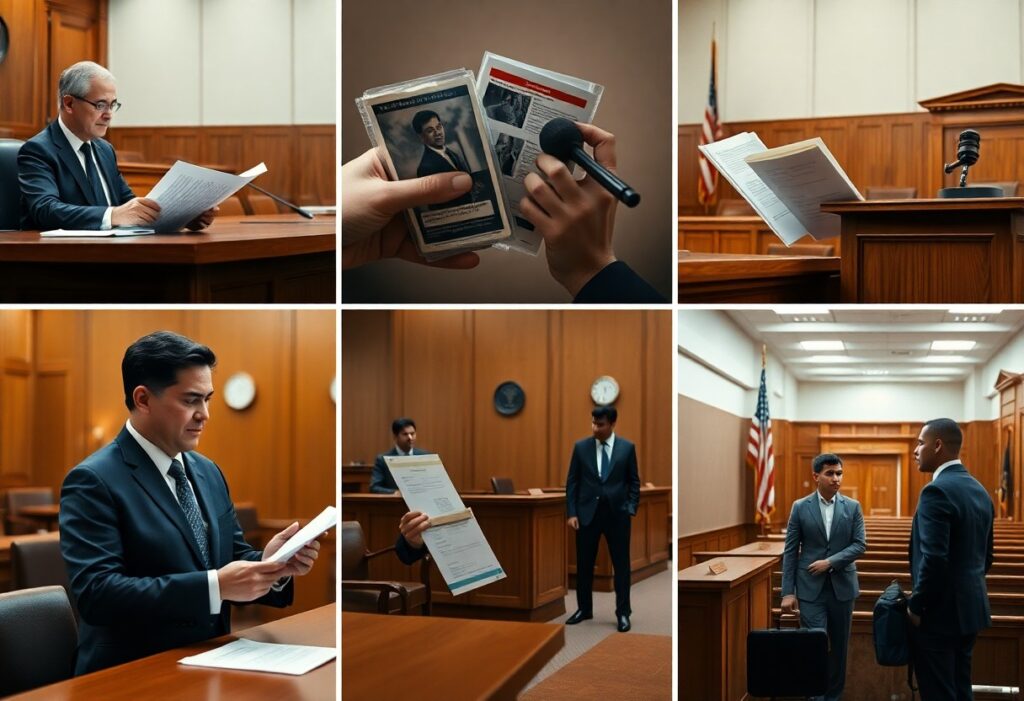
Many defendants trust a dedicated criminal lawyer who follows six critical steps in court defense, so you receive meticulous case analysis, targeted evidence scrutiny, strategic witness handling, persuasive argumentation, sentencing mitigation, and post-trial review.
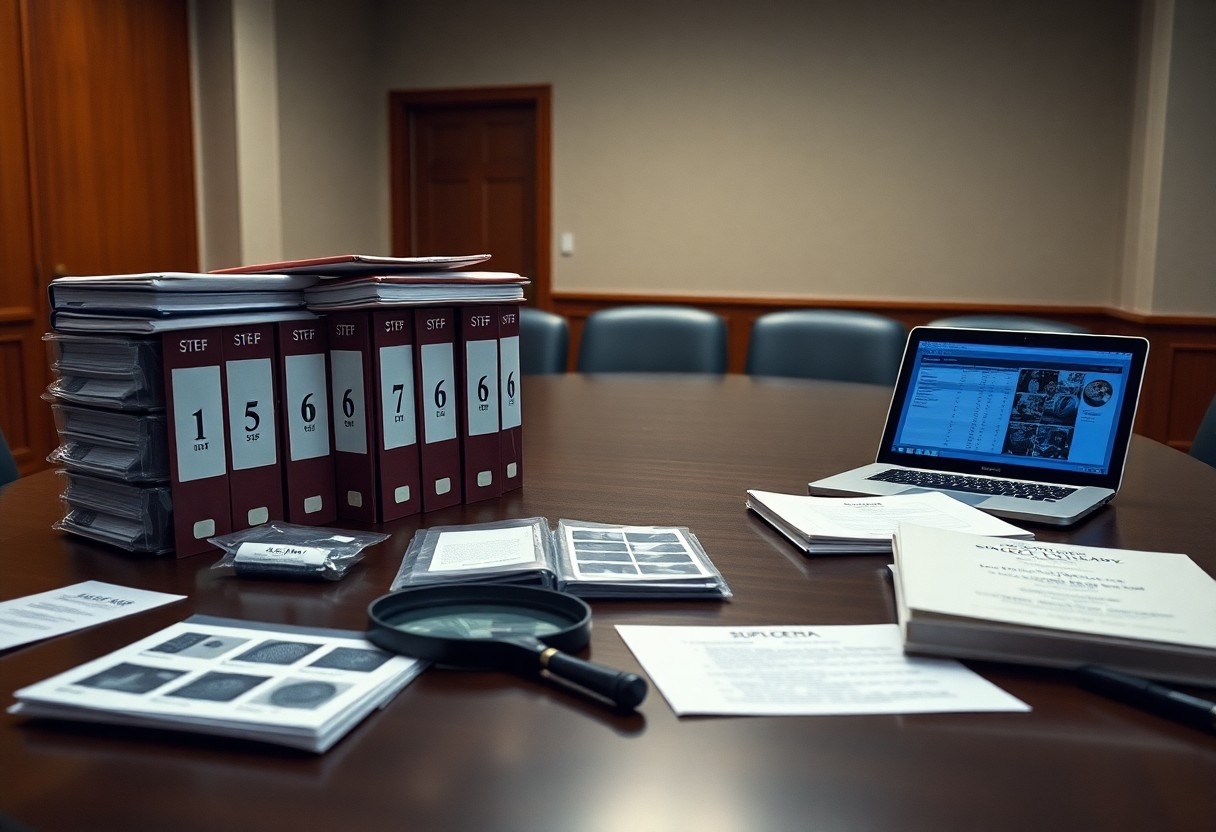
Comprehensive Case Analysis and Discovery Review
You review disclosure, witness statements, forensic reports, and digital data to map strengths and weaknesses, flag inconsistencies, and set investigation priorities for trial strategy.
Scrutinizing the Prosecution’s Evidence
Examine the prosecution’s chain-of-custody, witness credibility, and forensic methods to expose gaps that undercut the case against you.
Identifying Procedural Errors and Rights Violations
Challenge arrest, search, and interrogation procedures to locate Fourth Amendment breaches or Miranda failures that can suppress evidence or weaken charges against you.
Document every procedural irregularity, obtain police reports, body-cam footage, and witness statements, then file targeted motions to suppress or dismiss tainted evidence and protect your constitutional rights.
Strategic Pre-Trial Motion Practice
Pre-trial motion practice shapes the case before trial, and you rely on timely, targeted filings to exclude evidence, limit testimony, and press procedural advantages that tighten the prosecution’s options.
Filing Motions to Suppress Inadmissible Evidence
Motions to suppress attack evidence obtained in violation of your rights, allowing you to seek exclusion of illegal searches, coerced statements, or improperly seized items before they ever reach the jury.
Seeking Dismissal Through Legal Technicalities
Procedural defects can produce dismissal when you expose statute-of-limitations lapses, jurisdictional errors, defective indictments, or prejudicial delays that deprive you of a fair defense.
Careful scrutiny of arrest reports, charging documents, and prosecutorial disclosures lets you identify technical grounds for dismissal: missed filing deadlines, lack of subject-matter jurisdiction, improper venue, or constitutional defects; presenting these arguments forcefully in written motions or at pretrial hearings can end the case or secure major negotiating advantage.

Rigorous Jury Selection and Voir Dire
You guide voir dire with targeted questions that reveal biases and assumptions, shaping a jury more likely to fairly assess evidence and testimony in your client’s case.
Identifying and Striking Biased Jurors
Probe jurors about prior experiences, media exposure, and fixed moral views so you can spot attitudes incompatible with impartiality and use challenges to remove those most likely to decide outside the facts.
Establishing the Defense Theme Early
Outline a concise, believable defense theme during voir dire so you prompt jurors to interpret testimony through a consistent, sympathetic frame that supports reasonable doubt.
Craft that theme around verifiable facts and witness credibility, repeating short, memorable phrases and tying voir dire answers to opening statements and questioning so jurors carry the narrative through deliberations and weigh doubt in your client’s favor.

Delivering a Persuasive Opening Statement
You set the tone by presenting a concise story, previewing key evidence, and establishing credibility so jurors understand what facts will support reasonable doubt.
Framing the Narrative of Innocence
Your narrative emphasizes context and motive, presenting facts in a sequence that makes innocence the simplest explanation for jurors.
Highlighting the Prosecution’s Burden of Proof
Insist that jurors understand the prosecution must prove every element beyond a reasonable doubt, framing any gaps as reasons to acquit.
Stress to jurors that proof beyond a reasonable doubt requires convincing evidence on every charged element; point out inconsistencies, gaps, and unreliable testimony. Show how circumstantial links fall short, present alternative explanations, and ask jurors to apply the presumption of innocence when doubt persists.
Tactical Cross-Examination of Prosecution Witnesses
Tactical questioning forces witnesses to commit to specifics, so you pin down contradictions and limit rehearsed narratives through precise, controlled queries that expose gaps.
Exposing Inconsistencies and Ulterior Motives
Scrutinizing testimony exposes contradictions and motives, allowing you to highlight changing accounts, incentives, or biases that erode the prosecution’s claims.
Undermining the Credibility of Expert Testimony
Questioning expert methods and assumptions lets you reveal flawed techniques, overreaching conclusions, or undisclosed conflicts that undercut their authority.
Probe the expert’s credentials, data sources, error rates, and peer acceptance; you should press for validation studies, alternative explanations, and any financial or procedural conflicts, then use opposing experts or simple hypotheticals to demonstrate uncertainty and reduce the weight of their opinion.
Crafting a Compelling Closing Argument
You should crystallize key themes, humanize your client, and connect evidentiary gaps to reasonable doubt using concise storytelling and clear legal standards to leave jurors with a single, persuasive narrative that favors acquittal.
Synthesizing Evidence to Establish Reasonable Doubt
Evidence should be organized so you highlight inconsistencies, chain-of-custody flaws, and witness credibility gaps, enabling jurors to perceive multiple plausible narratives that erode the prosecution’s certainty.
Reaffirming the Constitutional Presumption of Innocence
Presumption of innocence guides your closing: remind jurors that the burden rests on the state, require proof beyond a reasonable doubt, and show how gaps favor acquittal rather than speculation.
Emphasize constitutional principles by instructing jurors that every element must be proved beyond a reasonable doubt; you should point to prosecutorial failures, challenge witness reliability, and argue that unresolved inferences favor your client, turning legal safeguards into clear reasons for acquittal.
Conclusion
Taking this into account you should expect your lawyer to investigate evidence, craft a defense strategy, file motions, cross-examine witnesses, negotiate when needed, and present persuasive arguments to protect your rights and aim for the best outcome.