

You face complex procedures, tight deadlines, and forensic evidence in DUI or DWI cases, so an experienced criminal lawyer protects your rights, challenges tests, negotiates lesser charges, and seeks to minimize penalties and license loss.

Navigating Complex DUI and DWI Statutes
Statutes vary widely between states, and you need a lawyer to interpret how charges, procedures, and defenses apply to your case within local code and precedents.
Understanding State-Specific Penalties and Mandatory Minimums
Penalties differ drastically by state, so you must consult counsel to assess mandatory minimums, license consequences, and potential collateral effects before plea decisions.
Distinguishing Legal Nuances Between Impairment Categories
Testing outcomes and witness accounts classify impairment types, and you should have counsel parse breath, blood, and drug evidence against statutory thresholds.
Your attorney will dissect differences between per se BAC offenses, impairment-based charges, and drug-related accusations, showing how measurement methods, timing, and metabolites change your risk. Counsel can contest field tests, lab procedures, or medical factors that mimic impairment and obtain toxicology experts to rebut causation. This focused approach helps you tailor defenses to the specific impairment classification.
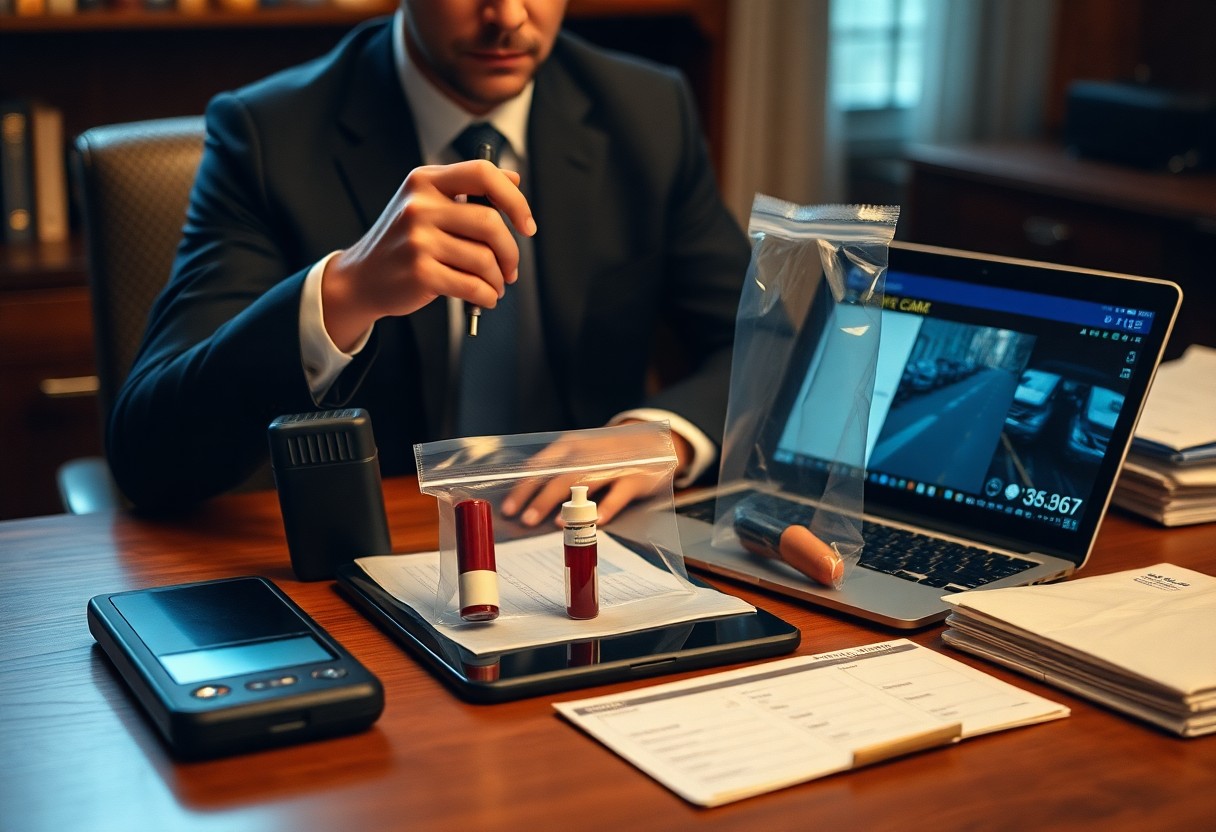
Challenging Technical and Forensic Evidence
Technical and forensic evidence often hides procedural and calibration errors you can expose to cast doubt on results and press for dismissal or reduced penalties.
Scrutinizing Breathalyzer Calibration and Maintenance Logs
Breathalyzer calibration and maintenance logs frequently contain gaps or improper servicing you can use to challenge the machine’s reliability and the admissibility of readings.
Evaluating the Validity of Field Sobriety Test Results
Field sobriety tests rely on officer training, environmental conditions, and subjective scoring, so you can argue the outcomes were biased or scientifically unsupported.
You should scrutinize video footage, officer narratives, and the subject’s medical and environmental conditions to show how uneven surfaces, poor lighting, or health issues impaired performance; then cross-examine training records and adherence to standardized procedures to demonstrate that scores were subjective and unreliable.

Protecting Constitutional Rights and Procedural Integrity
Your attorney challenges unlawful stops, searches, and seizures that could render evidence inadmissible, preserving defenses that may lead to reduced charges or dismissal.
Identifying Illegal Stops and Probable Cause Violations
Police often assert reasonable suspicion; you rely on counsel to expose gaps, challenge probable-cause claims, and move to suppress evidence gathered after an illegal detention.
Ensuring Proper Handling of Chemical Test Refusals
Refusal of a breath or blood test triggers administrative penalties, so you need counsel to contest suspensions and dispute testing procedures.
When you refuse chemical testing, your lawyer inspects whether officers provided proper implied-consent warnings, whether refusal recordings follow protocol, and whether medical or procedural exceptions apply; counsel can contest administrative suspensions, attack chain-of-custody flaws, and negotiate to limit criminal exposure and license penalties.
Strategic Plea Negotiations and Sentence Mitigation
Your attorney uses plea bargaining to reduce charges or penalties, highlighting mitigating circumstances, challenging evidence, and pushing for alternatives to incarceration like probation or treatment.
Pursuing Reduced Charges and Alternative Sentencing
You may secure reduced charges or alternative sentences through negotiated pleas, targeting misdemeanor outcomes, probation, or community service to limit collateral consequences.
Navigating Diversion Programs and Ignition Interlock Requirements
When diversion or interlock options apply, your lawyer explains eligibility, negotiates terms, and monitors compliance to prevent harsher penalties or convictions.
If you enter a diversion program, your lawyer evaluates eligibility, compiles treatment and attendance documentation, and advocates at hearings to defer or dismiss charges upon completion. For ignition interlock, counsel arranges installation, handles calibration disputes, negotiates shorter device periods when compliance is documented, and coordinates with DMV or probation officers to reduce long-term impact on your driving record.
Managing Administrative and License Suspension Hearings
When your license is threatened, you need prompt legal representation to contest suspension notices, present evidence at hearings, and minimize restriction periods.
Representing Client Interests in DMV Regulatory Proceedings
You expect your attorney to compile records, challenge breath or blood test procedures, and argue procedural defects to reduce the administrative impact on your driving privileges.
Preserving Driving Privileges Through Timely Appeals
Appeals filed quickly can halt automatic suspensions and give you the breathing room to assemble defenses that protect your ability to drive.
If you miss strict appeal deadlines, the state can enforce long suspensions regardless of the criminal outcome; your lawyer files timely paperwork, requests stays, and pursues administrative remedies so you retain driving access while contesting charges in court.
Trial Advocacy and Expert Witness Coordination
During trial advocacy, you rely on a lawyer to control courtroom strategy, challenge evidence, and coordinate expert testimony that disputes breath and blood accuracy while highlighting procedural errors.
Presenting a Robust Defense Before a Judge or Jury
You need a lawyer who frames alternative explanations, dissects scientific claims, and cross-examines prosecution witnesses to create reasonable doubt before judge or jury.
Utilizing Medical and Forensic Experts to Refute Prosecution Claims
Expert testimony can expose testing flaws, clarify medical causes of impairment, and provide you with credible scientific rebuttals to prosecution assertions.
When preparing expert support, your attorney consults toxicologists, forensic chemists, and medical specialists to audit sample handling, testing protocols, and instrument maintenance records. That review challenges breathalyzer calibration, chain-of-custody gaps, or flawed retrograde extrapolations, and identifies medical conditions or medications that mimic impairment. Your lawyer also manages independent testing, crafts clear expert reports, prepares persuasive direct and cross-examination strategies, and files admissibility motions to exclude unreliable evidence.
Summing up
Ultimately you need a criminal lawyer because they know DUI/DWI law, can challenge breath and blood test results, handle court and administrative hearings, negotiate reduced charges or penalties, and protect your driving privileges and criminal record.