

There’s a range of proven strategies you can use to reduce bail costs, including prompt attorney motions, evidence-based bond reduction requests, and presenting strong community ties to persuade judges to lower or waive bonds.
Primary Factors Determining Bail Amounts
Factors you should expect judges to weigh include:
- offense nature
- criminal history
- flight risk
- community ties
Thou can lower bail by addressing each factor with clear evidence.
Assessing the Nature and Gravity of the Offense
Severity shapes bail: you will face higher amounts for violent or ongoing offenses, and lower when harm is minimal or charges are nonviolent.
Evaluating Criminal History and Flight Risk
History matters: you get higher bail if you have felonies, prior failures to appear, or active warrants; strong ties reduce perceived flight risk.
Documentation strengthens your argument: gather certified dispositions, letters from employers and community members, proof of stable housing and treatment records, and propose conditions like electronic monitoring or supervised release to show you are unlikely to flee and will comply with court orders.
How to Prepare for a Bond Reduction Hearing
Prepare your hearing file early with copies of the complaint, prior dispositions, character letters, employment records, and bail receipts. You should highlight key facts for your lawyer and bring witness contact information and originals for court.
Compiling Evidence of Strong Community Ties
Gather letters from employers, neighbors, clergy, and volunteer supervisors that describe your role, reliability, and length of involvement. You should also include proof of stable residence, school enrollment, and family responsibilities to demonstrate community ties at the hearing.
Organizing Financial Records to Demonstrate Hardship
Collect recent pay stubs, bank statements, tax returns, and utility bills that display income and obligations. You should prepare a one-page summary of monthly income versus expenses, document dependents, and include any eviction notices or debt judgments showing financial strain.
Organize your records chronologically and label each document so the judge and clerk can review quickly. Provide a simple spreadsheet summarizing income, fixed expenses, debts, and dependents, and attach originals for any claims. Attach pay stubs, benefit letters, eviction or collection notices, and a short explanation for irregular deposits; include sworn affidavits when possible and propose a reasonable alternative release plan that limits financial ruin.
Legal Strategies for Reducing Bail Costs
Lawyers will file targeted motions, present community ties and mitigation evidence, and propose supervised or conditional release so you can lower bail obligations and reduce immediate financial burden.
Challenging Excessive Bail Under Constitutional Law
If bail appears excessive you can argue Eighth Amendment violations, submit comparative bail data, and highlight low flight risk and community roots to seek a meaningful reduction.
Proposing Non-Monetary Release Conditions
When cash bail is unaffordable you can request supervised release, electronic monitoring, curfews, or third-party custody to satisfy the court while avoiding large bond fees.
You should document steady employment, stable housing, treatment plans, and propose a reliable third-party custodian and supervision terms that demonstrate reduced risk and justify lowering or eliminating cash bail.
Tips for Working with a Bail Bond Agency
Working closely with a bail bond agent can cut your costs: compare fees, confirm terms, and ask about alternatives.
- Sliding-scale premiums
- Payment plans
- Co-signer options
After you compare offers, insist on written terms and refund policies.
Negotiating Premium Rates and Payment Schedules
Ask the agent for reduced premiums by showing steady income, local ties, or a low flight risk; propose a realistic payment schedule and get those terms in writing so you avoid surprises.
Leveraging Collateral to Minimize Upfront Cash Requirements
Offering property or valuables as collateral can reduce your upfront cash; you should provide ownership records and appraisals, sign clear agreements, and confirm how you reclaim assets after bond closes.
Document every item you offer: photograph valuables, obtain professional appraisals, and record serial numbers and titles. Order a lien search for real property, secure written receipts detailing return conditions, and confirm insurance coverage. Know that if you default, the agent may seize collateral, so plan repayment paths or arrange substitute guarantors before signing any bond agreement.
How to File an Effective Motion for Bond Reduction
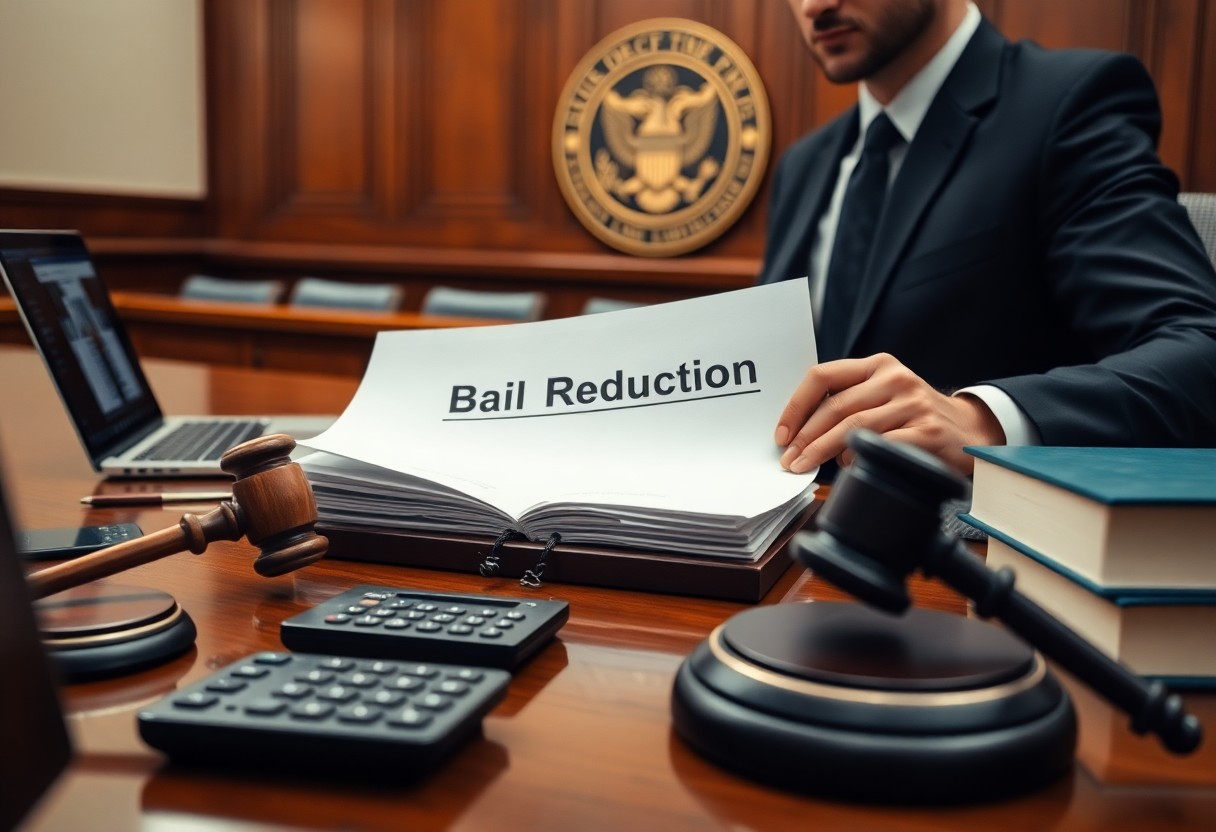
File a concise motion that cites legal standards, attaches affidavits and records, and proposes a specific reduced bond to show you present a concrete, lawful alternative to pretrial detention.
Procedural Requirements for Legal Filings
Meet local court rules on formatting, filing deadlines, service, and proof of service while you include a proposed order and clearly labeled exhibits to avoid procedural rejection.
Presenting Mitigating Factors to the Court
Show community ties, employment, lack of violent history, and treatment plans so you demonstrate reduced risk and present alternatives to high bail amounts in support of your motion.
- Affidavits from the defendant and family that describe stability and daily routine.
- Employment records, lease agreements, and school enrollment to verify roots.
- Perceiving treatment compliance, attach intake forms and progress reports from providers.
Document concrete steps you will take if released-curfews, electronic monitoring, scheduled treatment, and surrender of travel documents-and supply verifiable evidence such as paid bills, employer statements, and dated program intake forms so you directly counter flight and safety concerns.
- Character letters from employers, clergy, or long-term neighbors that attest to responsibility.
- Proof of enrollment or attendance in counseling, medication programs, or community supervision.
- Perceiving these supports, judges are likelier to order a reduced bond with conditions.
Proactive Tips to Avoid Bail Revocation
You must attend every hearing, comply with all conditions, and stay in regular contact with your attorney to reduce revocation risk. This checklist-timely appearances, sobriety, and honest reporting-keeps judges confident in your compliance.
- Attend every scheduled hearing
- Report promptly to your supervising officer
- Obtain written approvals before travel
Maintaining Compliance with Court-Ordered Supervision
Follow reporting and counseling schedules, obey curfews, and be honest with your supervising officer so you lower revocation risk and keep options open for bond modification if needed.
Managing Travel Restrictions and Employment Obligations
Respect travel limits, seek written permission before trips, and coordinate work hours with your attorney and employer so you avoid inadvertent violations and protect your bail status.
Plan any trip well in advance: submit written requests to the court or officer, provide a detailed itinerary, secure an employer letter confirming work obligations or remote arrangements, and carry approval documents while traveling so you can prove compliance quickly if questioned.
To wrap up
So you can reduce bail costs by acting quickly: hire an experienced bail hearing and bond reduction lawyer, gather mitigating evidence, present a clear release plan, and file prompt bond-reduction motions to convince the judge to lower your bond.