

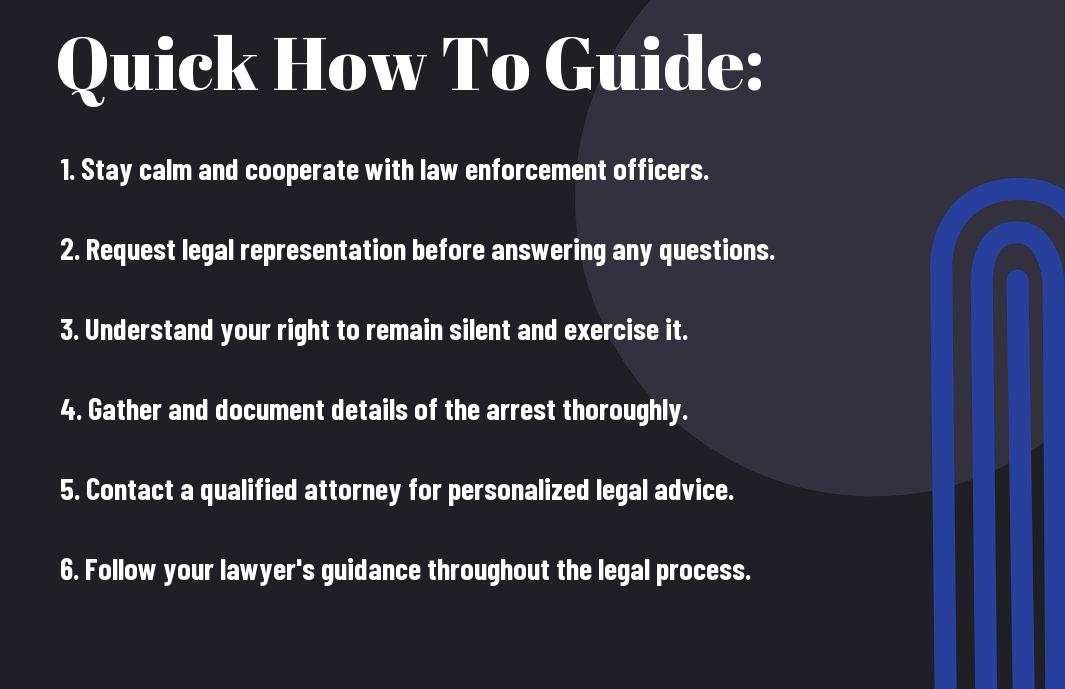
Many individuals find themselves overwhelmed and anxious after an arrest, often unsure of their rights and the steps they should take to protect themselves. Understanding the legal landscape is vital for safeguarding your interests during this challenging time. This guide will empower you with vital information on what to do immediately following an arrest, the rights you possess, and how to ensure you are treated fairly throughout the legal process. By staying informed and prepared, you can effectively navigate the complexities of the justice system.
Understanding Your Rights During Arrest
While facing an arrest, it’s necessary to know your rights to ensure you are treated fairly. Law enforcement officers are required to inform you of your rights, which can help prevent violations during the process. Being aware of these rights empowers you to respond appropriately and protect yourself from potential abuses. Understanding what protections are in place can make a significant difference in how your case unfolds.
Miranda Rights Explained
Clearly, your Miranda rights play a fundamental role in protecting you during an arrest. These rights include your entitlement to remain silent and to have an attorney present during questioning. If you are not informed of these rights, any statements you make may be inadmissible in court, making it necessary for you to assert these rights when confronted by law enforcement.
When Officers Can and Cannot Search
Assuming you are stopped or arrested, it’s vital to understand when police officers have the authority to search you or your belongings. Generally, officers can search you if they have probable cause, consent, or a warrant. Without these conditions, any search can be deemed unlawful, which may result in evidence being excluded from your case.
During an encounter with law enforcement, they may want to search you or your property for potential evidence of a crime. If they have probable cause—meaning they have a reasonable belief that you are involved in a crime—they can perform a search without a warrant. However, if you do not give consent, and they lack a valid warrant or probable cause, their search may violate your rights. Being aware of these specifics allows you to better advocate for yourself and seek legal recourse if needed.

Immediate Steps After an Arrest
Now that you have been arrested, it’s important to remain calm and focus on the immediate steps you should take. Your actions during this time can significantly impact your case. It is crucial to assert your rights, remain composed, and gather information that may be beneficial for your legal defense.
What to Say and What Not to Say
An effective communication strategy post-arrest can protect your rights. You should politely invoke your right to remain silent and request an attorney without elaborating on the details of the incident. Avoid admitting guilt or providing any statements that may be used against you in court.
Documentation Tips for Later Legal Defense
An accurate record of events related to your arrest can prove invaluable. Consider documenting the following information immediately:
- The time and date of the arrest
- Names and badge numbers of arresting officers
- Witnesses present during your arrest
- Any statements you made or overheard during the incident
Knowing how to compile this information may aid your attorney in building a strong defense.
What you document should offer a clear and concise account of the circumstances surrounding your arrest. You may also want to note your physical and emotional condition at the time, and any interactions with law enforcement. Additionally, taking photos of the arrest location could be beneficial, and having a trusted person available to assist you can provide the support you need during this challenging time.
- Maintain a timeline of events leading up to your arrest
- Keep any paperwork received from law enforcement
- Consider recording your recollections as soon as possible
- Stay organized in gathering evidence that supports your version of events
Knowing this documentation may be key to formulating a solid defense strategy later on.

Securing Legal Representation
Your next step after an arrest is to secure legal representation to protect your rights effectively. An experienced attorney will guide you through the complexities of the legal system and advocate on your behalf, giving you the best chance for a favorable outcome. Finding the right legal support can make a significant difference in the handling of your case.
How to Choose the Right Attorney
Securing the right attorney involves considering their area of specialization and experience with cases similar to yours. Assess their track record in dealing with arrests, and ensure they are familiar with local laws and procedures. Personal rapport is also necessary, as you’ll need to be open and honest about your situation.
Questions to Ask Before Hiring
Legal representation should be thoughtfully considered, and asking pertinent questions can streamline your decision. Inquire about the attorney’s previous case outcomes, fee structure, and their communication style. Understanding their approach will help you gauge if they align with your needs and expectations.
Hiring the right attorney is a key aspect of your defense strategy. Be clear about your needs and preferences during your inquiries. Ask about their experience with similar cases, their negotiation skills, and their willingness to go to trial if necessary. Understanding how they plan to tackle your case will give you confidence in their ability to safeguard your rights.
Navigating the Bail Process
Despite the overwhelming emotions that accompany an arrest, understanding the bail process is vital for securing your release. Navigating this process can impact your ability to focus on your defense and prepare for upcoming legal battles. Each state has different regulations and procedures that you will need to familiarize yourself with in order to protect your rights and interests.
How Bail Amounts Are Determined
You may wonder how judges arrive at specific bail amounts. Factors such as the severity of the charges, your criminal history, and the likelihood of you fleeing before your court date all contribute to the determination of your bail. Additionally, local guidelines and the discretion of the judge play significant roles in this process.
Exploring Alternatives to Cash Bail
Now that you understand how bail amounts are set, it’s important to know that alternatives to cash bail exist. If securing a cash bail is unattainable for you, options like release on recognizance (ROR), where you promise to appear at your court hearings without posting bail, or bail bonds through a third party, can provide viable solutions.
Exploring these alternatives can significantly impact your situation. For instance, a bail bond allows you to post a percentage of the total bail amount to a licensed bondsman who will cover the rest. This option can alleviate the financial burden of paying full bail upfront. Some jurisdictions also offer pretrial services and programs that can help assess your eligibility for diversion from traditional bail requirements. Understanding your options can empower you to make informed choices that suit your circumstances.
Preparing for Court Appearances
After an arrest, preparing for your court appearance is vital in safeguarding your rights and ensuring a favorable outcome. Familiarizing yourself with court procedures and expectations will help alleviate anxiety and enable you to present yourself confidently. Be punctual, dress appropriately, and thoroughly communicate with your legal representation to navigate the process effectively.
What to Expect at Arraignment
To prepare for your arraignment, it’s important to understand that this initial court appearance is where you’ll be formally charged and asked to enter a plea. You may encounter the judge, prosecutor, and your defense attorney. This setting allows you to receive information about your case and discuss bail options.
Courtroom Etiquette Factors
On the day of your court appearance, maintaining proper courtroom etiquette is vital for making a positive impression. Adhere to the following guidelines to ensure respectful conduct:
- Dress in business attire to show respect for the court.
- Arrive early to find your way and settle in before proceedings begin.
- Address the judge and court personnel with respect, using proper titles.
- Remain silent and attentive while others speak; avoid interrupting.
Assume that your behavior in court can influence how the judge or jury perceives you, so act with decorum at all times.
The courtroom environment can be intimidating, but adhering to proper etiquette will help you navigate it confidently. Here’s a more in-depth look at additional vital considerations:
- Keep your mobile phone off to avoid distractions.
- Only bring necessary documents to limit clutter.
- Stay composed and avoid any visible frustration or aggression.
Assume that demonstrating respect for the legal process plays a significant role in reinforcing your commitment to the situation at hand.

Building Your Defense Strategy
All individuals facing an arrest should take the time to build a comprehensive defense strategy tailored to their unique circumstances. This process allows you to understand the charges against you thoroughly and explore potential defenses. Engaging with legal counsel early on can help you identify key areas of focus, assess the strengths and weaknesses of your case, and devise a plan that maximizes your chances of a favorable outcome.
Evidence Collection Best Practices
For your defense to be effective, gathering evidence is necessary. Start by compiling any relevant documents, photographs, or recordings that pertain to the case. Additionally, note the details of the event, including date, time, and location, as well as contact information for witnesses. This careful collection will serve to strengthen your narrative and can significantly influence the legal proceedings.
Character Witness Considerations
Now that you understand the importance of a strong defense, consider who might serve as character witnesses to support your case. Ideally, these individuals should be respected members of your community who can vouch for your integrity and reliability. When choosing character witnesses, think about their relationship to you and their credibility within the context of your situation.
Practices in selecting character witnesses should include ensuring that these individuals have firsthand knowledge of your character and behavior. Brief them on the specifics of your case and what is required during their testimony. It can also be beneficial to prepare your witnesses by discussing potential questions they may face and helping them articulate your positive traits effectively. Strong character witnesses can provide meaningful context to your defense and help paint a picture of who you are beyond the allegations you face.
Final Words
Upon reflecting on the complexities of navigating the legal landscape following an arrest, it becomes evident that understanding your rights is important for your protection. You should familiarize yourself with the legal processes involved and consider seeking professional legal assistance to navigate potential challenges effectively. Prioritizing your rights and being proactive in your defense can significantly impact the outcome of your situation. By staying informed and assertive, you empower yourself to make decisions that safeguard your future and uphold your dignity throughout the legal proceedings.