
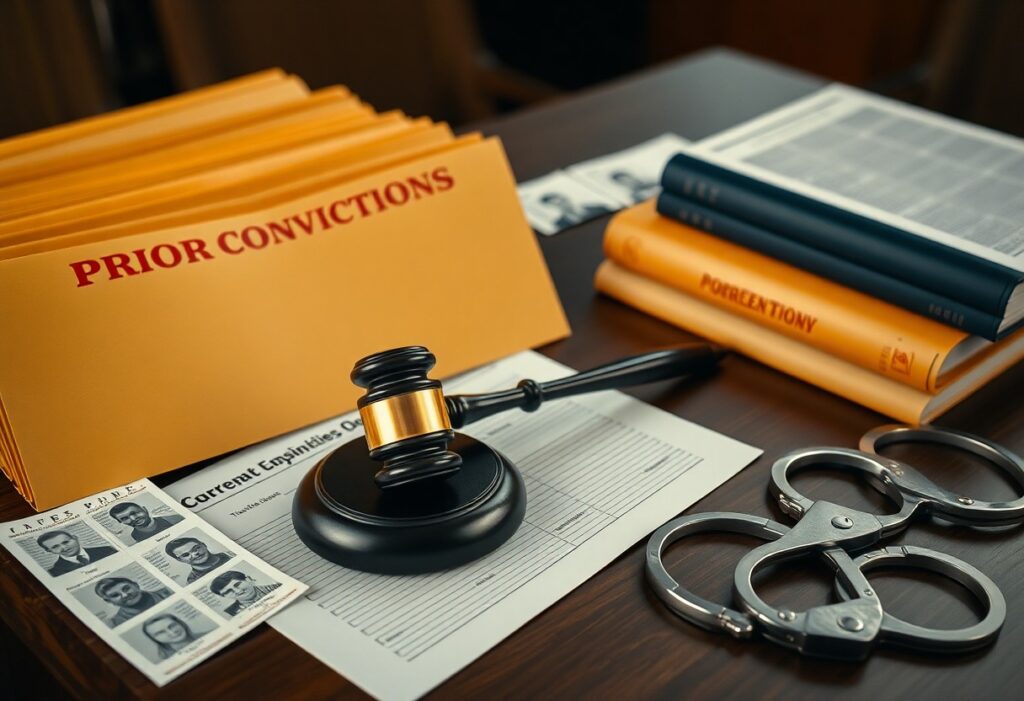
Most people don’t realize how much past convictions can shape the outcome of a current case. Your criminal history may influence sentencing, bail decisions, and even plea negotiations. Prosecutors and judges consider prior offenses when assessing your credibility and risk. Knowing how this history impacts your case helps you make informed legal choices.
The Arithmetic of the Infinite Sentence
You may face sentencing enhancements that multiply the weight of prior convictions, turning what seems like a minor charge into a life-altering outcome. Each past conviction adds a numerical value courts use to calculate penalties, sometimes triggering mandatory minimums or habitual offender statutes. Your history isn’t just reviewed-it’s quantified, and the math can work against you fast.
The Ritual of Impeached Truth
You stand in court knowing your past can reshape how your words are heard. If you have prior convictions, prosecutors may use them to challenge your credibility, especially if the offenses involved dishonesty or false statements. Your truth becomes subject to doubt, not because of what you say now, but because of what you did then. This ritual isn’t about guilt in the current case-it’s about perception, and how the law treats your voice when your history is stained.
The Iron Law of Recidivism
You face tougher scrutiny when past convictions appear in your current case. Judges and prosecutors often view repeat offenses as a pattern, not an isolated mistake. Your history can shift how your actions are interpreted, leading to harsher charges or reduced leniency. The system tends to assume a higher risk of reoffending, which directly impacts sentencing outcomes.
The Pattern of Previous Transgressions
Your past actions often shape how the court views your current situation. A history of similar offenses can lead judges and juries to see your behavior as part of a repeated pattern rather than an isolated mistake. Prosecutors may use prior convictions to argue intent, credibility, or likelihood of reoffending. This perception can influence sentencing, bail decisions, and even plea negotiations. You’re not being judged solely on the present charge-your record travels with you.
The Shadowed Halls of Plea Bargaining
Your prior convictions quietly shape the tone of every plea discussion. Prosecutors often use past records to push for harsher terms, believing repeat offenses signal a pattern. You may find offers less generous than someone without a record would receive. This doesn’t mean you should accept the first deal-strategic negotiation still matters. Your attorney can challenge assumptions about your history and seek fairer outcomes.
Conclusion
Considering all points, your prior convictions can directly influence sentencing, credibility, and legal strategy in your current case. Courts often view past behavior as indicative of character, which may affect outcomes. You face higher stakes when a record is present, and prosecutors may use it to seek harsher penalties. Your defense must address this openly and strategically.