
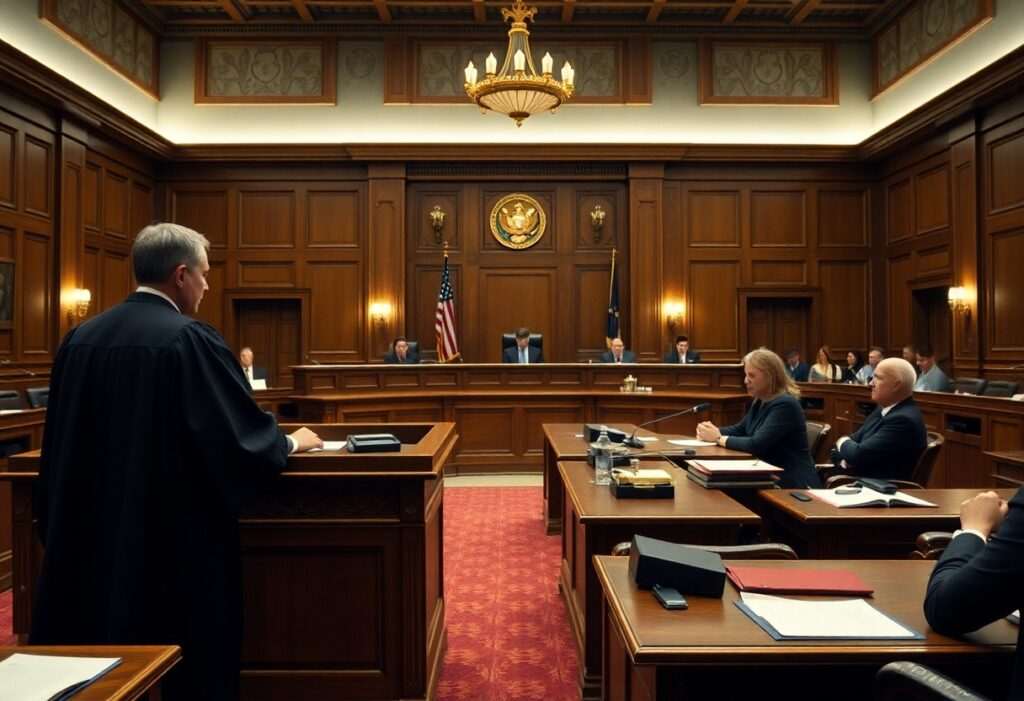
Many individuals find themselves navigating the Nevada criminal process, which encompasses a series of defined stages from arrest to potential trial. Understanding this process can significantly impact your experience and outcomes. You will learn about each phase, including the initial charges, arraignment, plea options, and the trial procedures. By familiarizing yourself with these components, you can better prepare and protect your rights throughout the legal proceedings.
Criminal Offenses in Nevada
Felonies
In Nevada, felonies are the most serious criminal offenses, typically punishable by imprisonment for over one year, significant fines, or both. Crimes such as murder, sexual assault, and robbery fall under this category. Conviction often leads to a permanent criminal record, impacting employment, housing, and other aspects of life. You may also face federal charges if the act violates both state and federal laws.
Misdemeanors
Misdemeanors in Nevada are less severe than felonies, generally resulting in sentences of up to six months in jail and/or fines. Common misdemeanors include petty theft, public intoxication, and minor drug offenses. While they carry lighter penalties, they still hold the potential to disrupt your life.
Classification of misdemeanors in Nevada includes gross misdemeanors, which can result in up to one year in jail and steeper fines. A typical example is driving under the influence (DUI) without aggravating factors. Even though they seem less severe, being convicted of a misdemeanor can still lead to repercussions that affect your legal history and future opportunities, making it imperative to approach these charges with caution and seek legal advice.
Arrest Procedures
Understanding the arrest procedures in Nevada is imperative for navigating the criminal justice system. When law enforcement believes they have probable cause regarding your involvement in a crime, they can initiate an arrest, which typically involves physically detaining you and informing you of the charges. The process can vary depending on the circumstances, including whether the arrest occurs in public or private spaces and whether a warrant is required.
Lawful Arrest
A lawful arrest in Nevada occurs when a police officer has probable cause or a valid warrant. This means they must have adequate reason to believe that you committed a crime. For arrests without a warrant, specific criteria must be met, such as witnessing a crime or having clear evidence against you. If an arrest does not adhere to these legal standards, it may be considered unlawful, potentially leading to dismissed charges.
Rights of the Accused
As someone accused of a crime in Nevada, you possess certain rights that protect you during the arrest process and subsequent legal proceedings. These rights include the right to remain silent, the right to an attorney, and the right to be informed of the charges against you. Knowing and asserting these rights can significantly impact the outcome of your case.
Your rights during an arrest are pivotal for ensuring fair treatment under the law. For instance, the right to remain silent prevents you from self-incrimination, while the right to an attorney guarantees you legal representation. If you cannot afford an attorney, the state must provide one for you. Additionally, you should be informed as soon as possible about your rights, including the reason for your arrest. Infringement upon these rights can lead to legal challenges against the arrest and potential dismissal of evidence.
Charging Process
The charging process in Nevada involves the formal initiation of criminal proceedings against an individual accused of an offense. This step is vital, as it outlines the specific charges the accused will face, guiding not just the defense but also the entire judicial process moving forward. The prosecutor, having completed an investigation, will decide whether to proceed with formal charges based on the evidence available. Your understanding of this process can help you navigate your rights as a defendant.
Role of the District Attorney
The District Attorney (DA) plays a pivotal role in the charging process in Nevada. You can expect the DA to assess evidence, determine whether charges should be filed, and decide the appropriate level of charges based on severity and circumstances. This prosecutor also has the authority to negotiate plea deals, which can significantly impact the outcome of your case.
Indictments vs. Complaints
In Nevada, the distinction between indictments and complaints is vital when facing criminal charges. An indictment is typically used for felonies and arises from a grand jury’s determination of probable cause, while a complaint is usually generated by law enforcement or a prosecutor for less serious charges, including misdemeanors. Your specific situation will dictate which method is employed against you.
Indictments are more formal and provide a layer of protection for defendants, as the grand jury’s involvement serves as a check against unfounded charges. In contrast, complaints are often quicker to file but may lack the rigorous evaluation present in an indictment. If you’re charged through a complaint, the process can proceed more rapidly, potentially affecting your defense strategy. Understanding these differences can significantly impact your approach to the legal system and the type of defense you may need to mount.
Pre-Trial Motions
Pre-trial motions are critical for shaping the trial proceedings and often determine the admissibility of evidence, the appropriate venue, and other key aspects of your case. You and your attorney can file various motions to challenge the prosecution’s case before the trial begins, influencing the overall strategy and potential outcomes. Examples of these motions include suppression of evidence and change of venue, which can significantly impact your defense.
Suppression of Evidence
If you believe that evidence was obtained unlawfully during your arrest or search, you may file a motion to suppress that evidence. This motion argues that the evidence should be excluded from your trial due to violations of your constitutional rights, such as unlawful searches or coerced confessions. Successfully suppressing key evidence can weaken the prosecution’s case, potentially leading to reduced charges or dismissal.
Change of Venue
A change of venue motion requests that your trial be moved to a different location. This may be necessary if you believe pretrial publicity or community bias could compromise your right to a fair trial. By providing evidence of such influence, you can argue for a venue that offers a more impartial jury, which can help ensure a more equitable judicial process.
When pursuing a change of venue, it’s imperative to demonstrate that local media coverage or community sentiment has created a prejudicial environment that could impact jurors’ perceptions. For instance, if your case has garnered significant media attention that might influence local jurors, presenting affidavits or surveys illustrating the community’s biases can strengthen your argument. Courts typically weigh factors like the intensity of media coverage, its impact on public opinion, and the availability of an impartial jury in other locales when considering such requests.
Trial Process
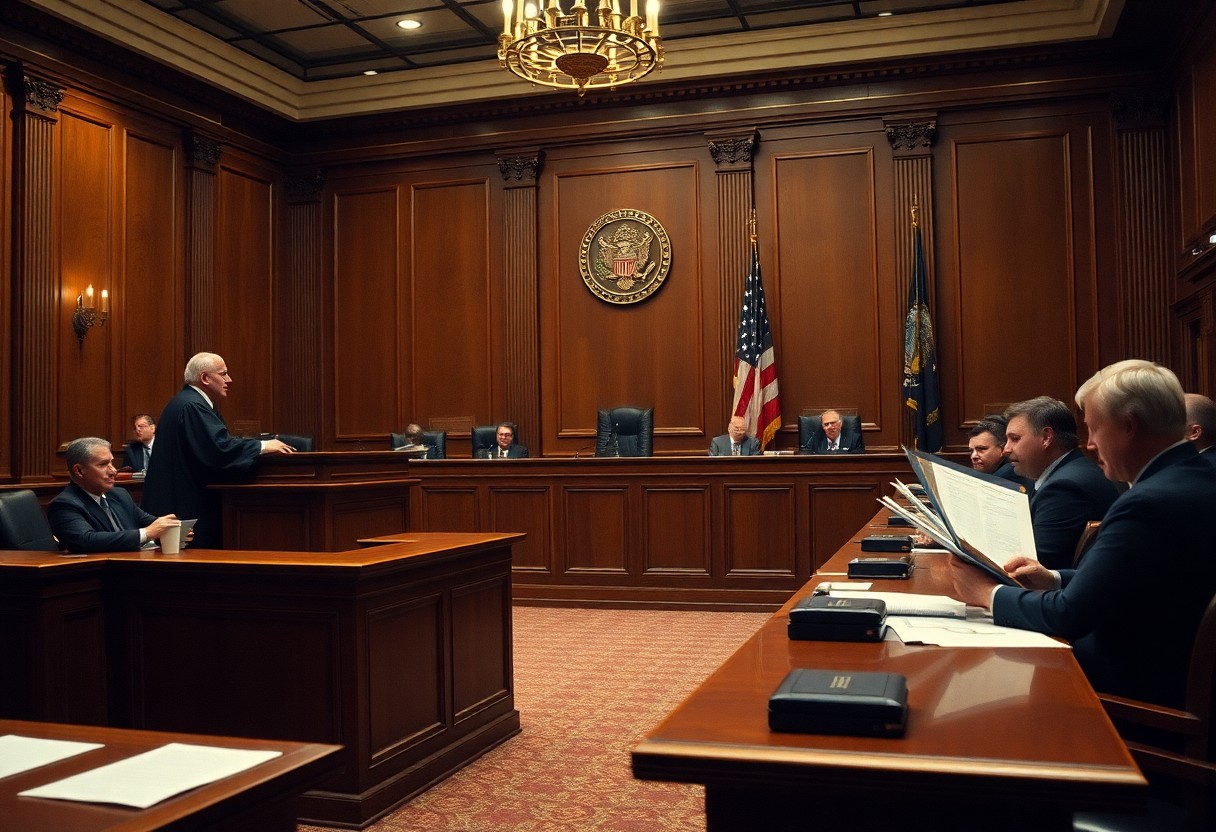
The trial process in Nevada is a critical phase where the verdict on criminal charges is determined. It is comprised of several stages, including jury selection, the presentation of evidence, and ultimately, the jury’s decision. Each step is important in ensuring a fair trial, where both the prosecution and defense present their case to a jury or a judge.
Jury Selection
During jury selection, you will witness a process known as voir dire, where potential jurors are questioned by both the prosecution and defense. This stage is vital, as it helps ensure that an impartial jury is established. Attorneys assess jurors’ backgrounds and biases to select individuals who will fairly evaluate the evidence presented during the trial.
Presentation of Evidence
The presentation of evidence involves both sides showcasing their arguments through testimony, physical evidence, and expert witnesses. You will see the prosecution attempt to prove guilt beyond a reasonable doubt, while the defense seeks to undermine the prosecution’s case and establish reasonable doubt.
The evidence presentation is a structured process; the prosecution goes first to lay out its case, introducing evidence such as documents, videos, and witness testimonies to support their argument. After the prosecution rests, the defense presents its evidence and witnesses, aiming to counter the allegations. Each side can cross-examine witnesses to challenge the credibility of the presented information. This phase is critical because the strength of the evidence presented heavily influences the jury’s final determination.
Sentencing and Punishment
Your experience with the sentencing process in Nevada depends on the nature of the crime and the specific circumstances surrounding your case. Sentences may vary from fines and probation to substantial prison terms. The judge considers various factors, including the severity of the offense, any prior criminal history, and mitigating or aggravating circumstances when determining the appropriate punishment.
Sentencing Guidelines
In Nevada, sentencing guidelines provide a framework for judges to determine appropriate punishments based on the type of offense committed. These guidelines categorize offenses into different tiers, indicating minimum and maximum penalties. For example, a Category A felony could carry a sentence of 25 years to life, while a Category C felony might entail probation or 1 to 5 years in prison.
Alternative Sentencing Options
Alternative sentencing options in Nevada allow judges to explore non-traditional forms of punishment that may better serve rehabilitation. These might include programs like drug court, mental health treatment, community service, or home detention, designed to address underlying issues while keeping you out of prison.
Alternative sentencing can significantly impact your future, especially for non-violent offenders. Courts often favor these options as they aim to prevent recidivism and help individuals reintegrate into society. Participating in programs may include stringent evaluations and regular check-ins with probation officers, yet they offer a pathway to rehabilitation, reducing the likelihood of repeat offenses. Successfully completing an alternative sentencing program can also demonstrate to the court your commitment to change, potentially leading to lesser penalties in future cases.
Summing up
Upon reflecting, you should understand that the Nevada criminal process involves a series of stages designed to uphold justice while protecting your rights. From the initial arrest to arraignment, trial, and potential appeal, each step is vital to ensure a fair legal process. Familiarizing yourself with these stages enhances your ability to navigate the complexities of the legal system. Your awareness of the procedures and potential outcomes can significantly affect your case, making it necessary to engage with legal counsel whenever necessary.