
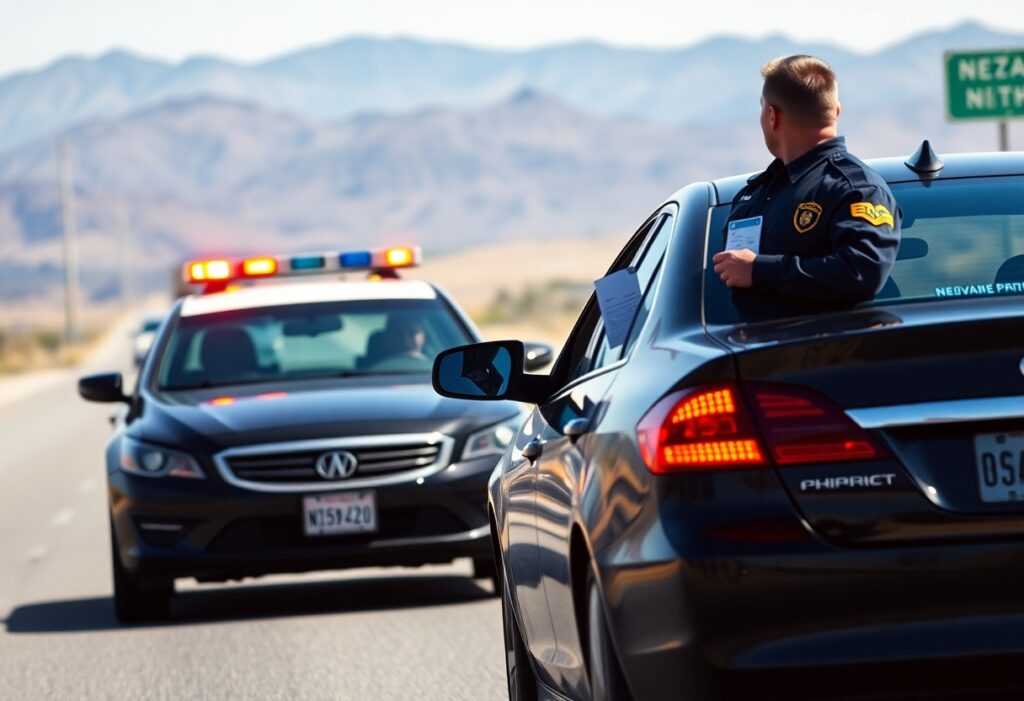
Traffic stops can happen at any time, and knowing your rights protects you during interactions with law enforcement. In Nevada, you have specific legal protections regarding what officers can ask, what you must provide, and how you can respond. This guide outlines exactly what you’re entitled to during a traffic stop-so you can stay informed and composed.
The Nevada Roadside Ritual
What to Expect When Pulled Over
You’ll notice flashing lights behind you-pull over calmly and safely to the right. Turn down the music, keep your hands visible, and wait for the officer to approach. Nevada law allows officers to ask for your license, registration, and proof of insurance. Answer questions clearly, but know you’re not required to consent to a vehicle search without a warrant or probable cause.
The Right to Remain Silent
You are not required to answer questions beyond providing your license, registration, and proof of insurance. Anything you say can be used against you in court. If you choose, you can calmly state, “I prefer not to answer questions.” Staying silent is within your rights and does not imply guilt.
Search and Seizure Protections
You have the right to refuse a search of your vehicle unless the officer has a warrant, probable cause, or you give consent. Police cannot legally search your car simply because you were pulled over. If they claim they feel a weapon is present during a pat-down, that may justify a limited search for safety. Always remain calm and clearly state you do not consent to a search.
Identification Statutes in the Silver State
You must provide identification when requested by an officer during a lawful traffic stop in Nevada if you are driving. Nevada operates under “stop and identify” laws, meaning law enforcement can ask for your name, address, and date of birth if they have reasonable suspicion. Failing to comply may lead to extended detention or legal consequences.
Documentation and Recording
You have the right to present your driver’s license, registration, and proof of insurance when asked during a traffic stop in Nevada. You’re also allowed to record the interaction with your phone, as long as it doesn’t interfere with the officer’s duties. Law enforcement cannot seize your device without a warrant, and you’re under no obligation to stop filming if you’re not obstructing the process.
The Exit Command
You may wonder why an officer asks you to step out of your vehicle during a traffic stop. In Nevada, law enforcement has the legal right to order you out of the car for safety reasons, even if you haven’t done anything wrong. This applies whether you’re driving or a passenger. Compliance is required, but the request must be reasonable and not used as a pretext for an unlawful search.
Conclusion
Now you know your rights during a traffic stop in Nevada. You have the right to remain silent, to refuse a search without a warrant, and to record the interaction. You must provide your license, registration, and proof of insurance when asked. Stay calm, be respectful, and know that you are protected under the law.